
Creating a Divider with Greenery
When we acquired the front tiny house, we knew we needed to modify our porch to suit our updated living situation. The porch, which is 8’ wide and nestled between the two craftsman cottages, was formerly outfitted with an outdoor couch and a folding dining set. We loved it, but we found ourselves using the pieces less and less.

"BEFORE" - The porch between the cottages shortly after we moved in.

"AFTER" - The porch between the cottages. We had it set up this way for years in order to accommodate dinner guests or host happy hours.

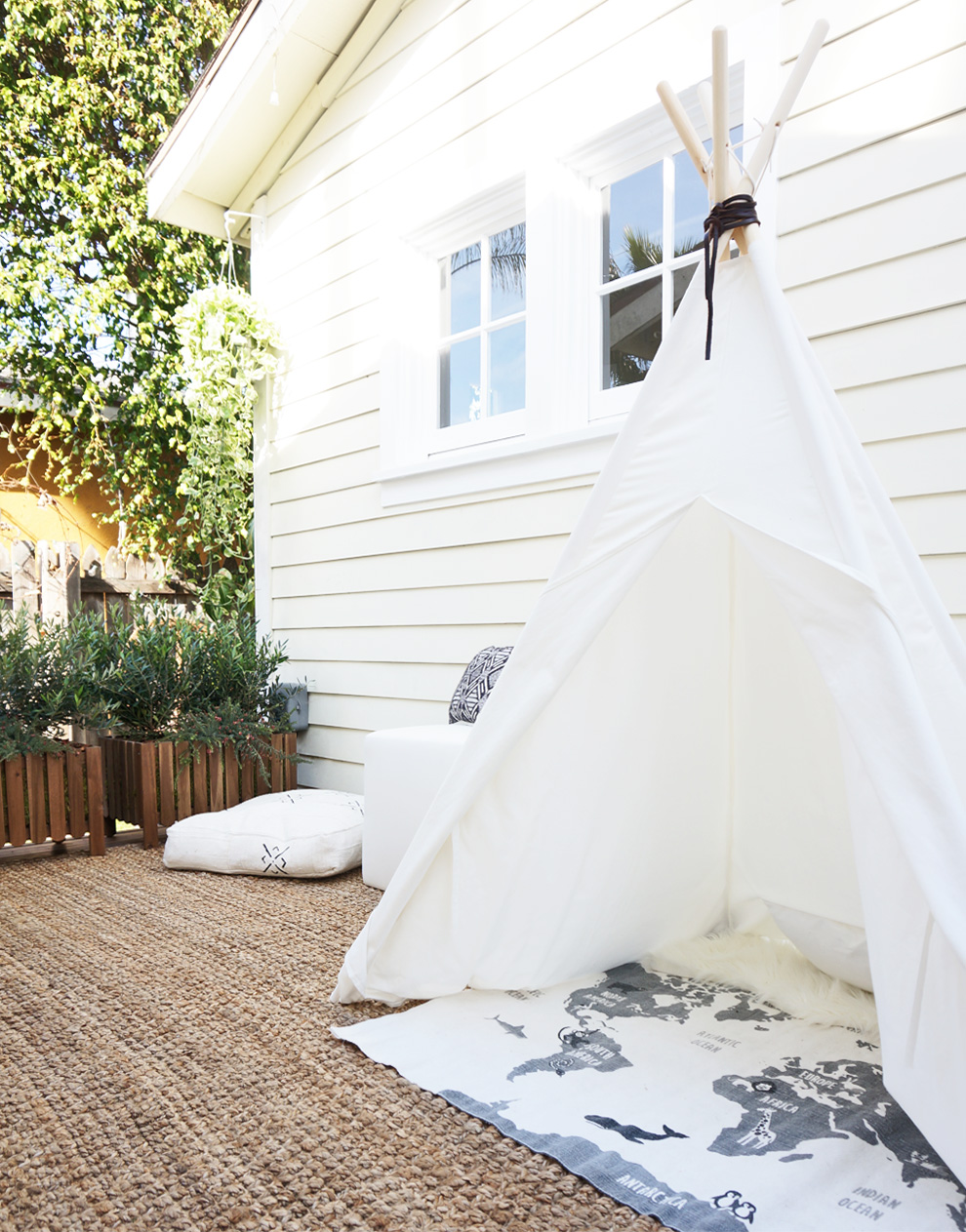
"AFTER" ... again! The porch updated for West and his friends, as well as all the parents.
We host guests for meals very infrequently these days, whereas we spend more and more time here with West in lieu of sending him to daycare. Additionally, a fair number of our friends had children around the same year we had West, so our social gatherings now involve bringing several children (about 5-8 toddlers per event) together at once. So Adam and I decided that it was time to turn the couch into dual-purpose storage / lounge seating, collapse the dining table, and convert the resulting square footage into a play space.
A full blog post on the transformation is coming soon, but I wanted to tune in to one particular obstacle with which we needed to deal during the conversion. How would we keep the end of the porch (which drops about 1’ down to the stone garden pavers below) safe for the newly-toddling kiddos?
We borrowed a plastic baby gate from a friend to test out, but it was too flimsy for West. We then tried a temporary, metal garden gate. Unfortunately it was pretty ugly, and it felt like a barricade. We didn’t want to discourage the kids from entering the garden— we just didn’t want them falling dangerously backwards into it on accident.
I found three perfectly-shaped, compact, outdoor planters at Ikea (there were some great runners-up at CB2, too,) and I asked the skilled team at Rolling Greens to help me find friendly, space-dividing plants to add height, weight, beauty, and life to the troughs.

I love any excuse to visit Rolling Greens in Culver City.
Rolling Greens lined the planter boxes with plastic to keep the soil from falling out the slats, and then surrounded that wrap with moss to beautify the exposed segments. They then filled the boxes with little Olive Tree plants. They added a pop of color on the parameters with a touch of secondary greenery, then topped it all off with bark, and voila!

Now we have low space-dividers to trim the edge of the porch. The boxes are too heavy for the kids to push over, but light enough for us to shuffle around when needed. Adults and the pups can step between the planters, but now the kids won't go tumbling or bolting off the side of the porch!


We absolutely love our new, living porch barrier. Thank you, Rolling Greens!

Cottage Plants
I receive a lot of questions about the plants we have at the cottage-- are they real? Are they toxic? How long do they take to grow? How much care do they require?
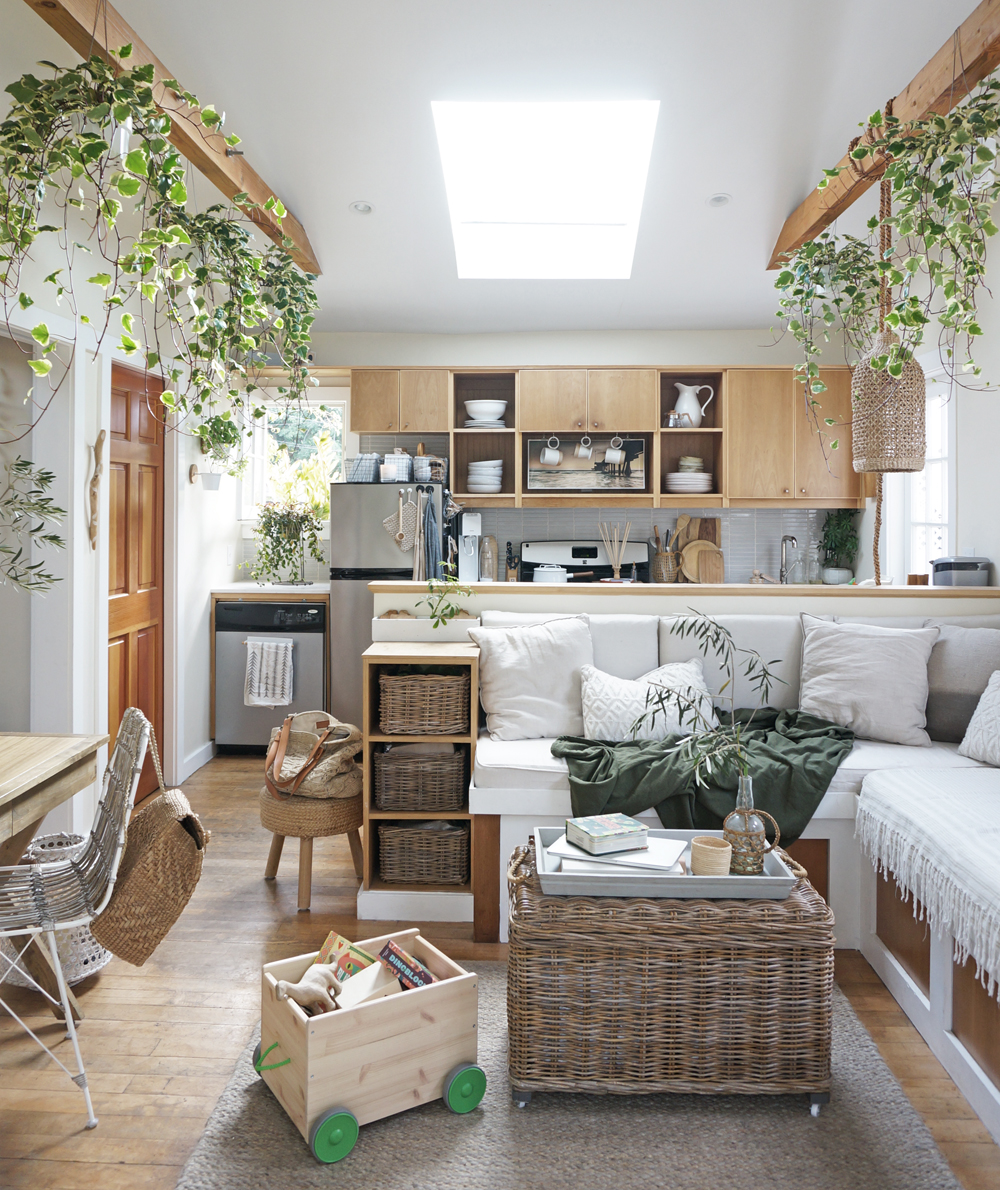
I am by no means a plant expert-- faaar from it. I look to Hilton Carter if I need help with my houseplants, and I am inspired by the creative ways that my friend Justina Blakeney of The Jungalow decorates with her plants. But I can certainly share what has worked for us here in our tiny home-office. While we have a wide variety of indoor and outdoor greenery, we routinely decorate with these three particular plants:
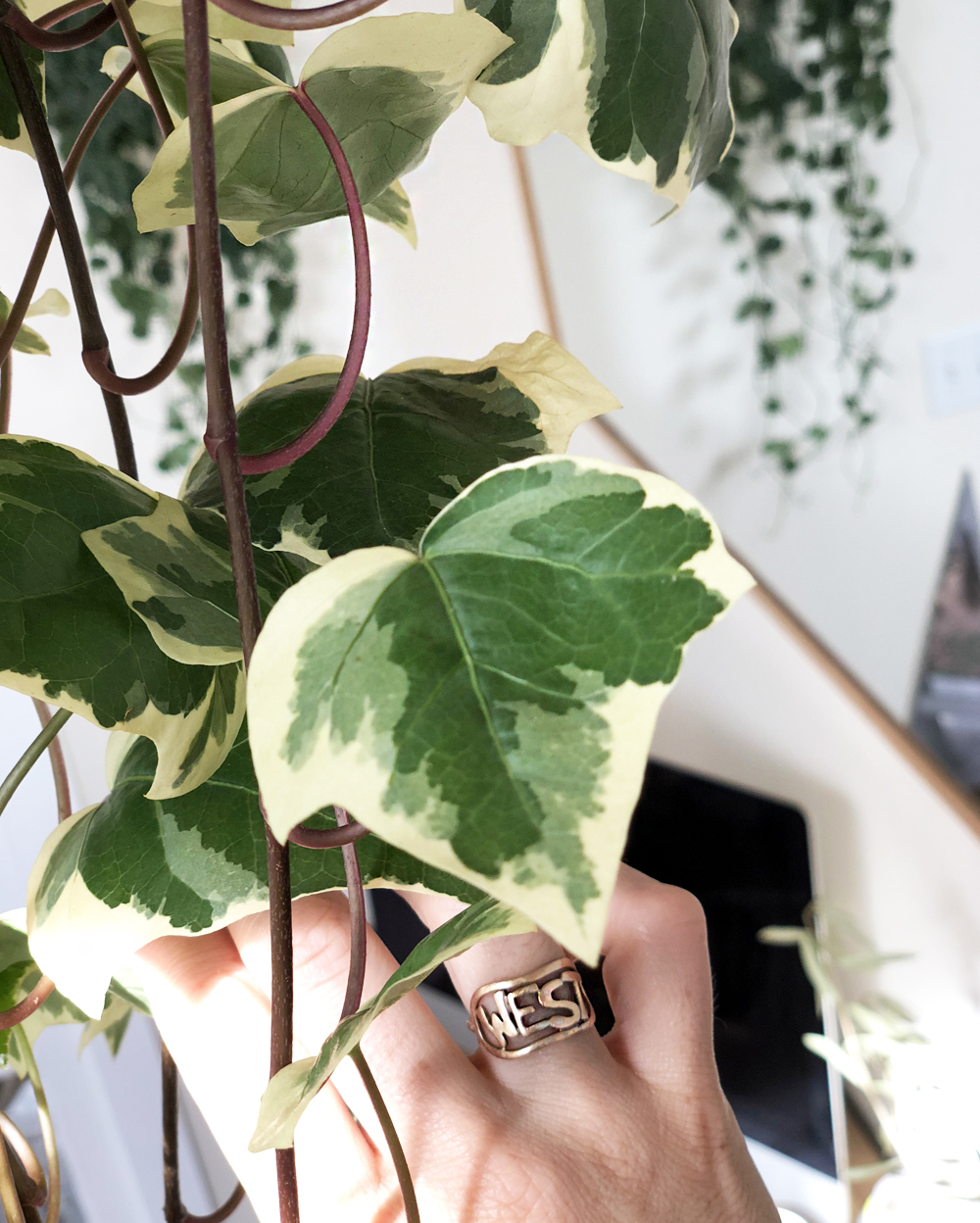
Algerian Ivy - I love this variegated vine, which drapes beautifully in hanging pots/baskets, and can also be used for ground cover. The mid-toned green and pale yellow help show off the texture and shape of the leaves, while the brown/red stalks contrast beautifully with the rest of the plant. Algerian Ivy can tolerate a decent amount of sun, but continues to thrive in times of lower light exposure. I usually display this ivy on shelves because it takes up a fair amount of space, allowing me to fill a room with warmth without cluttering it up with miscellaneous tchotchkes.

Silver Philodendron - Silver Philodendron is one of my favorite plants. In fact, it was one of the main visual inspirations for our home-wedding. This house plant grows rapidly, and has interestingly speckled grey-green leaves. In my experience, the vines will get sparse up top if the soil isn’t healthy and if the pot doesn’t drain well, so don’t forget to give these plants a bit of tending-to each week. My favorite spot to place these plants is on hidden/floating bookshelves on our living room walls. It is toxic to pets and people when ingested, so we simply keep ours high up out of the reach of all our little ones.

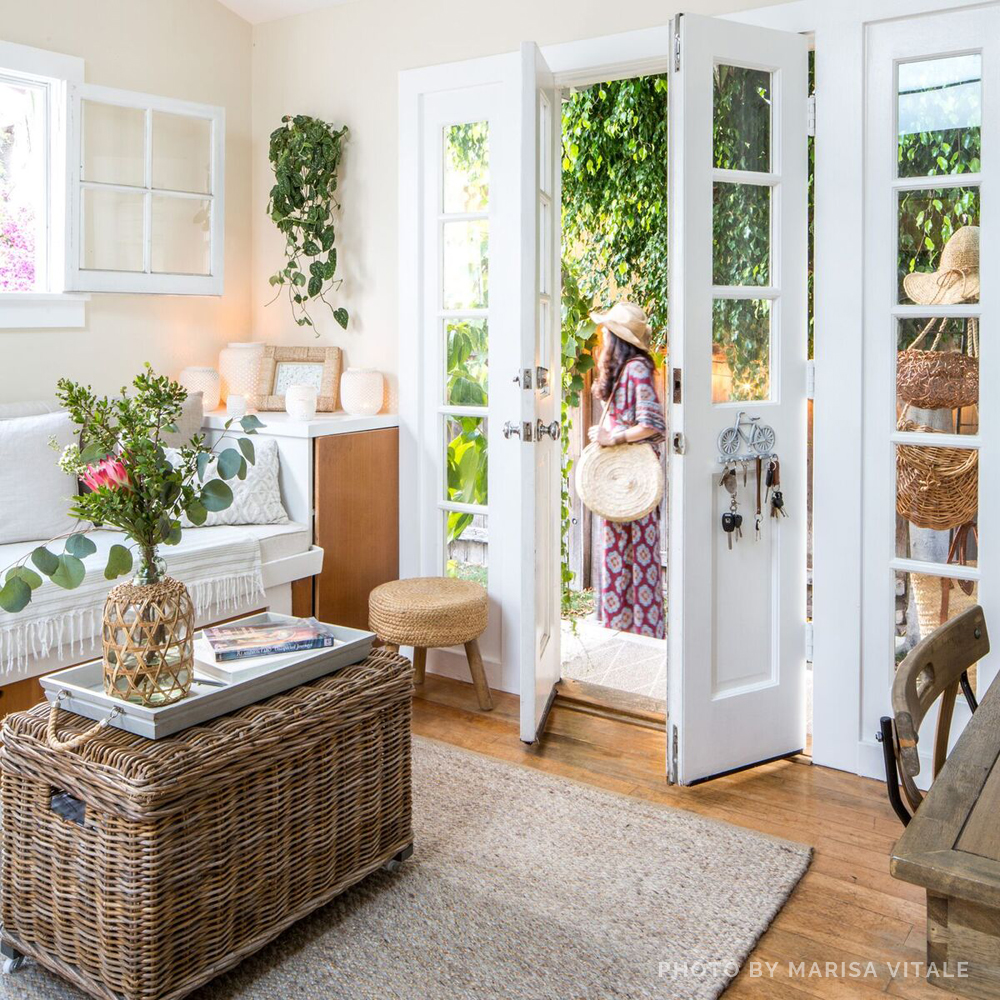
Vinca Vine - Vinca is one of my absolute favorites, because it grows incredibly long, and yet it barely sheds. This plant is simple and understated without being boring. It cascades and frames beautifully, adding depth and color wherever needed. My favorite place to hang them is near windows and outdoor corners, where the greenery livens up several feet of bare walls or moldings without consuming space. I’ve found that Vinca Vines require a touch of extra care in the winter, so I personally don’t leave them out in the cold. (Even here in SoCal they prefer to be indoors during the cooler months.) In the warmer season, they enjoy a few hours of sun, or regular dappled light-- nothing too harsh Cutting the vines back around Spring is a great way to spark new, healthy growth. (And don’t worry— they grow back in a blink.)