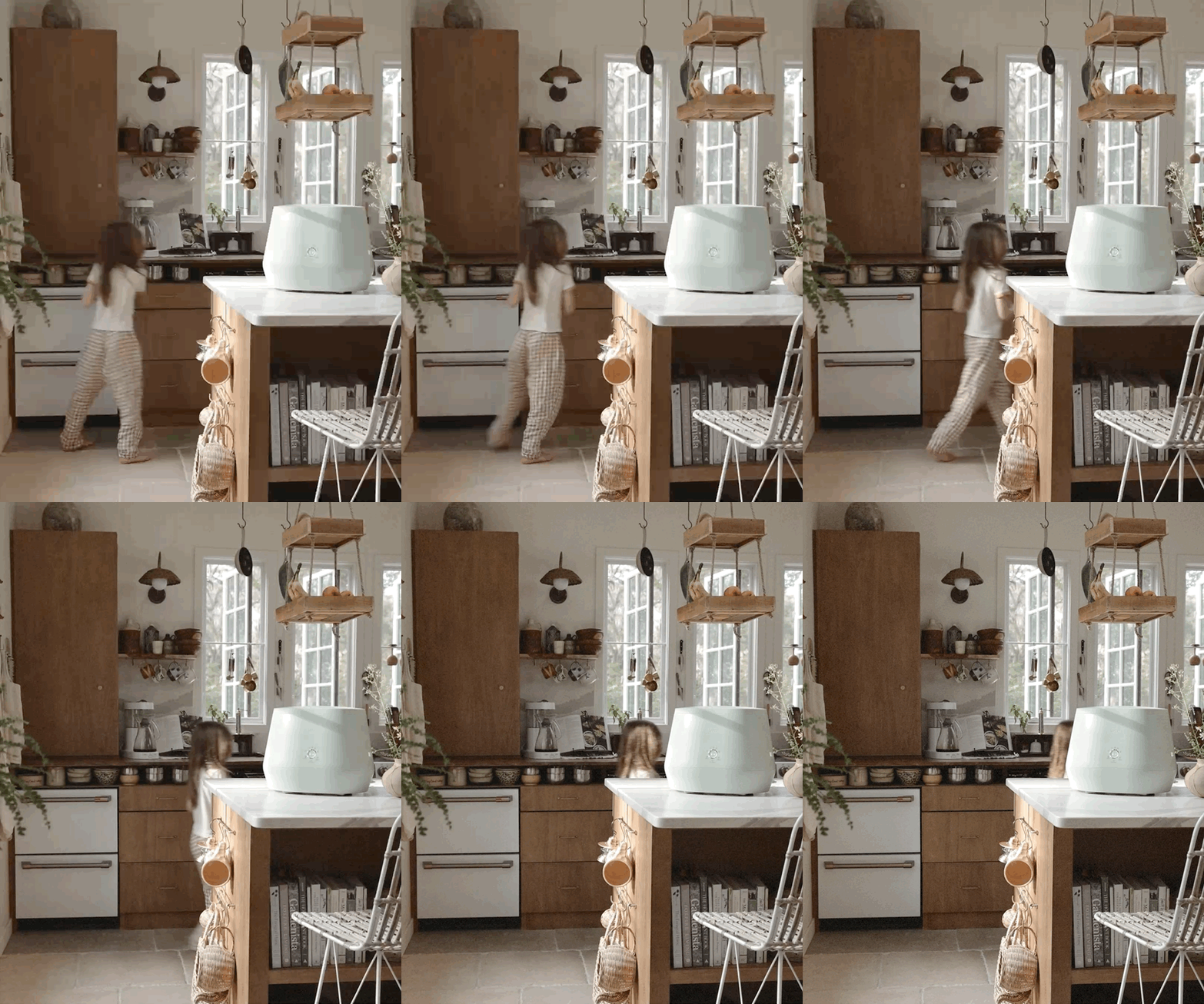
A Carbon Negative Kitchen Appliance with a Positive Impact on Soil Health
Imagine what our world would look like if, at the end of its life cycle, everything nurtured this magnificent earth as nature intended…
What if the world was waste-free? After all, there is no “waste” in nature — humans are the only species that create trash.

Food waste is one of the greatest contributors to climate change, and over 40% of that waste occurs at the household level.

But we have the ability to change this. Food waste is not really waste when it’s handled mindfully.

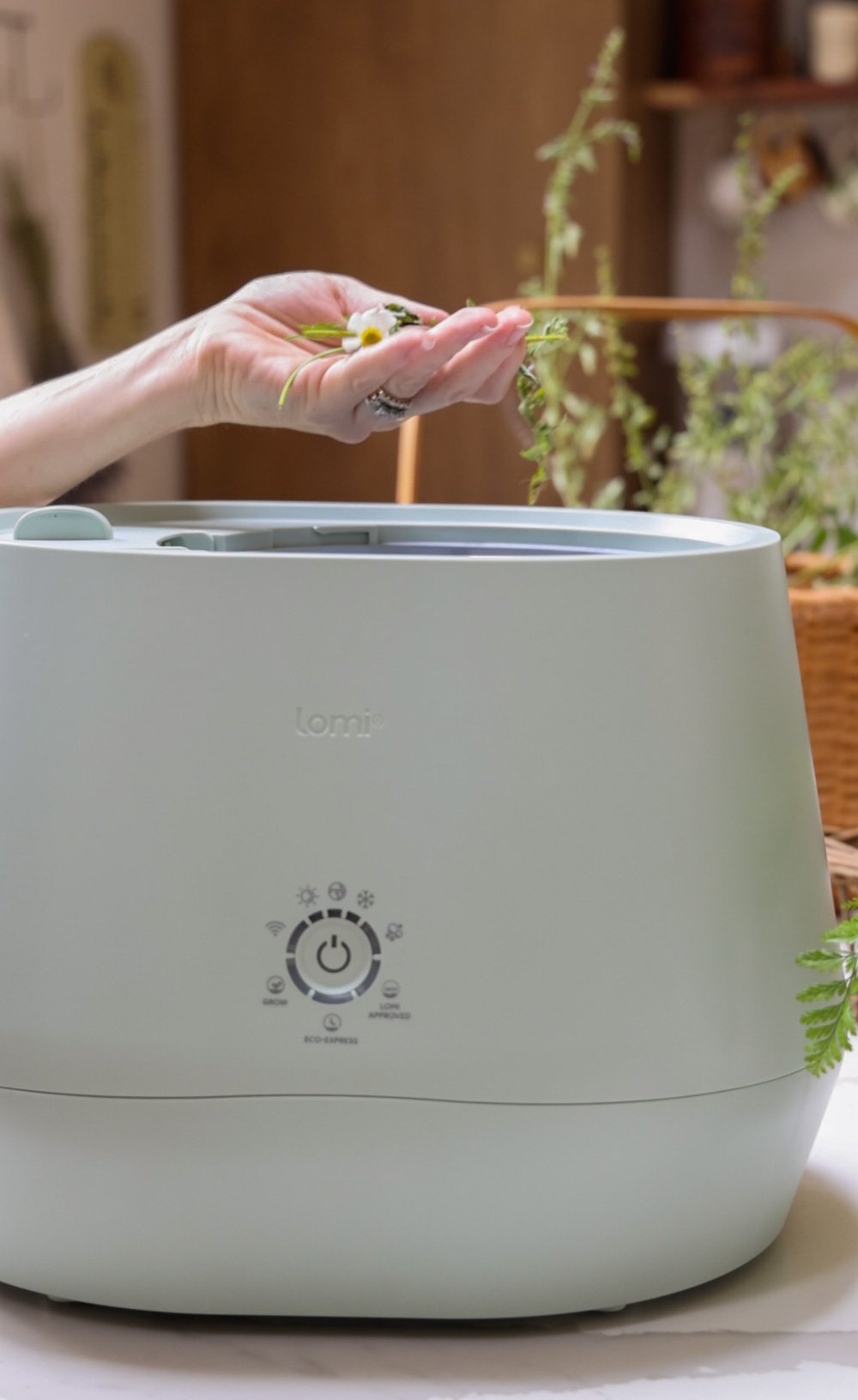
Instead, no matter where you live, food waste can become sustenance for nature, contributing precious natural resources back into the earth. Now, at the push of a button.

The Lomi Bloom is the only carbon negative appliance, and it can turn fruits, veggies, plant trimmings, yard waste, animal products, grains, and more into nutrient-rich plant food that supports healthy soil and its regeneration.


Lomi Earth — the result of Lomi’s “Grow” mode operating cycle— produces nutrient-rich, organic fertilizer that’s perfect to use on houseplants and gardens. When the Grow cycle is run with a LomiPod, the end result is packed with vital microbes to support plant health, and can also be sprinkled on lawns to improve soil health.

As we know, healthier soils store dramatically more carbon than degraded soils. When Lomi Earth is mixed with other soil and used to grow plants, the organic carbon in Lomi dirt is partially sequestered in soil and as plant matter. As such, not only are we able to avoid the harmful emissions of landfilling food waste, but we can also help sequester additional carbon.

Not only does Lomi Bloom reduce our carbon footprint and enhance our positive impact, it also rewards users in additional ways with every use. Via Lomi’s app, users can track their Bloom’s impact, and receive rewards like Lomi products and other useful, eco-minded items that can help us curb household waste.

Imagine what our world would look like if, at the end of its life cycle, everything nurtured this magnificent earth as nature intended…

Thank you to the wonderful folks at Lomi for supporting our small business by sponsoring this post. All opinions and photos are my own.
Functional Decor: Layered Kitchen Lighting
When we designed our new cottage, we didn’t include any ceiling lights in the main room, which consists of the kitchen, dining room, entryway, office, and living room. Nor did we include the recommended lights in our primary bedroom. Despite the electrician’s continued insistence that we needed built-in overhead lighting, I was adamant that we avoid it, remembering how harsh it felt — regardless of bulb type — in our previous tiny cottage.

Six months have passed since we moved in, and not once have I regretted the decision. In fact, I wish I’d listened to my gut about the kids' room too, and remained steadfast in declining the recessed lighting option in there, too. Alas, I caved on that one, and I’m still kicking myself for it.
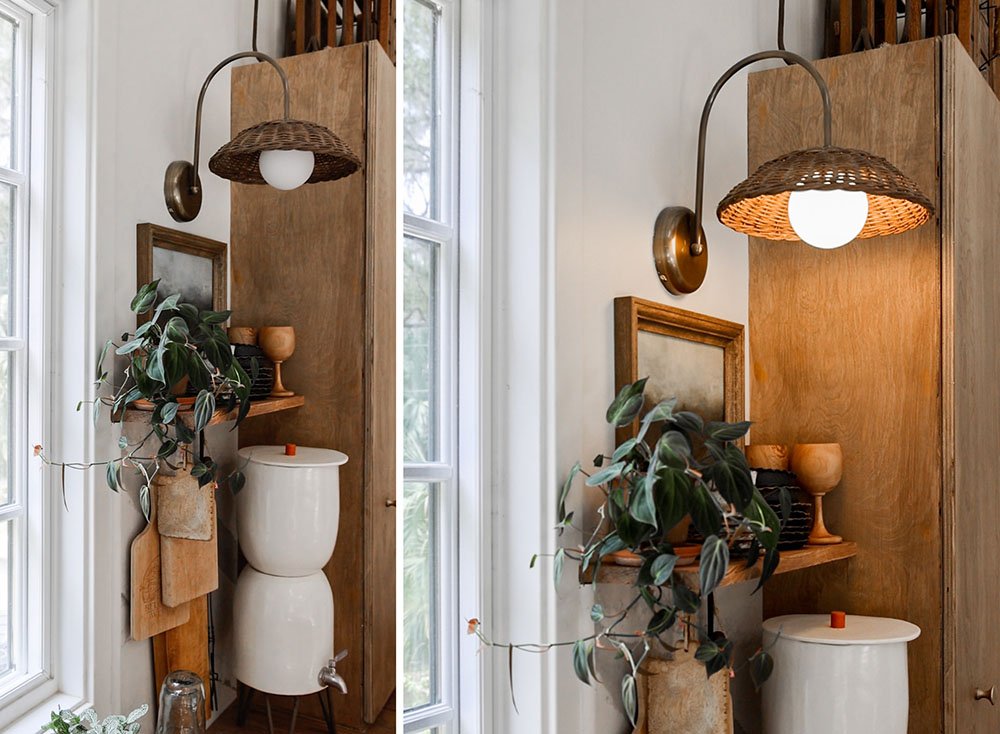
For me, lighting is the perfect example of Functional Decor. It is the ultimate way to decorate a home and set its feeling of warmth and welcome while addressing a distinct need. Plus lighting can be designed to suit any style within a myriad of budgets.

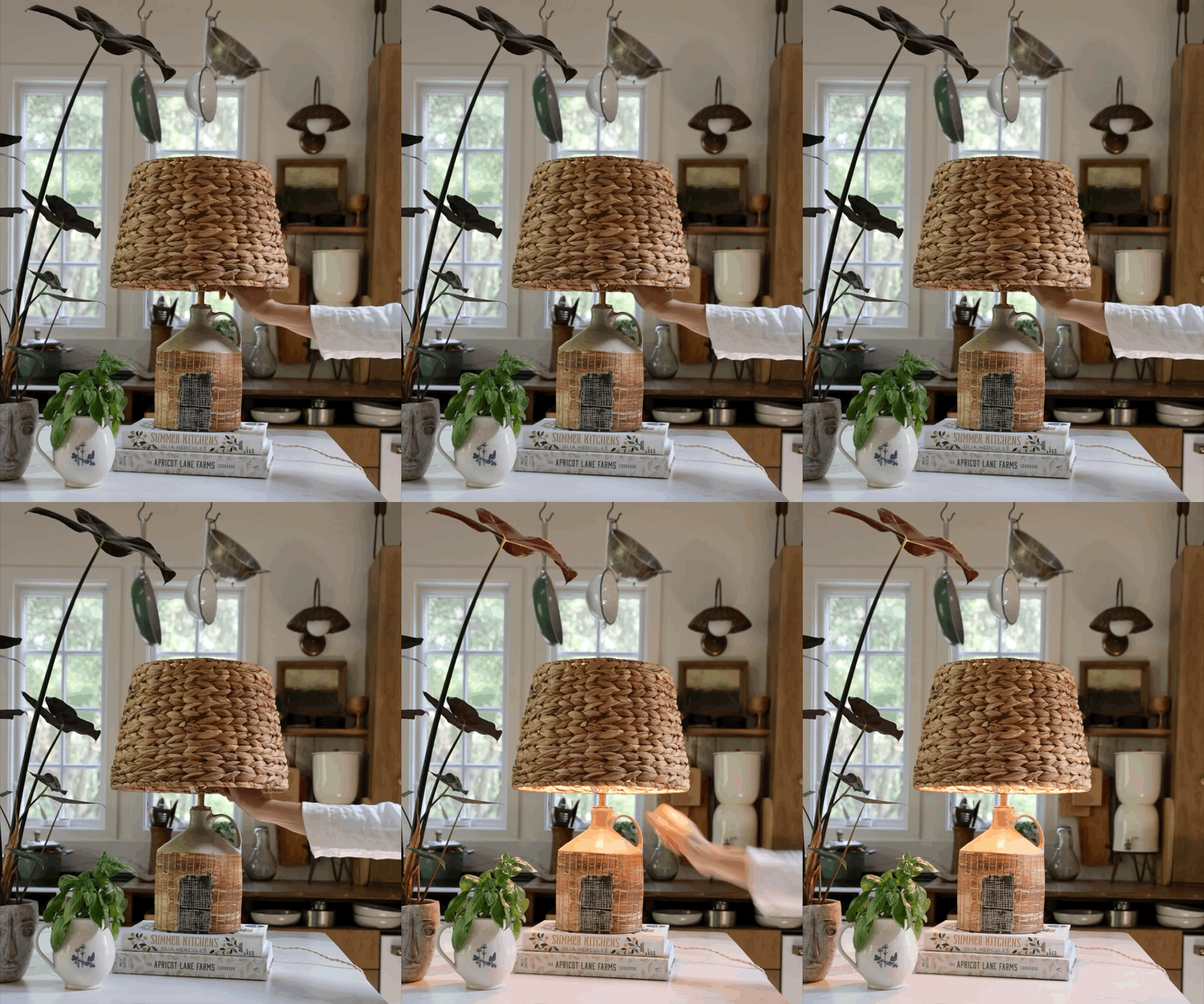
We don’t often need to switch on the lights within our home thanks to the numerous windows and skylights that usher in abundant natural light. But after the sun sets, the kitchen requires the most illumination, which is why the room is layered with sconces, a pendant, and two table lamps. All of these include natural, eco-friendlier materials, like rattan, linen, water hyacinth, and clay, rounding out the look and feel I want for the space while helping us brighten it gently but effectively in the evenings and early mornings.

I also prefer the versatility of less permanent lighting options. With the exception of the two wall sconces on the back wall, the other lights, including the pendant, can easily be relocated in case our needs or use of the space shift over time.

The growler-turned-lamp, which is ceramic with a light iron wash and a hand-carved screen door on the front, is by a life-long friend whose works of functional ceramic art I’ve collected for 20+ years. The other table lamp (in rattan) was designed by our friend Justina Blakeney. Lighting can be an opportunity to showcase (and even repurpose) sentimental items from around your home, not only adding to the decor but also telling stories about your family and the folks you love.

SOURCES
Handmade ceramic, iron wash lamp by our friend Daniel George Designs
Linen Pendant Lampshade: Secondhand (click here for the jute pendant lamp cord)
Rattan and linen table lamp by our friend Justina Blakeney of The Jungalow for Opalhouse