
Rightsized Vintage: June Edition

While sharing tips and stories regarding interiors feels pretty ridiculous at this moment in time, I think there is something important to it. Embracing smaller spaces, repurposing, choosing local, handmade and/or used goods, and sharing resources are all ways to look out for each other and out one shared home. We can make the most of our compact homes by being deliberate about what we acquire and getting creative with whatever space we have. Sourcing secondhand is a delightful way to add character to our homes, enjoy previously used goods and shop small. (And don’t forget that you can message sellers to request used packaging materials if they’ve got them.)

Please note that I sometimes earn a small commission from sales of secondhand pieces.

Create the Look: A Small, Sustainable, Multipurpose Corner

Sharing tips regarding interiors feels pretty ridiculous at this moment in time, but I think there is something important to it.

There are so many ways to approach our homes mindfully. We can make the most of our interiors by being deliberate about what we acquire, curiously exploring items we can reuse and repurpose, and getting creative with the space we have. Embracing smaller spaces, repurposing, choosing local, handmade and/or used goods, and sharing resources are all ways to look out for each other and out one shared home.

While used finds like the ones pictured here in our home and those curated below are such gems, there are plenty out there. Remember that homes have only ballooned in square-footage within more recent years, and that newly manufactured “apartment” furnishings are by no means novel concepts. There are so many clever designs that have long been circulating out there - let’s find and use them.
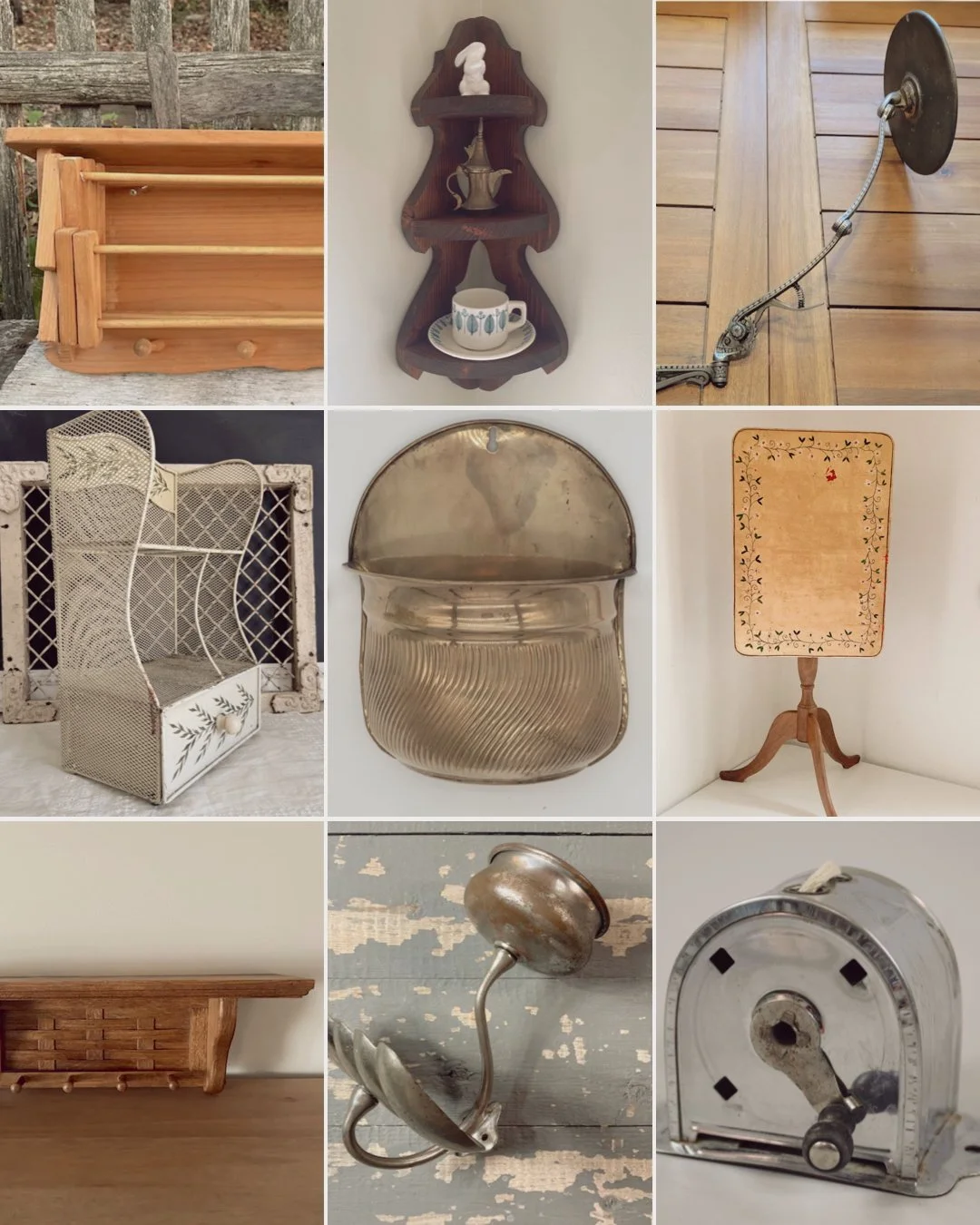
Please note that I sometimes earn a small commission from sales of secondhand pieces.

5 Ways to Invite the Outdoors In via Thoughtful Design
Whether you’re starting from scratch or responsibly re-imagining your space, here are five ways to create intentional and enduring interiors with the help of biophilic design.
Note: Thank you to Marvin for sponsoring this post and supporting our small business.
The arrival of a new year often inspires folks to streamline their homes, providing a simplified and organized slate for the months ahead. But this cycle of discarding (and ultimately replacing) goods is not ideal for our wallets, nor for the planet. So when I help my clients and readers declutter and/or update their spaces, I hope to help them do so for the long run.
My north star for designing and organizing with intention is nature. The idea of living inner-connectedly with the outdoors has always inspired me, as I believe that nurturing our bodies, our minds and each other cannot happen completely without remaining rooted deeply in the natural world, whether in a city or rural setting. Focusing on bringing in organic and natural elements (rather than on-trend home goods) can help us craft timeless, durable, and healthier spaces.

Each of the four rooms in our 900 sq ft cottage is meant to pull focus to the natural world around us and spark our innate instinct to interact with it. Whether you’re starting from scratch or responsibly re-imagining your space, here are five ways to create intentional and enduring interiors with the help of biophilic design.

MINDFUL SELECTION OF INTERIOR MATERIALS
Selecting natural and non-toxic materials that are rich in earthy textures and acquire a natural patina over time is important when crafting a biophilic interior. Not only do these materials keep our indoor air and surfaces cleaner and healthier, but they become visually richer with age, freeing us from the worry of character-filled wear over time.
Here are some examples of natural materials that have a huge impact on how an interior looks, feels and functions:
Lime Paint
Our primary bedroom walls and ceiling are painted with a mossy green Lime Paint, which is free of solvents, and toxic chemicals, and is composed of all natural material and mineral pigment that provide a durable, breathable coating. Lime’s high pH makes it a naturally mold and mildew resistant finish. Plus the textured look and feel of the brush strokes help conceal nail holes and similar markings.
Tadelakt
Tadelakt, the plaster we used in our only bathroom (which is also the laundry room), is an ancient plaster finish that originated in North Africa. It is composed of materials such as slaked aged lime, marble dust and clay, which come together in a water-resistant and durable finish. Not only is the finish stunning, strong and smooth to the touch, and visually interesting, but it’s also resistant to mold, mildew, and fungus, resulting in a healthier living environment.
Wood Windows
What better way to invite the outdoors in than by selecting a wood finish for the interior windows? Wood-clad windows offer a uniquely earthy feel in the exact places where the indoor and outdoor truly meet. In our home, we chose Marvin Elevate Casement windows, as their natural wood interiors and Ultrex® fiberglass exteriors ensure beauty and durability for years to come. We selected divided lites to best suit our cottage design aesthetic, and to help keep the birds in this wildlife haven safer.
Wood Trim with Natural Whey Stain
I love the look of trim that’s hand-coated with a natural whey stain made from minerals, and natural pigments. Such stains are an eco-friendly alternative to traditional synthetic formulas, and allow the grain of wood to shine while keeping tones within a unified spectrum of hues.
Natural Wood Floors & Shelves
Our wooden floors, shelving, nightstand tops, headboard ledge, and sink vanity are all made with ethically river-recovered, character-filled pine and cypress board remnants. While we lightly sanded the wood in order to remove deep-settled dust, everything except the headboard ledge was left unstained and natural in order to preserve the color, texture and matte finish of the wood. This way, nature takes the lead over trends, so we can be confident in the earthy and timeless aesthetic of our decision for as long as we live here. Each of the 500+ boards has a story to tell from years of impact from insects and sap, and every piece has naturally-occurring curls, knots, arching grain patterns or vertical pinstripes.

DIY FUNCTIONAL DECOR
When it comes to design, one of my greatest interests is brainstorming creative ideas for troubleshooting and enjoying small, shared, and unusual interiors. Time and time again, I’ve found that the best tools for our funny little homes are not, say, store-bought plastic drawer organizers that can be used for little else (although many repurposed items can be used in their place). Instead, the most ingenious items for our awkward spaces are often the ones we craft — however inexpertly — to suit our precise needs, tastes and specs. And, thankfully, those sorts of things can often be deconstructed and reconfigured in new ways to serve numerous purposes over time. Foraged items can not only usher in a certain natural aesthetic, but can also provide function. Organic linen, hemp and jute can provide our rooms with rich texture and layers. Vessels made from reclaimed and repurposed wood, rattan, seagrass, and similar woven materials can be used for storage that hides in plain sight. Repurposing salvaged, foraged and vintage materials to suit our specific spaces and needs can enrich our spaces in a way that’s more flexible, sustainable and character-filled than mass produced alternatives.

USHERING IN NATURAL LIGHT
Natural light helps eliminate dark corners, makes compact interiors feel airier, and can lift our moods throughout the seasons. Plus there’s no need to entirely overhaul wall decor for a fresh look and feel when nature is providing us with an ever-changing view. Here are some ways to usher in more natural light in a space of any size:
French Doors
French doors — whether used in exterior or interior frames — help keep a home feeling open and airy while still allowing for the division of space and privatization.
Pocket-Doors
When left open, pocket doors allow for uninterrupted light and airflow within an interior, without consuming valuable floor inches like a traditional door, or usurping usable wall space like a sliding barn door would. In our cottage, oversized double pocket doors generously connect the bedroom to the windowed and skylight-filled main room / kitchen. This provides a wrap-around, panoramic view of the wooded setting.
Mirrors
For anyone who wants a lower lift method of inviting natural light into their space, use mirrors. It’s a small hack with a huge impact. Just test the waters to see what I mean! Prop or suspend a small mirror in a darker corner where it can bounce light from an opposing wall’s window, let it sit for a few days, then remove the mirror to see just how lifeless the corner and wall look without it. The difference can be staggering! Opt for one larger mirror, or several smaller ones. Either way, you’ll instantly brighten up your space, which can uplift moods in darker seasons.
Unexpected Windows
We added small gable windows on the north and south peaks of the main room for extra natural light. As such, we needed no built-in overhead lighting in our main room / kitchen, which was a goal of ours given how artificial lights left on at night can interfere with the flight patterns of migrating birds. Thankfully a few smaller lamps can provide more than enough illumination in more compact square-footage.

VENTILATION
The most straightforward way to naturally improve our home’s air quality and pull focus to the outdoors is to keep our windows and doors open wide, when possible and safe. In our small space, the air flows through the house regardless of the direction of the wind, as casement windows on each side of the house make it possible. With Marvin Elevate casement windows like ours, each operable window has an optional screen that can easily be popped in or removed from the inside, making maintenance and installation easier in our situation.

PLANTS
Other than mirrors, plants are perhaps the easiest way to bring the outdoors in. For small households with little room for potted plants, consider tiered hanging options or wall-mounted vessels when possible. For folks who like to switch up the look and feel of their home often but want to do so responsibly, weekly market florals or locally foraged greenery can change your home’s color scheme instantly, and can also provide either a wild or polished look as desired. And for anyone on a tighter budget, try propagating! With a few reused jars, a pair of clippers, and a bit of guidance from interior plant stylists and experts like Hilton Carter, you can create a lush and green interior. (As always, keep the safety of pets and kids in mind when it comes to selecting your plant varieties.) We place our potted plants near our windows so they can live their best life indoors, whereas we arrange our clipped branches in more shaded corners to help them last longer.

This post was kindly sponsored by Marvin. All opinions and visuals are my own. We appreciate sponsors who believe in and support our small business.


Creating Your Own Small Entryway Solutions
This latest Create the Look post is is geared towards creating a utilitarian, customized, aesthetically-minded entryway in a small space with the help of vintage and salvaged materials.

But before we jump into it, please note: I don’t want everything I publish to be shoppable. I don’t wan’t to constantly encourage people to buy more, when I know that most of us can (and should — for environmental reasons,) live with less. What I do want is for folks to be comfortable, confident and content in their small homes or apartments.
In our 900 sqft cottage, the front door opens directly into the dining room. Despite the multitasking nature of this area, there’s more than enough space for us to hide our door-side essentials in plain sight. (See my “Rightsizing” Newsletter for detailed photos and explanations.)
Here are pre-loved or small-batch items from independent storefronts that might help you bring a touch of extra storage and functionality to your compact entryway, too.

Please note that we sometimes use affiliate links for the vintage and handmade goods we’ve curated, which helps keep the twinkle lights glowing for our small business.

Low Waste & Limited Budget: Upcycled, Removable Kitchen Counter Skirt
Low Waste & Limited Budget Home Decor Project: Upcycled & Removable Kitchen Counter Skirt
I find such joy in making adjustments within our little home (which is also my full-time office) in order to creatively improve our household’s day-to-day routines. But I have zero interest in wasting material resources, spending money or acquiring new items in order to switch things up. Instead, I strive to find ways to work with what we’ve got to make impactful changes. These little endeavors usually involve a bit of repair, customizing, crafting, and/or trial and error. Sometimes things play out perfectly. Other times the project ends up a complete disaster. But either way I delight in trying.

Recently, while shuffling things around the house, we stored some extra produce and cooking ingredients, emergency storm supplies and library books in the built-in cubbies of our kitchen island. I found myself visually overwhelmed by everything, which can happen easily in a smaller space with an open layout. I wished I could conceal the cubbies when desired without making any permanent changes and without buying new goods. Usually I quite like the cubbies, and they’re certainly highly functional. I’m glad they’re there, and that we didn’t opt for cabinets instead, as I appreciate the character and depth the cubbies offer. But every now and then — particularly when I’m working on creative projects for others — my mind and eyes need a reset, or at least a calmer canvas of sorts.

A counter skirt / kitchen island curtain seemed like a simple solution. And our younger beagle-mix rescue helped me bring the concept to life by digging a hole in the bottom of our flat sheet on our bed, leaving me with a lot of leftover linen fabric to repurpose. (She’s a menace, that dog, but we love her just the same.)

With a few Command hooks and a telescoping sash rod (we have two on-hand here because we find them as ever-useful as tension rods and s-hooks), I was able to swiftly install an imperfect but entirely passable counter skirt. No damage, no waste, no bulk — everything can be removed and reused as desired.

These simple Command hooks are only visible when ducking below the counter.
It’s not fussy or flawless, but it’s perfect for our home, priorities and needs, and that’s what matters to us here.

Items used:
Telescoping Sash Rod
Repurposed Flat Sheet (cut and sewn to specs)

10 Low Waste Ways to Add Color & Texture to a Room
Even for those of us who work hard to ignore interior decor trends and stick to what we truly love and need, it can be tough to resist the allure of introducing new things. Our homes are our ever-changing art palettes— safe places where we should feel empowered to try out what brings us joy and utility, without fear of judgment or expectation. But given the realities of the climate crisis and the devastating impacts of “fast furnishings” and accessories, coupled with limited budgets and bandwidths, how can we switch things up responsibly?
Here are ten of my most commonly employed tips for bringing a fresh wave of color and texture to a kitchen, keeping budget and the wellness of this extraordinary planet in mind.

Borrow
If you don’t have a public library card, now is a great time to get one! Borrowing books about cooking, canning, gardening, and culinary reference guides can not only provide you with a wealth of new information and ideas, but the publications themselves will add layers of color and meaning to your space. I have a small collection of folding, secondhand bookstands and racks that I use to display volumes, both opened and closed. Public libraries encourage sharing within our communities, and borrowing items rather than permanently acquiring them can help us save funds and inches while preventing material waste, all without depriving us of the information and character we seek.
Peel & Stick
Installing a backsplash (and removing an old one) can be pricey and involve a large number of materials and packing materials. Whether you rent or own your home, consider a playful peel and stick wallpaper instead as a way of instantly transforming accent walls within your kitchen. (Just be sure to keep safety and humidity in mind when selecting placement.) I recommend taking a peek at the Love vs Design website, because they have delightful designs that can be customized for the exact color combinations desired, all in a damage-free format. (You can also get larger format custom samples, which is helpful for highly visual folks like myself.)

Aboev: Some of my favorite Love vs Design patterns and colors.
Visit the Farmers Market
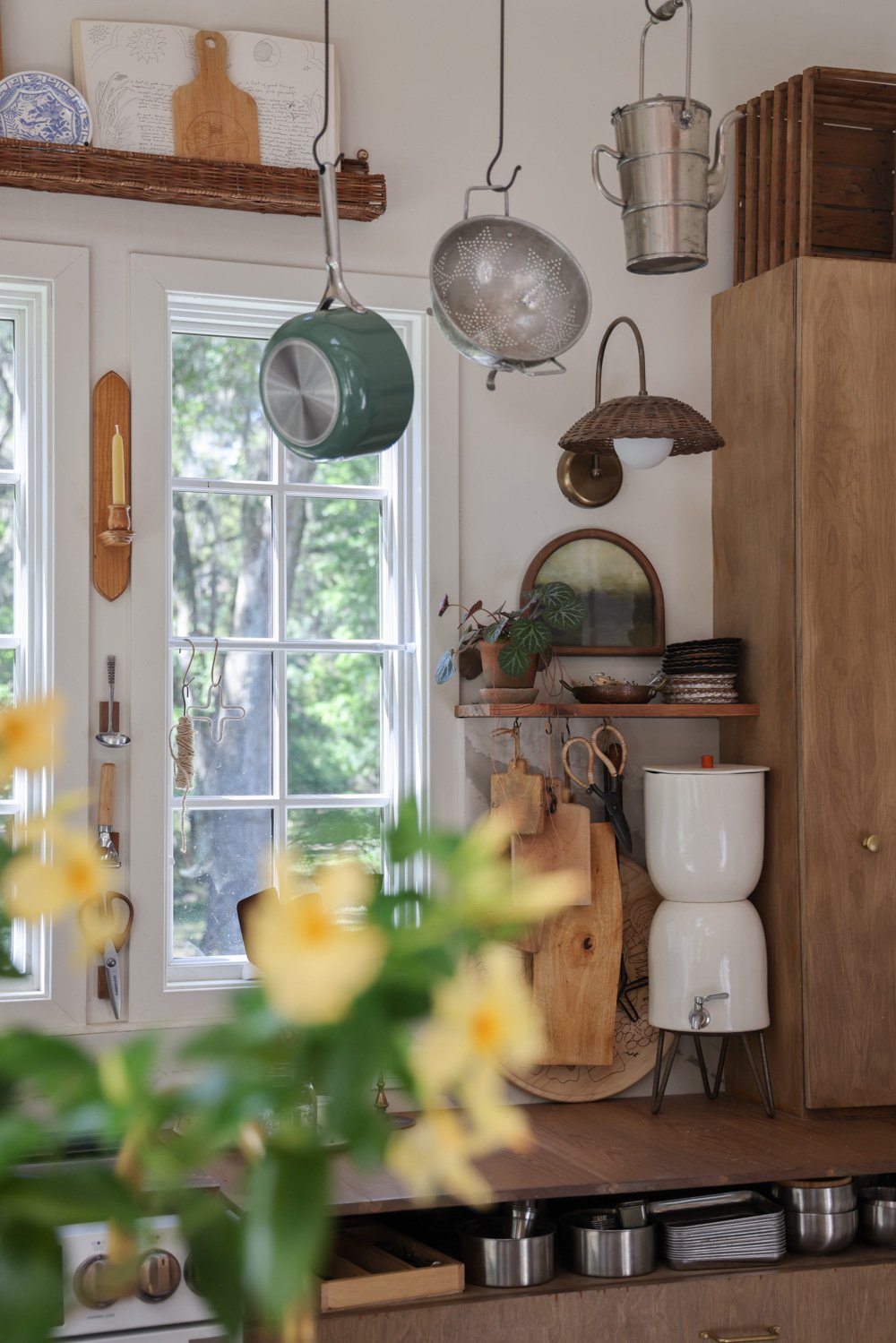
Using fruit and leafy greens to adorn your kitchen is a great way of ensuring that your decor is ever-changing, all while reminding you of the healthy snacks and meals you can access throughout the day. Vintage bowls with citrus, hanging trays of apples, dangling hooks with herbs and bananas, water-filled mason jars of broad-leafed kale and chard, and repurposed yogurt pots with spinach and edible flowers are all ways of livening up your space with food and functional decor.
Paint & Stamp
A sample size of non-toxic paint can help transform a room, whether you paint an entire surface, add a few stripes or spots here and there, or stamp a pattern in an unexpected area.

Repurpose
Dangle stemware with a repurposed bookrack. Use an old basket or sifting tray create hanging, breathable produce storage. Use wall-mounted, folding drying racks to store, display and air out kitchen linens. The possibilities are truly endless, and the results will give your space a one-of-a-kind feeling that can never be found in a retail store.

Get Help from Hardware
Adding hooks in both obvious and unexpected places can help you exponentially increase the storage space in your ditch. Use knobs, pulls and hooks to craft endlessly flexible and functional displays of linens, utensils, mugs, herbs, etc.

Ditch the Packaging
Be mindful of the packaged goods you bring into your home. Product packaging is typically wasteful, loud in design, and bulky. When possible, refill pantry essentials and cleaning supplies in your own, preferred containers. This will not only cut back on waste, but allow you to customize the most utilitarian zones within your kitchen. When packaged items are unavoidable, research ethical brands with thoughtful containers.
Get Spicy
Display ingredients with intention. Slowly finding jars and containers to repurpose for your colorful spices and baking ingredients will help you craft displays that are as delightful to look at as they are to cook with.

Create a Canvas
Art isn’t just for walls. Thanks to unique secondhand frames and DIY hangers, as well as damage-free accessories like Command Strips, you can display art in a variety of ways on a myriad of surfaces. The front of a fridge or cabinet can become an art wall if handled carefully.

Maximize Windows
A window frame can be put to extended use (without being covered up!) with the assistance of tension rods and/or slim shelves. Where it’s safe to do so, consider using S-hooks to dangle everyday kitchen items in a window frame, or create a petite potted herb garden on a sunny ledge.

Making Things
The new book Making Things by Erin Boyle and Rose Pearlman has already been read multiple times and dog-eared by several of my family members. It’s a simple yet brilliant compilation of 100+ useful craft projects / tutorials that are accessible and yet entirely dreamy all at once.

What makes this particular book such a treasure is not just its clever ideas and beautiful visuals, but the way in which it encourages us to look around and use (and then reuse) what we already have on-hand, rather than calling on us to dash to the nearest craft store and stock up on pricey and newly manufactured materials that we might never employ to the fullest… or even open in the first place. Most of the items that Erin and Rose use and recommend to bring their genius and utilitarian concepts to life can already be found around the home, or acquired at a secondhand store or through a neighborhood swap.
It’s also worth noting that this book acknowledges and pays homage to the origins of many of the techniques used— something that stood out to me as being highly important and surprisingly rare.
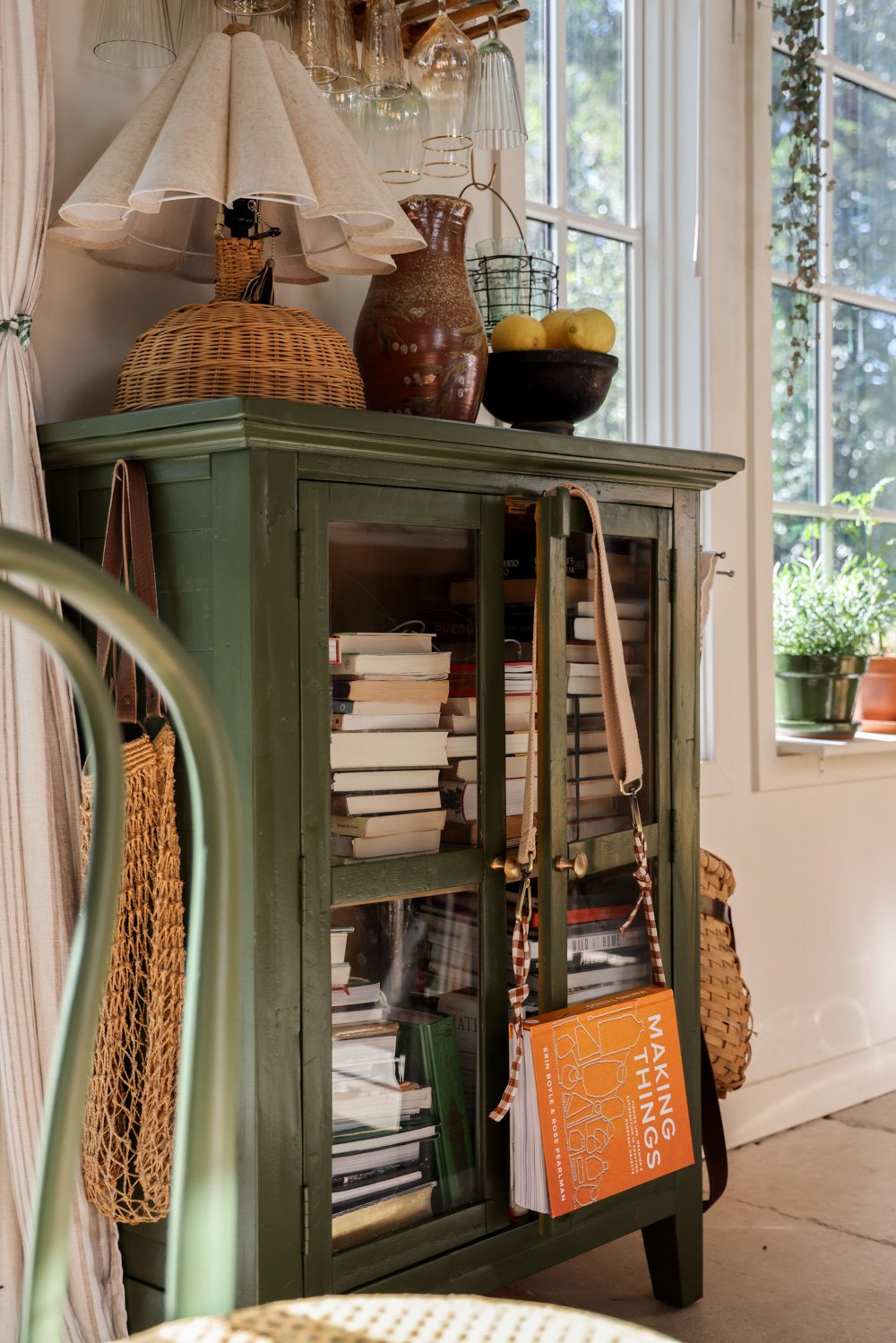
Making Things reminds me that many of the capitalistic tendencies that dug us deeper into climate crisis can not only be avoided, but that life is truly so much richer when we don’t aim to buy our way through it, and instead forge our paths with creativity, community and responsible stewardship as our guides.
Armed with this book and the mindset buoyed by its contents, one could never truly be bored.

Create the Look: A Woodland-Inspired Kids Space
By request, here’s my latest Create the Look, which is geared towards crafting a gently woodland-inspired study + play space for children.

But here’s the thing— I don’t want everything I publish to be shoppable. I don’t wan’t to earn income by constantly encouraging people to buy more, when I know that most of us can (and should, for environmental reasons,) live with less.

What I do want is for folks to be comfortable, confident and content in their small homes or apartments, and to feel inspired by their space.

So here are some handcrafted items from independent storefronts that can help you bring the outdoors in for your little ones.

Create the Look: Mini Mending Cabinet
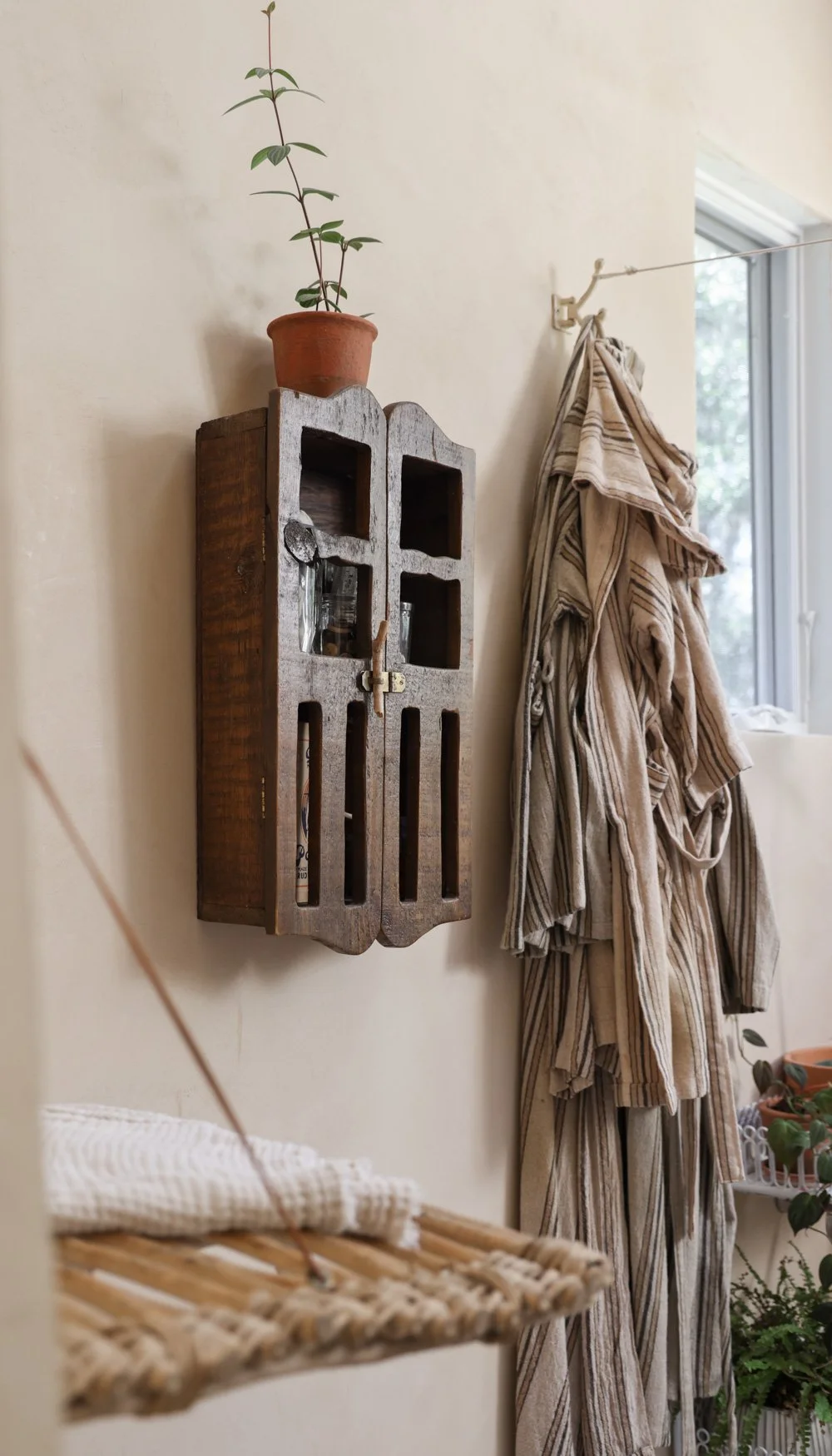
It’s the little things that can save so much space— like this secondhand shelf, now living out its new life as a mini mending cabinet in our combination bathroom and laundry room. (When in doubt, go vertical if it’s safe. The best, untapped storage spaces are often UP.)

While Adam and I are no experts at patching and darning, our little ones are certainly experts at wearing holes in everything.
For our 7 year-old, it’s the knees of every pair of pants he has. For our 2 year year-old it’s the tips of her sleeves. And for our pups, it’s every dog bed, fitted sheet and plush cushion in the house.
So we simply try our best. Because as we’ve learned through our journey over at the Tiny French Farmhouse, restoration and repair don’t have to be carried out perfectly in order to be not only effective, but also absolutely delightful.

By request, here’s the latest Get the Look… but I don’t want everything I publish to be shoppable. I don’t wan’t to earn income by constantly encouraging people to buy more, when I know that most of us can (and should, for environmental reasons,) live with less. What I do want is for folks to be comfortable, confident and content in their small homes or apartments. And I want to be a resource for reliable ideas that can help you spend less time searching for your stuff, and more time with the ones you love.

So when people ask where I got something that’s in our home, I usually point them to similar handmade and vintage designs. As such, for folks who inquired about this little cabinet: here are some secondhand items and independent online storefronts with handmade goods that can help you recreate this look in a sustainable way that suits YOUR needs and YOUR style.


Rightsized Vintage - A Collection of Secondhand Goods for Sustainable Small Spaces
By request, I’m resuming my Rightsized Vintage posts for all subscribers of my newsletter.
These weekly posts will highlight and link to nine secondhand pieces that are well designed for small spaces, or areas in need of enhanced utility or creative storage solutions. This is a way to add character to our homes, source more responsibly, and shop small. (Plus you can always message a seller to request used packing materials if they’ve got them.)


Repurposing Project: Boot Rack Turned Stemware Storage
We don’t need a bigger space — we just need to creatively enjoy the space we have.
One of our little repurposing / upcycling projects for the Rightsizing in Real Time series in my newsletter was this secondhand boot rack turned stemware storage:

For me, this is a great reminder that most of the time we don’t need a bigger space — we just need to creatively enjoy the space we have.


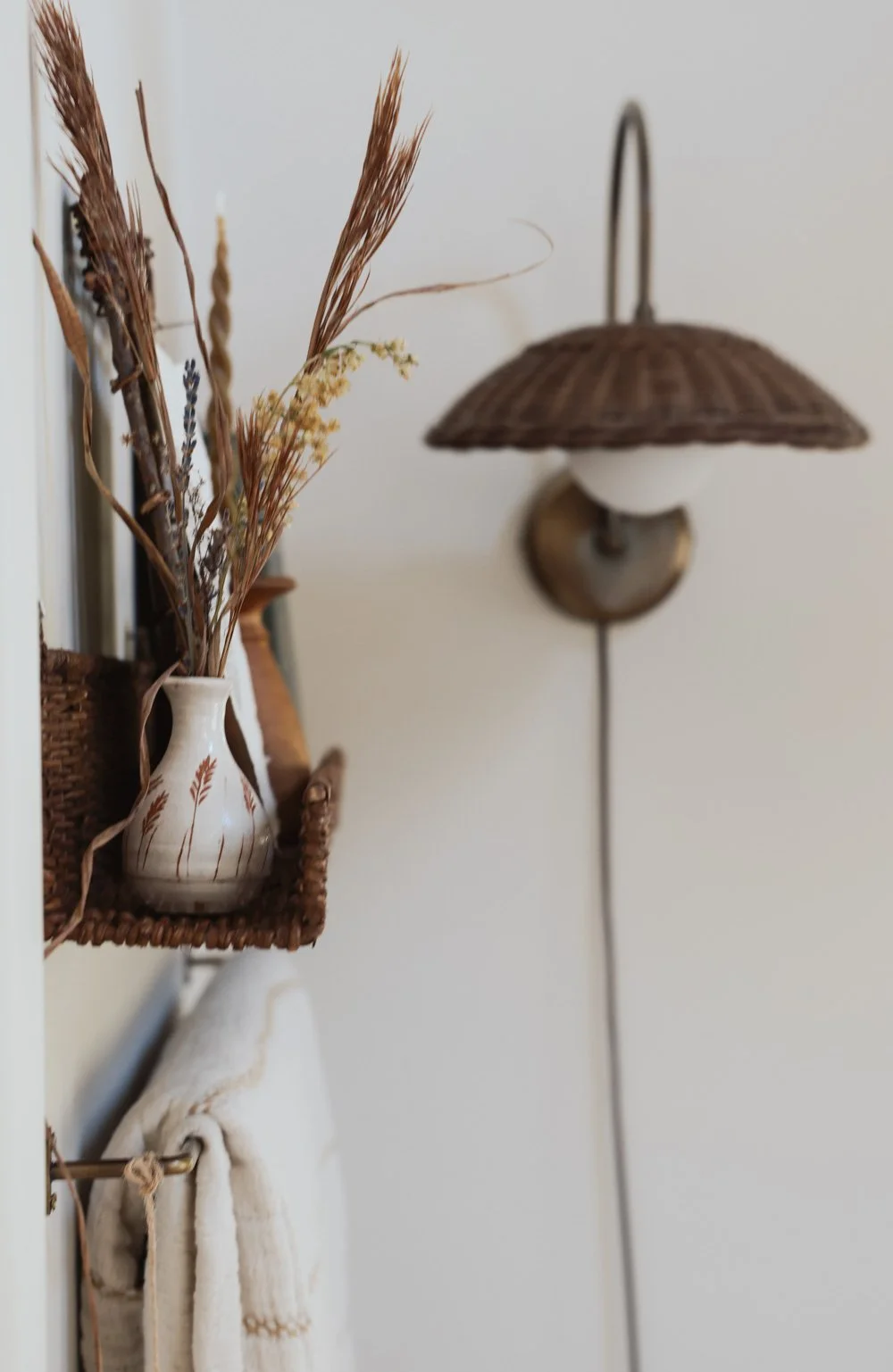
Rightsizing in Real Time - An Ongoing Event for January 2024
I am stepping into 2024 with no illusions that a turn of the calendar will magically ease stressors, or reveal an untapped source of much-needed energy. Yet who doesn’t relish optimism, coupled with a fresh beginning of any sort?
A new year.
A rising sun.
An unexplored perspective.
It’s my job (and my joy) to help people discover comfort and contentment within their homes— particularly spaces that are compact and/or in need of heightened versatility. In order to tenderly weave that work into the intentions imagined by many at the top of the new year, I’ll be publishing regular posts throughout January as part of a month-long series entitled Rightsizing in Real Time. This series will offer simple, flexible prompts and examples aimed at helping folks with their own rightsizing, downsizing, repurposing, and/or organizational endeavors.
I hope you’ll mull over the concepts that apply to you at your own pleasant pace.
Good things take time and consideration.
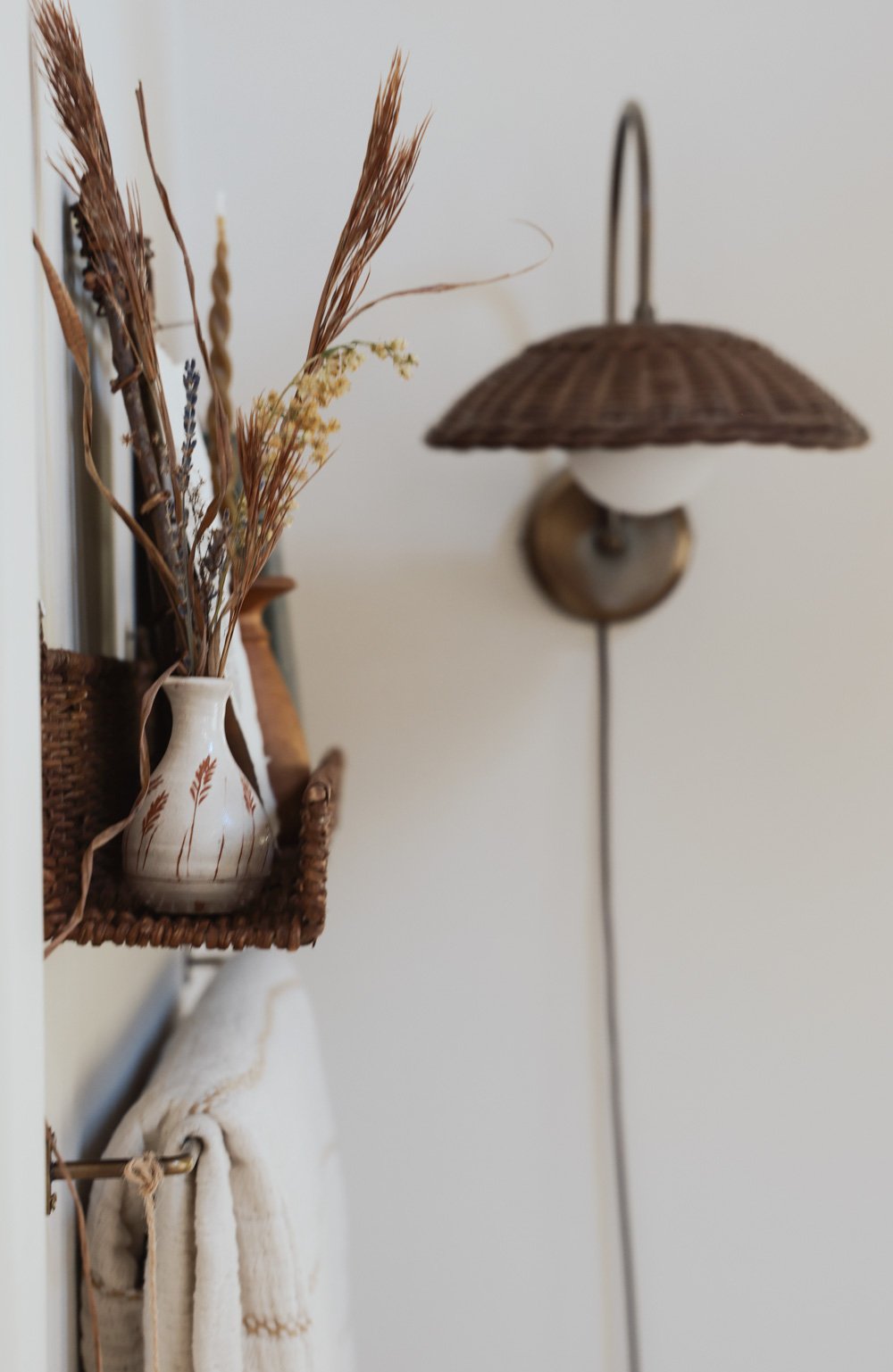
Rather than jumping frantically from room to room (which is a common and often overwhelming approach that I find laughable when applied to small spaces), we’ll explore solutions to typical small space hurdles through a more versatile lens.
How can we thin the crowding of belongings wherever that occurs?
How can we better define and adapt zones?
What areas are under-utilized and need reimagining?
Where do we start when operating on a tight budget and with sustainability in mind?
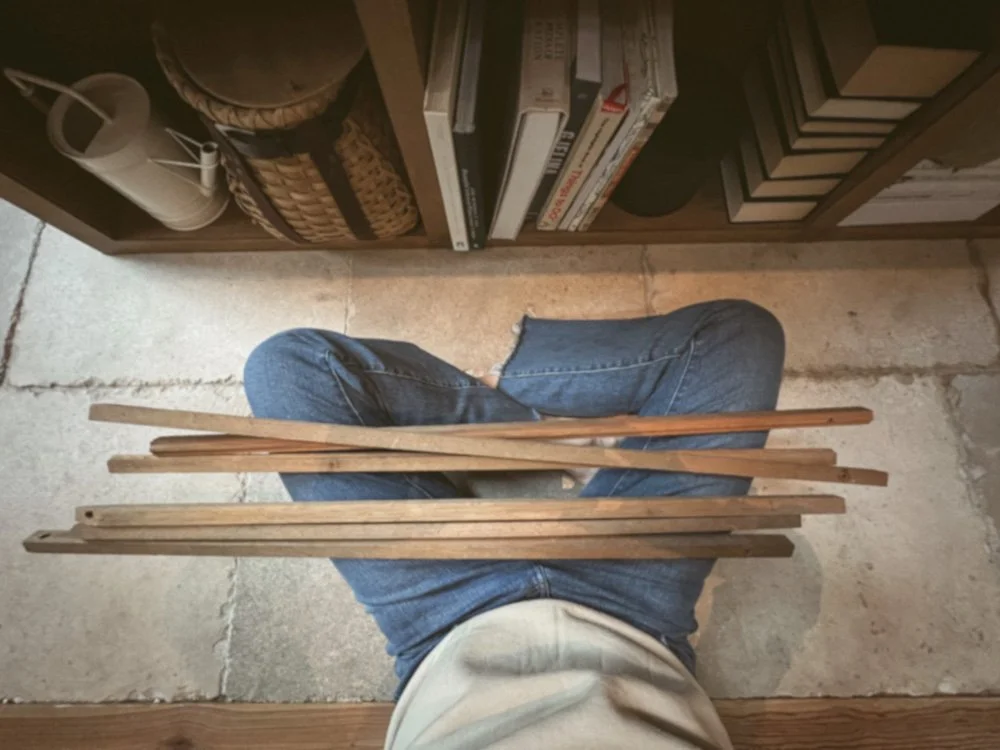
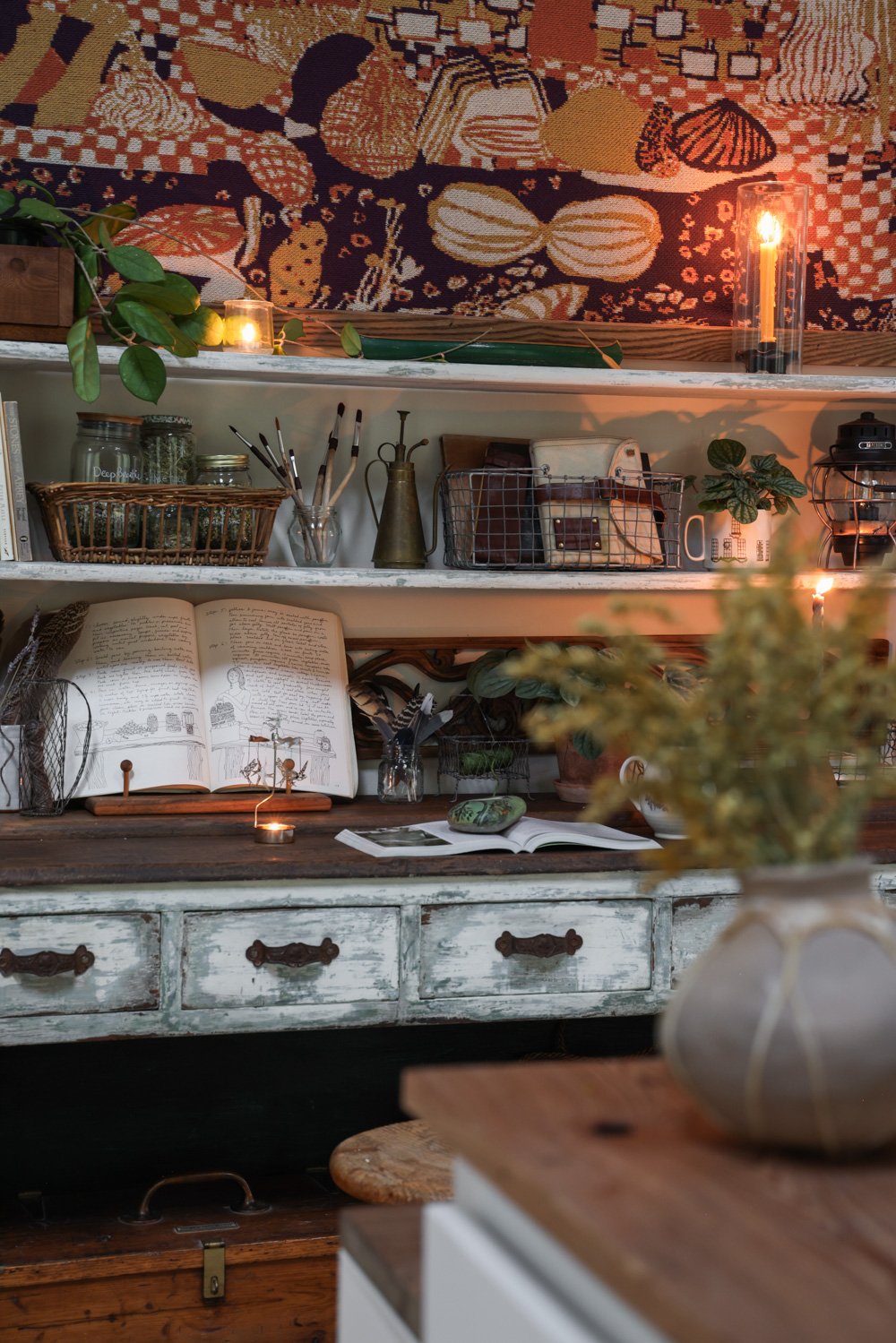
Rightsized Furnishings via Small Sized Businesses
In this post: Celebrating Small Business Saturday, as well as updates & milestones in the cottage.

This month we approached the one year anniversary of moving into our little guest cottage in the southeast. Our architect and I designed this ~900 sqft structure with great care, as it’s an essential component of the part-time, multigenerational arrangement that allows us to slowly restore the Tiny French Farmhouse abroad as time and budget allow.
Overall we’ve been pleasantly surprised with the efficiency of the cottage, which really does function as we’d hoped and envisioned it would. But when we moved in one year ago there were still several construction tasks left unfinished, as timelines and budgets ran dry (as they presumably do for the majority of folks, despite the highly polished interiors we often see online that can lead us to believe otherwise).
For example, there’s a 4’-long utility “hallway” that connects the main room (living space / kitchen / dining room / entry) to the bathroom / laundry room combo, and that tiny space was left largely undone. The HVAC concealment door that we’d sliced in half and turned into double panel (so we could still fit into the hall when opening the door) was missing hardware and paint. The flooring behind the door was never installed for some mystifying reason. And the opposite wall, which offers a closet-sized nook where the breaker panel is located, was meant to contain a built-in cabinet system that never came to fruition.

The utility alcove connecting the main room on the right with the bathroom / laundry room on the left (as seen using wide angle photography while standing within the HVAC closet across the walkway).

Note: The full version of this post also contains a Q&A with Lyonella Cook of Sandpaper and Wax Design, the artist who restored the newest vintage piece in the cottage, pictured here. A preview of the questions and responses is below:
QUESTION: Sourcing secondhand and vintage are a great way to combat the “fast furniture” trend that is so taxing on the planet. But some older pieces have toxic finishes, making them less healthy for households— particularly homes with young children. What is your approach to addressing this issue?
REPLY: I have made it a personal business standard to test EVERY SINGLE piece of furniture for heavy metals using FDA/OSHA approved testing kits. Yes it is absolutely more expensive but I believe in guaranteeing a safe product for families. The expectation of safety I have for my own family is the same expectation I have for my clients family. My background is in construction, if there is one thing they drilled home in college and on the job site...safety first!

Thanks... but no thanks! (Thoughts on Avoiding Unnecessary Gifts)
Because the best gift anyone can give our children is a healthy planet for their generation and those that follow.
Because the best gift anyone can give our children is a healthy planet for their generation and those that follow.
It’s the time of year… for unwanted and unnecessary gifts.

With the planet groaning under the weight of ever-intensifying consumerism, households feeling relentless financial strain, and families grappling with an excess of clutter in their homes, it’s time we more widely accept and respect one’s decision to firmly avoid giving and receiving gifts.
But how do we kindly tell a child’s relatives to stop sending toys?
What do we do about well-intended friends who insist on giving “something”?
What solutions are there for rehousing the unwanted gifts that inevitably make their way through the door, despite the recipients wishes?
And what are some unique gifts that won’t further contribute to overflowing households, and — inevitably— landfills, which have a greater impact on disenfranchised and marginalized populations?*

Vintage French Reusable Shopping List
A recent post featuring our vintage, French, wall-mounted reusable shopping list garnered so many questions that I’m sharing a (recently updated!) shoppable collection of some of my favorite similar designs below. Here’s to shopping small, sourcing secondhand + sustainable, and warming our homes with unique goods that make our spaces all our own.
From left to right, top to bottom:
1. Commissions (1)
2. Commissions (2)
3. Epicerie Fine
4. Cats
5. Wooden shelf
6. Perrier
7. Liste with peppers
8. Hen
9. Cuisine, galvanized
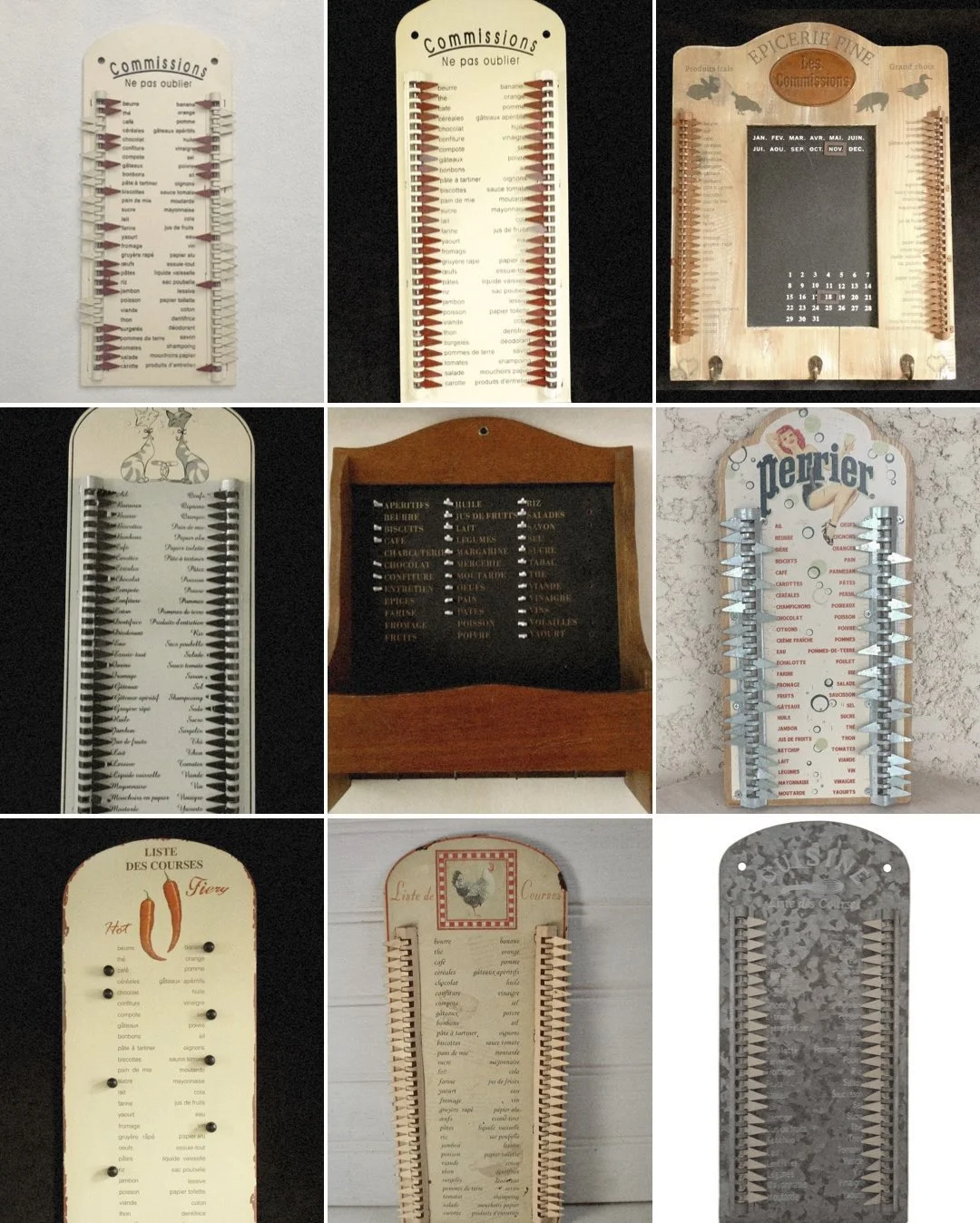
Note: I earn a (very small) commission from secondhand items sold from this post. Photos are © the individual shop owners.
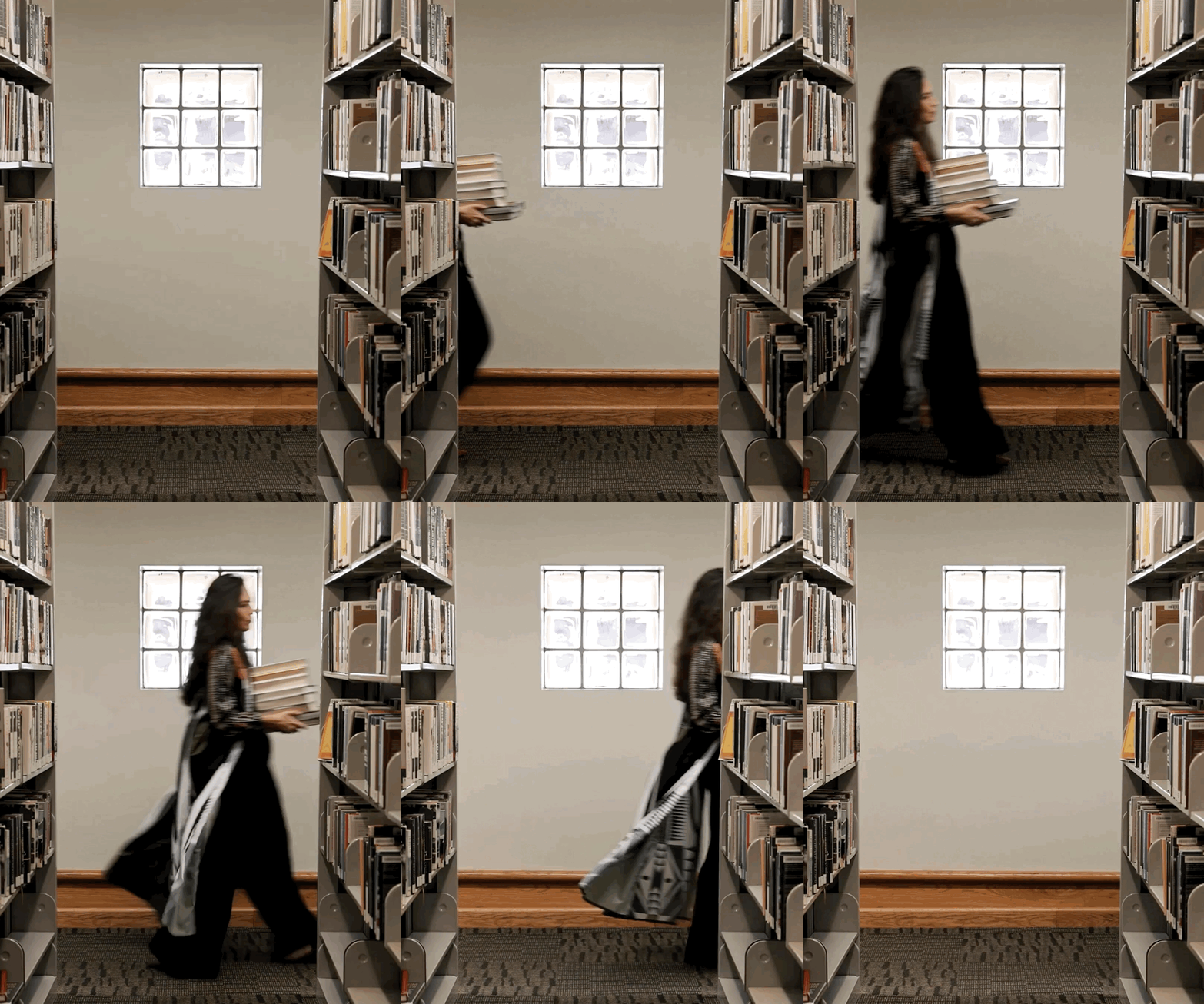
A Personal Ode to Public Libraries
How public libraries have directly impacted my design philosophy, consumer habits, and our family
Earlier this month I found myself tiptoeing alone through the public library with my tripod and camera, trying to discretely capture a particular visual that had long been brewing in my mind. I’d hoped to use the footage to help spread the word about Library Card Sign-Up Month, an event that takes place every September in the United States in tandem with the start of the new school year.
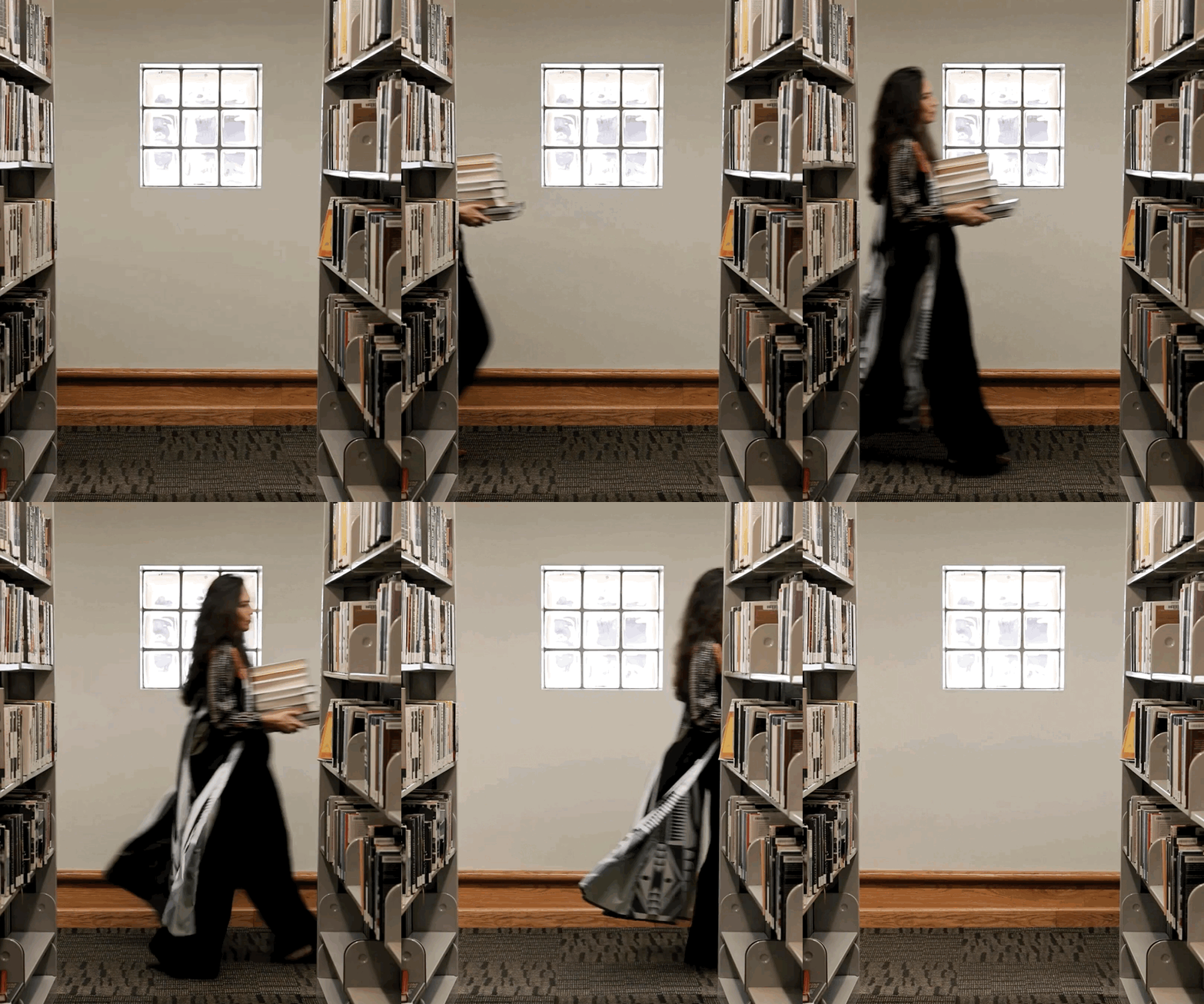
Unfortunately, the library’s sign-up campaign kickoff is often drowned out by concurrent and omnipresent “back-to-school” consumer festivities. Yet as retailers loudly inundate children and caregivers with the latest trends before clearing store shelves for Halloween candy and decorations, a library card quietly remains one of the most timeless, useful, versatile, accessible and cost-effective back-to-school supplies available.
In the past 2½ years alone, local public libraries have saved my family a whopping $24,000.We’ve borrowed hundreds of books, reserved private study spaces, checked out STEM kits and sensory toys, attended special community events at various branches, and more.
But it’s not just about the money— the library has saved our family so much space.

Sharing Responsibilities Across Family Lines
It’s the stuff, but it’s also a lot more…

We visit our public library A LOT. And one of the things you can’t miss in the children’s section is the enormous number of books centered around the topic of sharing. Throughout their childhoods, we remind kids repeatedly how important it is to share. But something about the messaging is often truncated, limited to tangible items like toys or supplies.
What about sharing workloads?
Time?
Energy?
Ideas?
Don’t get me wrong, I’m all about sharing things and reducing the sheer amount of stuff we buy and store within our bursting homes. But…


Feature: Better Homes & Gardens Podcast
Regardless of square footage, having a versatile home is key.
Recently I had the joy of chatting with the folks at Better Homes & Gardens via their podcast, The Better Buy.

In the episode, we discuss designing limited square footage to multitask for your household, blending the outdoors seamlessly with your space, and taking an eco-friendly lifestyle seriously—from home renovation to everyday habits.
We also chat a bit about about the French Farmhouse, cottage and greenhouse.


Thanks for having me on the show, BHG!
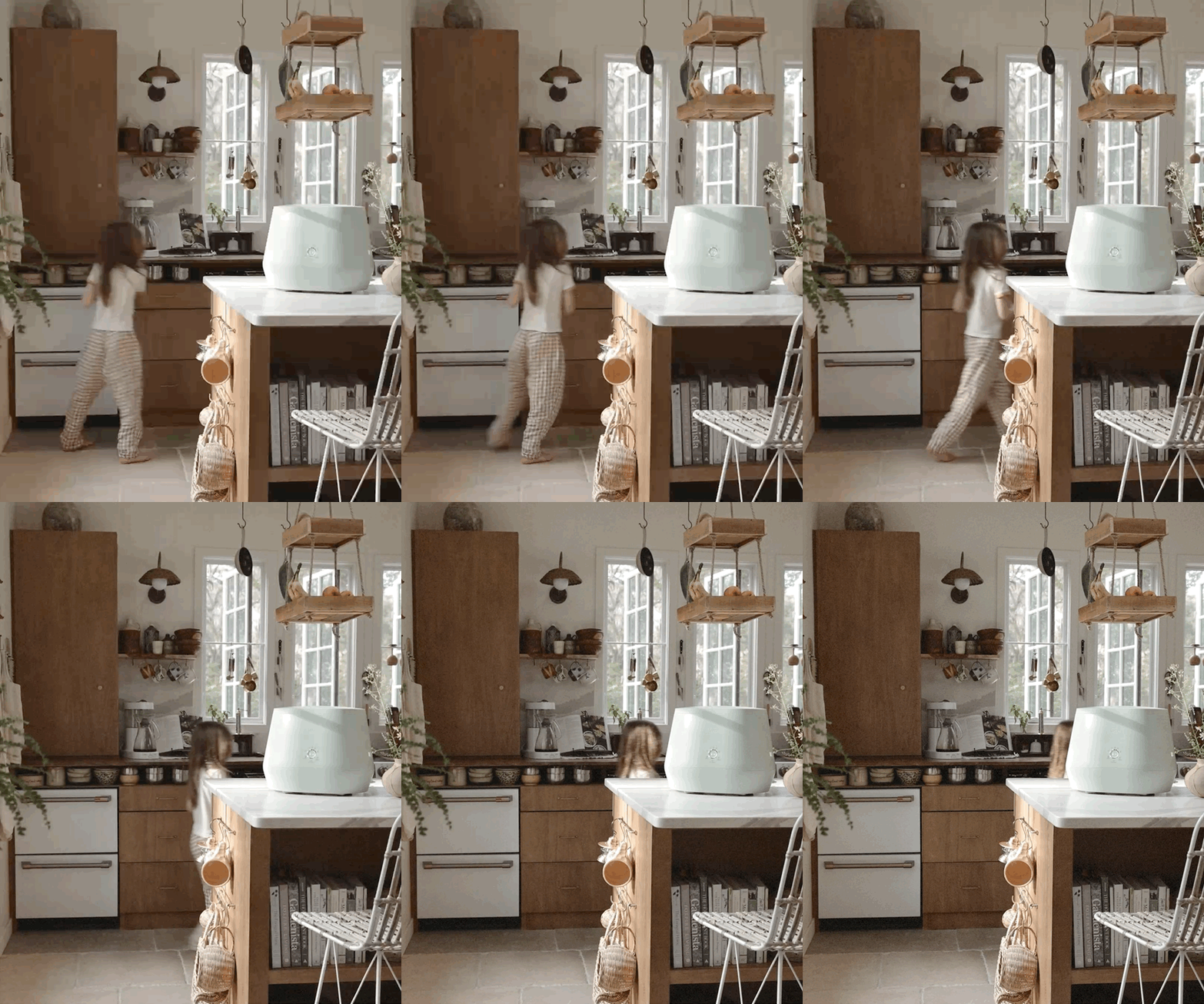
A Carbon Negative Kitchen Appliance with a Positive Impact on Soil Health
Imagine what our world would look like if, at the end of its life cycle, everything nurtured this magnificent earth as nature intended…
What if the world was waste-free? After all, there is no “waste” in nature — humans are the only species that create trash.

Food waste is one of the greatest contributors to climate change, and over 40% of that waste occurs at the household level.

But we have the ability to change this. Food waste is not really waste when it’s handled mindfully.

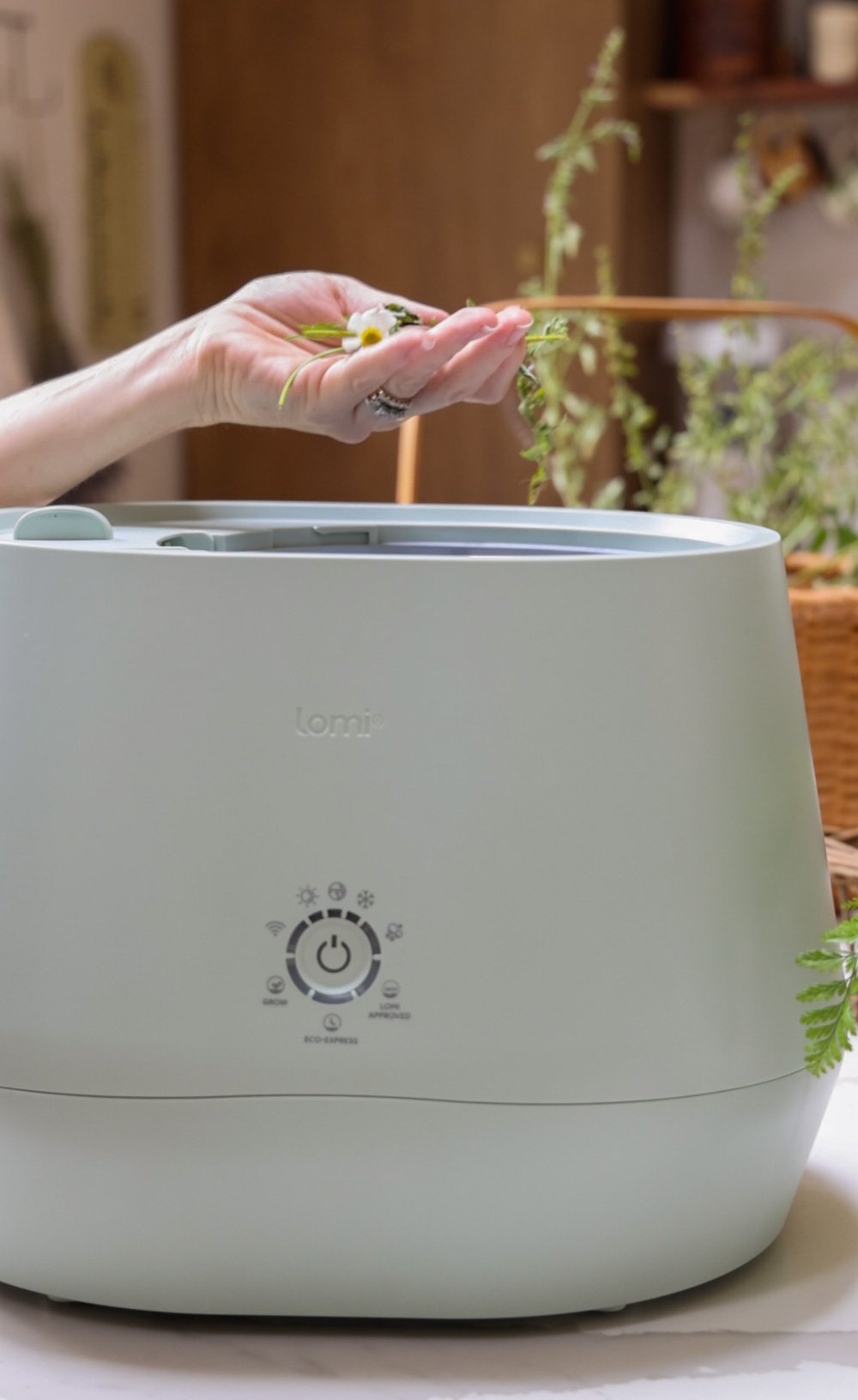
Instead, no matter where you live, food waste can become sustenance for nature, contributing precious natural resources back into the earth. Now, at the push of a button.

The Lomi Bloom is the only carbon negative appliance, and it can turn fruits, veggies, plant trimmings, yard waste, animal products, grains, and more into nutrient-rich plant food that supports healthy soil and its regeneration.


Lomi Earth — the result of Lomi’s “Grow” mode operating cycle— produces nutrient-rich, organic fertilizer that’s perfect to use on houseplants and gardens. When the Grow cycle is run with a LomiPod, the end result is packed with vital microbes to support plant health, and can also be sprinkled on lawns to improve soil health.

As we know, healthier soils store dramatically more carbon than degraded soils. When Lomi Earth is mixed with other soil and used to grow plants, the organic carbon in Lomi dirt is partially sequestered in soil and as plant matter. As such, not only are we able to avoid the harmful emissions of landfilling food waste, but we can also help sequester additional carbon.

Not only does Lomi Bloom reduce our carbon footprint and enhance our positive impact, it also rewards users in additional ways with every use. Via Lomi’s app, users can track their Bloom’s impact, and receive rewards like Lomi products and other useful, eco-minded items that can help us curb household waste.

Imagine what our world would look like if, at the end of its life cycle, everything nurtured this magnificent earth as nature intended…

Thank you to the wonderful folks at Lomi for supporting our small business by sponsoring this post. All opinions and photos are my own.

Managing Mosquitoes in a Healthier & more Sustainable Way
Growing up in Florida and eventually living along the canals in Venice, California, my partner and I are no strangers to mosquitoes. Now, being back in the woods of the muggy southeast, we’re once again faced with a sudden and intense mosquito season. After getting bit on the eyelid the other day (a first for me,) and watching my eye swell for two days, I figured it was time to break out my preferred gear for managing the bugs for our home and family. Here are my favorites, including my new MVP from an ethical, low waste brand that I’ve long adored.
Mosquito Repelling, Plant-Based Lotion Stone
Click here
Why I like it: This lotion stone is easy to apply, works, and feels good on the skin. Plus it’s a very low waste product with minimal packaging and zero plastic.
About the stone: The Kate McLeod Dusk Stone is a bar that melts on contact, and is comprised of simple yet powerful ingredients that are full of antioxidants and fatty acids to heal and soothe skin while acting as a natural insect repellant. It’s a highly concentrated formula made without water, synthetics, or alcohols.


Insect Shield Clothing
Click here
Why I like it: I keep our insect shield scarves wrapped around our sun hats so we never forget them. This insect shield clothing can help reduce overall pesticide and repellent use, and puts the repellent next to your skin rather than on it. All dye colors are non-toxic and processed in a closed loop water system that recycles 100% of the water used in processing.
About: Pang Wangle Earth-friendly, Insect Shield® clothing repels mosquitoes, ticks, flies, fleas, chiggers, ants, midges. It's EPA approved for everyone, including infants, pregnant or nursing women, even pets.

All Natural Repellent for the whole family, including pups
Click Here
Why I like it: This family-friendly, all-natural bug spray, which comes in a stainless steel canister that we reuse, was developed for the humid, hot, swampy, bug infested climates of Florida.
About: Beat It contains no deet, no chemicals, and no artificial ingredients. It can be used on babies, children, pregnant women, AND pets. Beat It repels ticks and fleas on cats and dogs and keeps flies off horses.

Bee-Safe, Non-toxic Mosquito Repellent Sticks
Click here
Why I like it: The smell of this bee-safe formula doesn’t bother me the way citronella sometimes does, and the sticks burn smoothly for over 2 hours.
About: Madison James Flyaway Sticks keep away mosquitoes, horseflies, hornets, and the common fly, without hurting bees. They’re made in limited batches in the USA with highly effective ingredients, and are hand-packaged in a repurposed farm feed bag.

Soothing Bite Balm
Click here
Why I like it: Our 6 year-old has long appreciated this soothing balm, so we add a dab here and there when necessary. And I like that it comes in a tin rather than plastic, and it made by a Certified B Corp.
About: Murphy’s Naturals Bite Relief Soothing Balm uses soothing ingredients, like andiroba, eucalyptus, and chamomile oils. 2% of all sales goes back to communities working to better people and the planet. Murphy’s Naturals is a 1% For The Planet member, which means 1% of all revenues help fund environmental organizations.
Citronella Incense Hanging Coil
Click here
Why I like it: This is what we use if we have a larger outdoor gathering. It’s pretty, has a large coverage area when suspended high, and is nontoxic to people and animals.
About: This Fredericks & Mae Citronella Incense Hanging Coil lets off a slow-and-steady stream of citronella-infused smoke with the lemony scent of citronella
A Fan + Plants
There’s nothing more annoying than hearing mosquitoes buzz around you overnight, knowing you’ll wake up with welts. We sometimes point a fan towards the bed with a potted lavender plant situated behind it to help prevent the buzz and bites. (Not sure how much the lavender helps, but it smells amazing.)
Long Linen Clothing
When in a hurry or a pinch, we fall back on long linen clothing. It helps block the sun and shield somewhat from mosquitoes, while allowing our skin to breathe in the intense summer heat and humidity.