
Greenhouse Garden Plan
Note: This is a follow-up entry to our recent Climate Action Landscaping post.
When mapping out the design of our new greenhouse, it was important to me that the land beneath and surrounding the platform become a thriving outdoor space that protects biodiversity, grows food + medicine + pollinator habitat, builds soil, and restores the water cycle. For insight on how to accomplish this, we turned to our friends at Shades of Green Permaculture.
Via a 2-minute video, I provided Shades of Green with a tour of the land, and communicated my goals for the outdoor space. In return, Brandy created the following plans, as well as the incredibly informative video embedded at the bottom of this post.
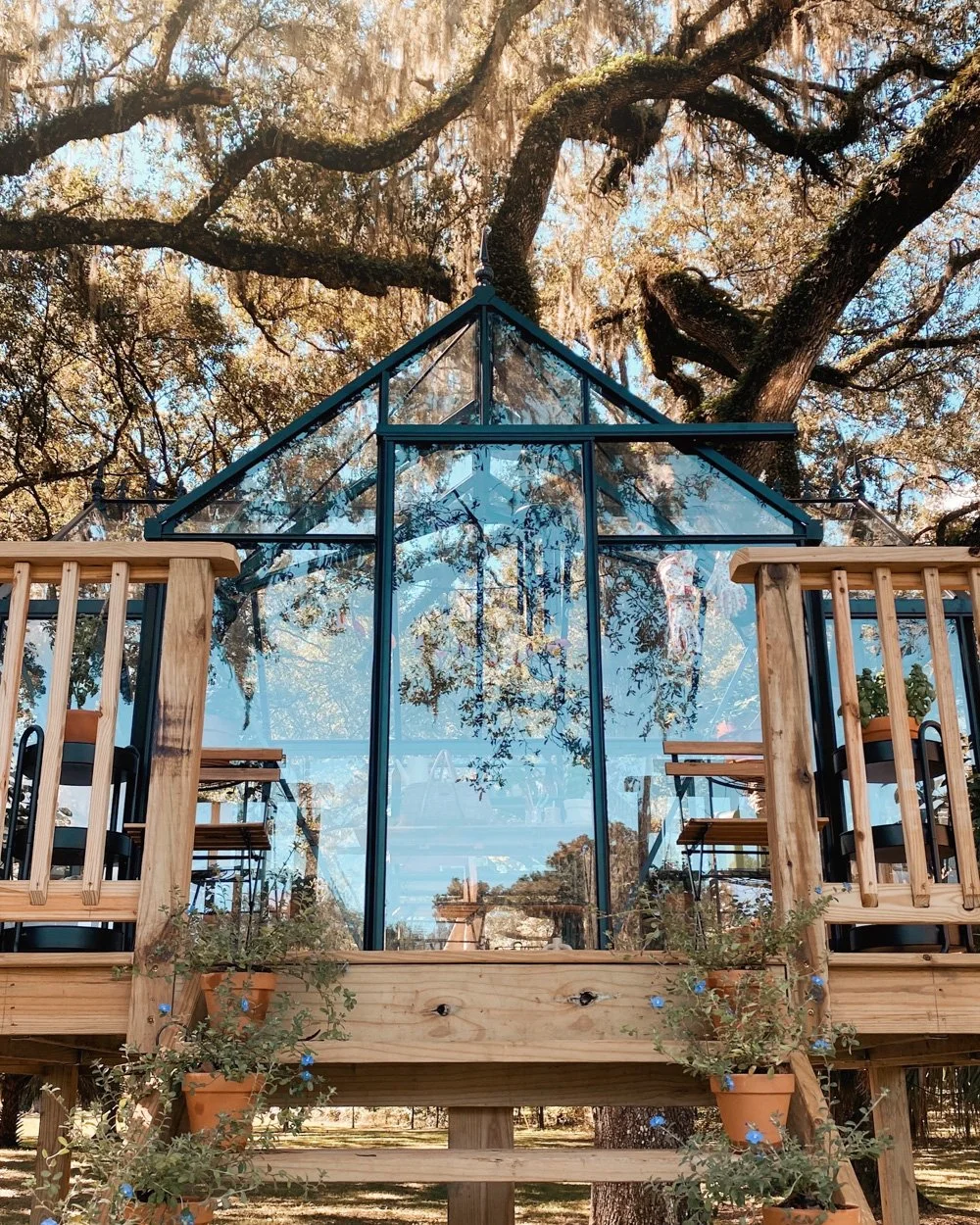
Our greenhouse, which was a kit we found here via The Home Depot.
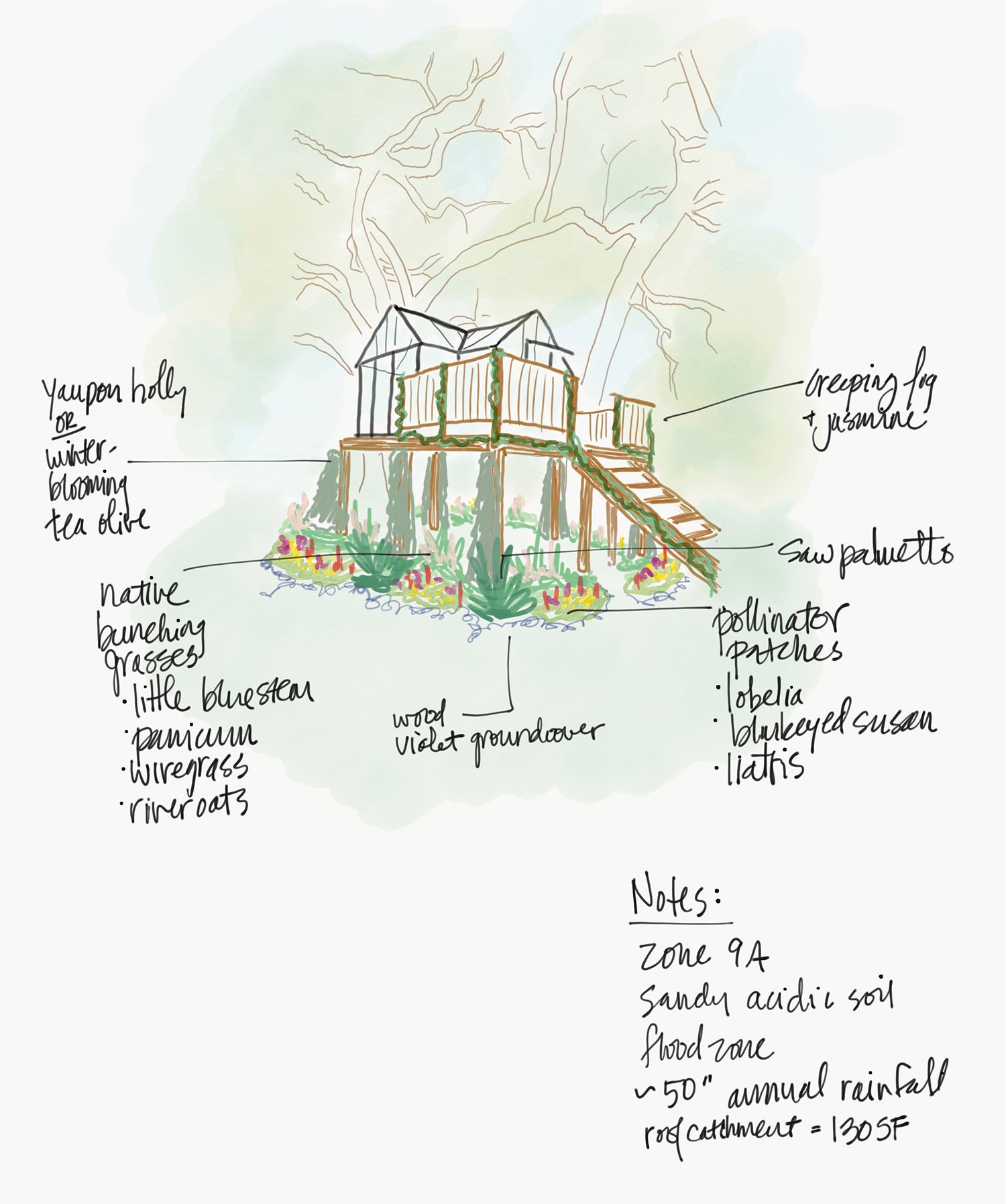

Adam and I hope to tackle this project immediately, prepping our fall garden starting this month. However, the entire scope of work will have to wait to roll out as our budget permits.
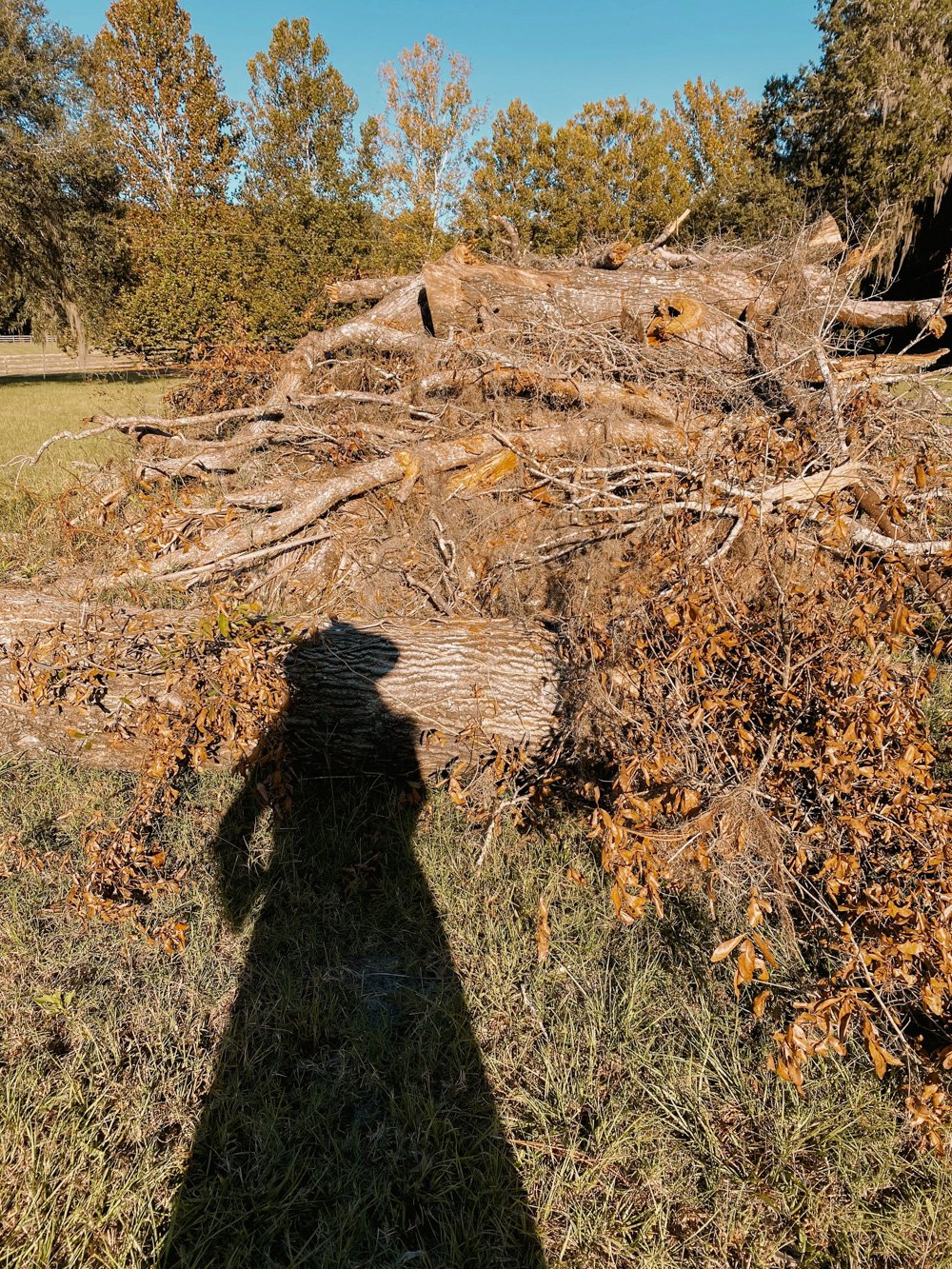
Our first step is to reduce our watering and build soil by creating hugelbeds, which are mounded beds that blend water management, debris management, and soil building into one strategy. We’ve already started gathering materials for the process:
If you steward any amount of land, you can transform it into space that has a positive environmental impact. Shades of Green Permaculture are offering a free, 1-hour training class entitled: Intro to Climate Action Landscaping. This training focuses on how a garden or landscape, no matter the size, can have a positive impact on the planet. And, if you find what you learn to be of interest to your home and lifestyle, Shades of Green Permaculture also offers an incredible Regenerative Backyard Blueprint: A step-by-step guide to transform your yard into an eco-friendly paradise.
We’ll share our entire process with you as it unfolds!

Learning about Regenerative Landscaping for the Home
Back in February, I wrote a post entitled Regenerative Small Space Living, in which I shared that I eagerly wanted to see what folks in small urban spaces such as ours can do to take less, give more, and create a future we choose.

At the same time, the pandemic began to spread across the globe, reaching the States just days later.

Above photo from the Cottage taken by Hilton Carter for WILD INTERIORS
In the entry, I shared the intended trajectory for our home and company: “I will continue to center my business upon sharing stories and solutions pertaining to living comfortably and contentedly in small spaces. After all, as humanity adapts to the necessary changes required to combat the climate crisis, we will need to learn how to better share, and live with less stuff (yet with no less abundance). Additionally, Adam and I are also diving headlong into learning about regenerative gardening and practices for small urban spaces. We want to be more than just a resource for comfortable and adaptable small space living. We’re also striving to be a resource for those who are interested in self-sufficient and restorative small space living, requiring less of the Earth, while also giving back to it.”

While we’ve certainly plunged ourselves into this work, the realities of the pandemic shuffled our plans for (re)educating ourselves, as well as our intentions to enroll our son in pre-school. As such, the back-to-school mentality that we’d embraced for all three of us went out the door, as we instead attempted to save whatever money possible, and explore the next steps we'll take as a family in terms of our living situation.

Related posts from 2020: Before & After: Turning our 8’ porch into a grow zone / Before & After: Creating an overhead canopy of vines
Of course as we scramble to reshape our lives (independently and collectively), the impacts of climate crisis remain, and the threats will only continue to increase exponentially in this crucial decade we’ve all now entered.

According to The Future We Choose, one of the steps we must take for survival is to create a greener planet in every space possible. Cities can become exceptional, with more trees, more parks for our children and wildlife, fewer cars, and plenty of urban agriculture. And every town -- no matter the size -- can look to Indigenous practices and wisdom, and embrace land care methods that give back to the Earth rather than poisoning and depleting it.
“Every vacant lot, every grimy unused alley, has been repurposed and turned into a shady grove. Every rooftop has been converted to either a vegetable or floral garden. Windowless buildings that were once scrawled with graffiti are instead carpeted with verdant vines… Things that used to be done individually are now done communally— growing vegetables, capturing rainwater, and composting… In community gardens, on rooftops, at schools, and even hanging from vertical gardens on balconies, food sometimes seems to be growing everywhere.” - The Future We Choose: Surviving the Climate Crisis
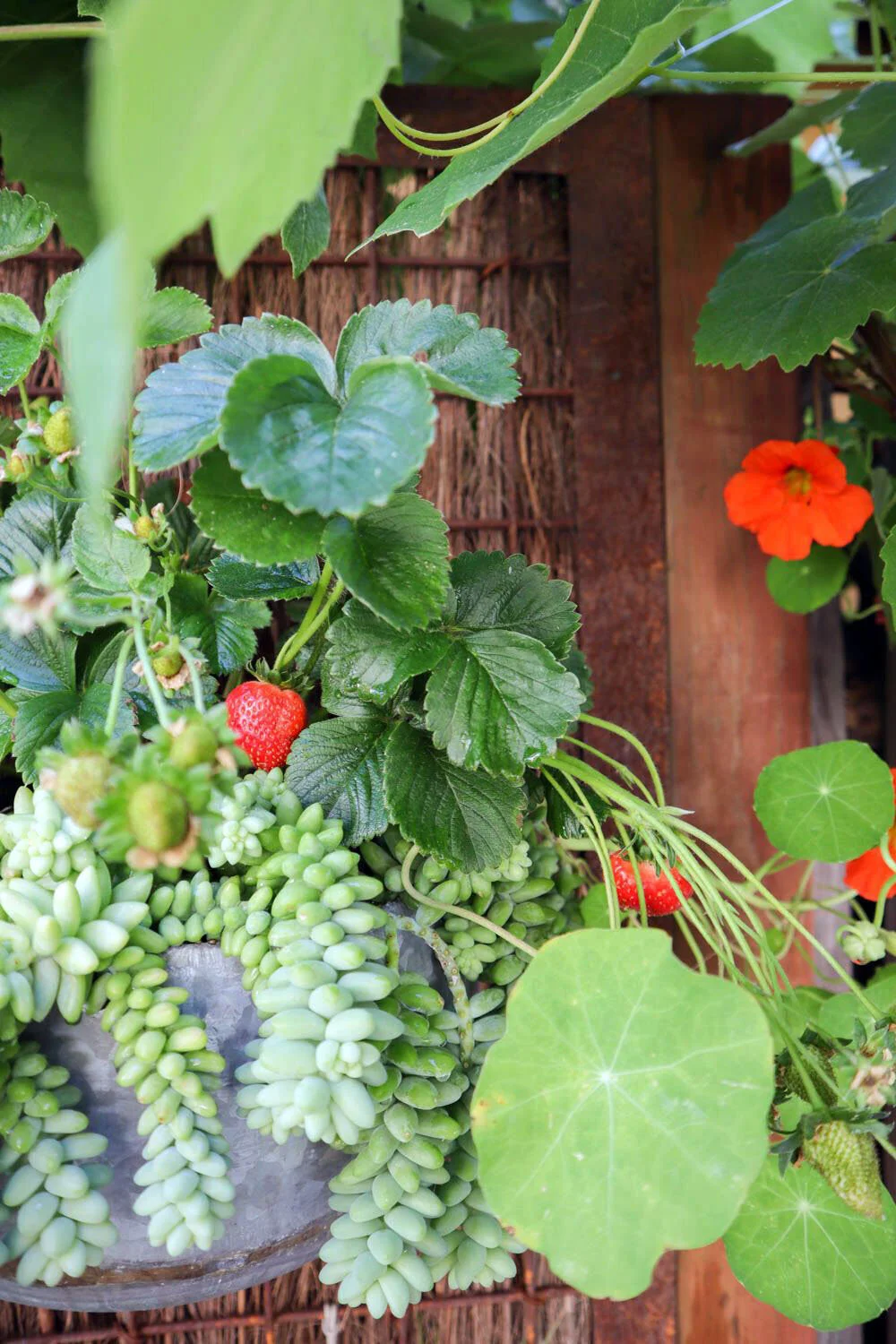
As we’re still unable to visit our libraries here in Los Angeles and cannot go back to school as planned, and since we’re navigating the realities of being home together 24/7 for the even-longer run, we’re figuring out other ways to further our education.

Above photo from the Cottage by Lucia Doynel
Shades of Green Permaculture is opening up a new online masterclass that we aim to take in January. Shades of Green is a regenerative landscape design, build and education firm in Atlanta, GA, and is Woman-Owned, a Certified B Corporation and member of the Sustainable Sites Initiative. For over 10 years, Shades of Green has designed and installed regenerative outdoor spaces for commercial, residential and municipal clients that contribute to protecting biodiversity, growing food, medicine, and pollinator habitat, building soil, and restoring the water cycle.

The course, The Regenerative Backyard Blueprint, is a 13-week step-by-step guide to transform participants’ yard into an eco-friendly paradise. The course is designed for those with a residential urban or suburban outdoor space who are looking to gain practical skills in permaculture, resilience, nature connection, and ecology.
The course is intended for folks who:
live in an urban or suburban setting and want a sustainable outdoor space but aren't sure where to begin.
want to grow food, including fruit trees, berries, nut trees, vegetables, culinary and medicinal herbs.
want to help conserve and bolster our pollinator and songbird populations.
want their garden to contribute to the climate solution, and are ready for their landscape to reflect such values.
are ready to plan their outdoor space, no matter how small, so time in the garden can be enjoyed with the knowledge that it’s a healthy and organic environment.
are parents who want their children to know where their food comes from and feel connected to the environment.
are capable of doing some or all of the work, but need direction and help figuring out what actually applies to your a residential-scale project of their size.

Beginning January 4, 2021, participants can expect seven immersive course modules, how-to videos, construction diagrams, implementation tools, virtual site visits, and weekly live Q&As with Shades of Green Founder and Managing Director, Brandy Hall.
For those interested in learning more about the course prior to signing up, Shades of Green is releasing The 3 Pillars of a Regenerative Landscape, a free webinar series starting December 8th.

“Green space is beneficial for community health, happiness and overall success. However, there is significantly less public green space in low-income and BIPOC communities.” - @intersectionalenvironmentalist
I look forward to learning how to improve our own backyard, and I harbor the hope that one day — sooner than later — we’ll all better understand how to transform our towns into places where everyone has access to green spaces and green foods.
