
How to Make a Pop-Up Play Zone in a Small Space
Read more about establishing play zones for children in compact homes and outdoor spaces via my book, Small Space Style.
Living with kids in a small space can be a unique challenge. But it’s possible to nurture imagination, respect boundaries, and even remain organized when approaching the design and decor of a compact home with inventiveness and consideration.

I’ve long enjoyed creating pop-up play zones for my children in our various environments. Not only does this activity create a “new” area (without spending money or acquiring more items) for the little ones to enjoy, but it’s also playful way for me to start the day, as it feels like a creative warm-up exercise.

Even the smallest stretch of square-footage can be temporarily transformed into something special. (I’ve found this to be particularly useful on those long days when we’re confined indoors for one reason or another.)

Over a long weekend recently, I took 5 minutes to apply a few simple edits to the 3’ x 6’ space between our kitchen island and wall, turning it from a walkway into a play kitchen + art table + bird watching station for our 2 year old and 6 year old.

It didn’t consist of much— just two wall-mounted rails with hooks (for suspending items like an apron, food + tea set, lantern, and child-safe chopping tools), and a vintage folding chair and secondhand mini table with accents surrounding them.


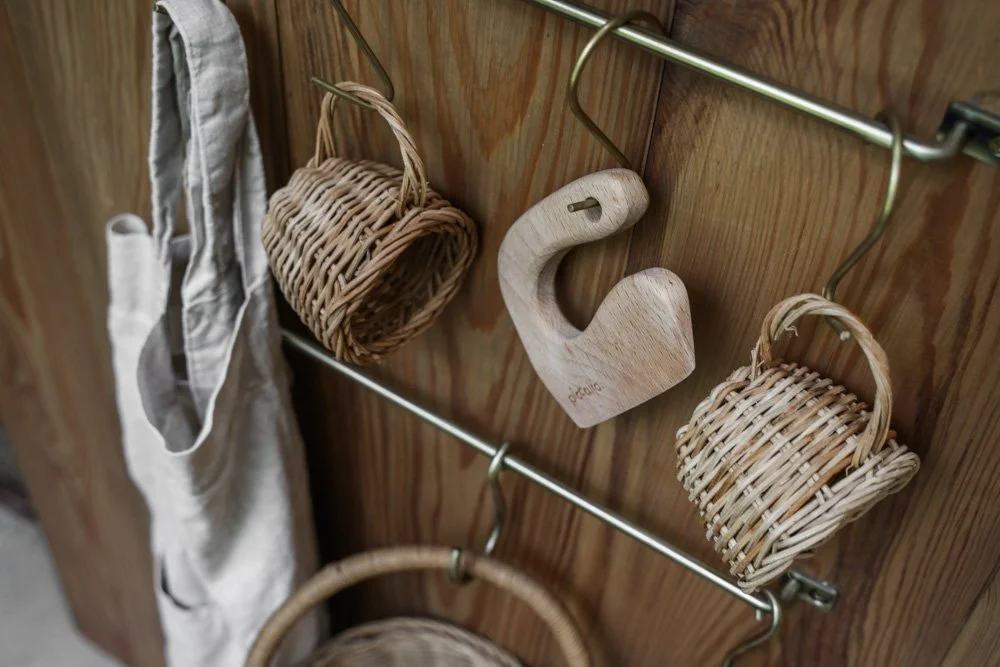
It was such a hit that I suspect we’ll leave everything out for a bit longer, or we’ll at least resurface the concept within a few week’s time.

As always, some of the key tools I use for creating such pop-ups include:
Vertical storage + organization for space-savvy layers of functional decor
Baskets for toting toys and accessories
Folding furnishings
Portable lighting


All items were repurposed from around the house, but when presented in this revitalized format, the kids enjoyed each of the pieces as though they were once again new to our household.
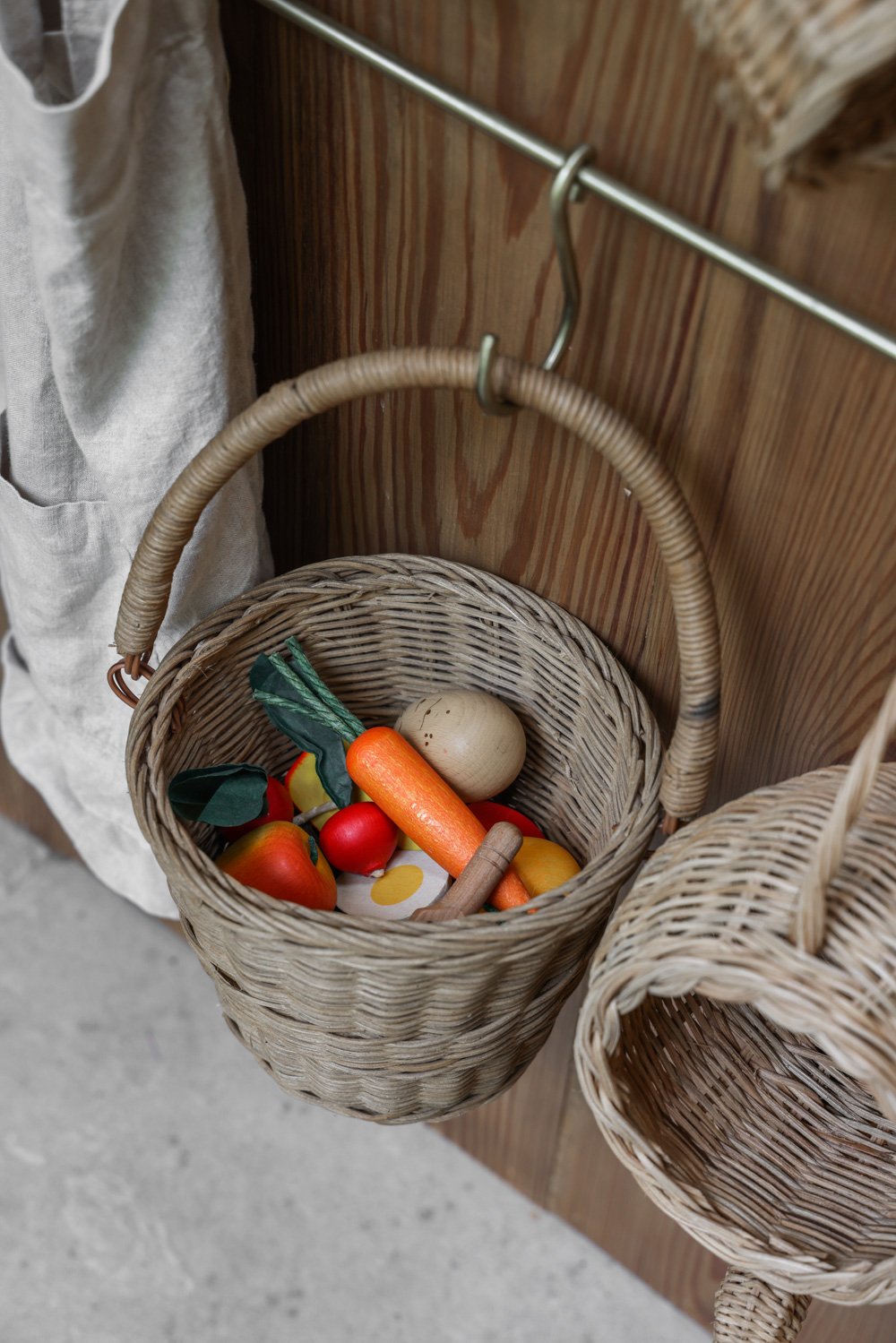
Here are some photos from this simple setup. And, as always, I invite readers to explore even more details regarding establishing play spaces for kids in small homes and gardens via my book, Small Space Style.

Back to School & WFH: Working & Studying in a Small Space
Post Summary: How to establish and maintain more efficient practices for working and schooling from home in compact quarters with a partner, roommate and/or kid(s) ever-present. (View a related 15 second video here.)
As the new school year approaches and folks around the globe are settling into the idea of potentially working and schooling from home for the long-haul, I thought it might be of assistance to some if I shared this updated post about how we managed our live/work/daycare/school practices here in our small space.

Below are several accessible tips I’ve learned over the course of a dozen years of operating a business full-time from small residences, including some newer points that I’ve adopted in recent years since my husband began working from home, and our son has grown from a baby to a toddler to a preschooler.
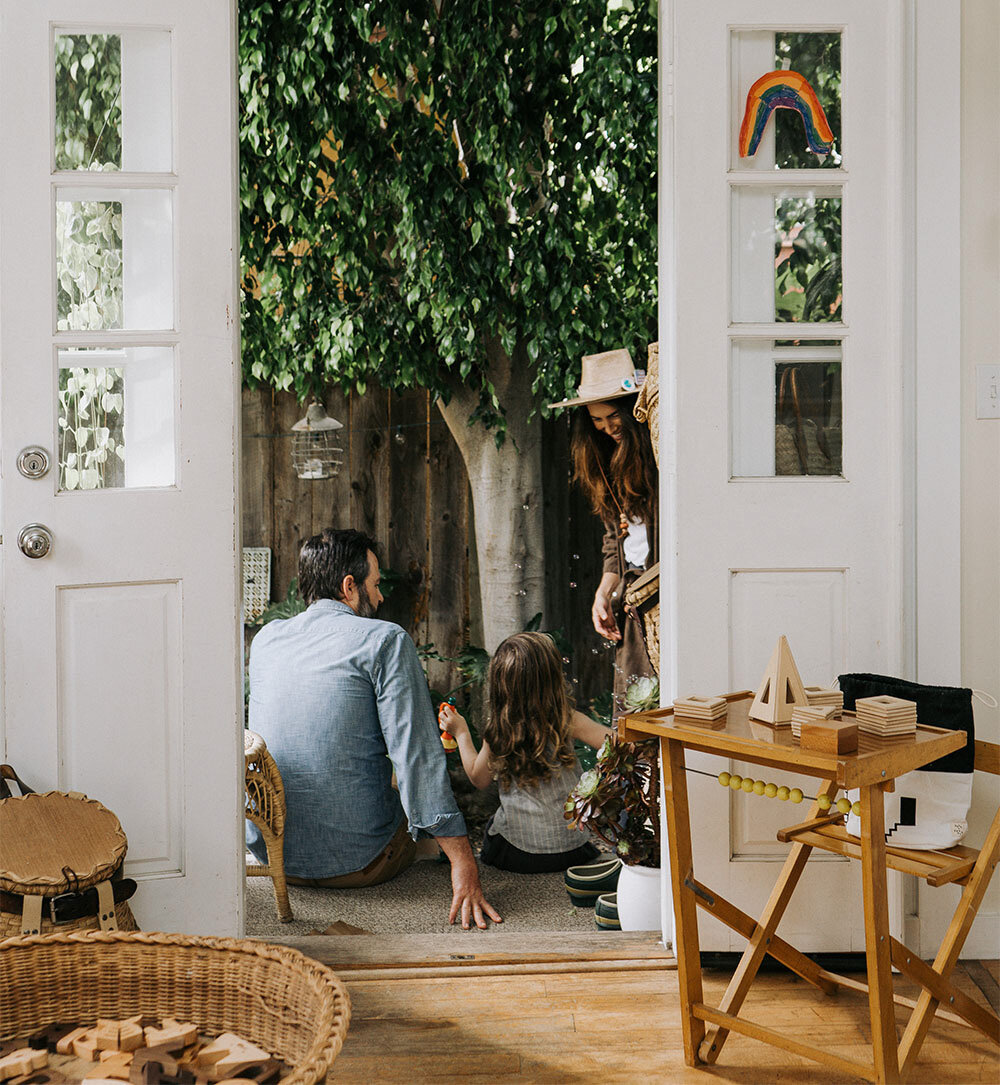
It’s my hope that these ideas will help you work and study effectively from a small house or apartment, whether you have dedicate space for a home-office and a home-school, or if you’re creating pop-up spaces.

Keep in mind that some days will undoubtedly be more challenging than others— there’s no magic solution to this juggling act. But the privilege of working from home during the pandemic is something to acknowledge and keep in perspective. So many people are out of work across the globe, and medical professionals, delivery personnel and workers tied to essential businesses are putting themselves at risk to keep the rest of us safe. Staying home— even if it’s not your preference— is important for our communities, so let’s make it work.
Make your bed
Studies show that people who make their beds tend to be more productive. But in a small space, I think that making the bed is doubly important. With limited square footage, the bed can become a useful surface for random tasks throughout the day, such as sorting/filing/printing papers.
Carve out time for self care
Whether it’s as simple as brushing your teeth and taking a shower— or more involved, like doing Yoga, making coffee/tea/a smoothie, putting on makeup if that’s your preference, and/or taking your pets for a (responsible!) walk, make sure to carve out time in your morning before work to accomplish the things you’d normally do before leaving your home for an office job.
Get dressed
I know this is often recommended to the point of exhaustion. Still, it really is helpful— even if you’re not on Zoom / FaceTime meetings during the day.
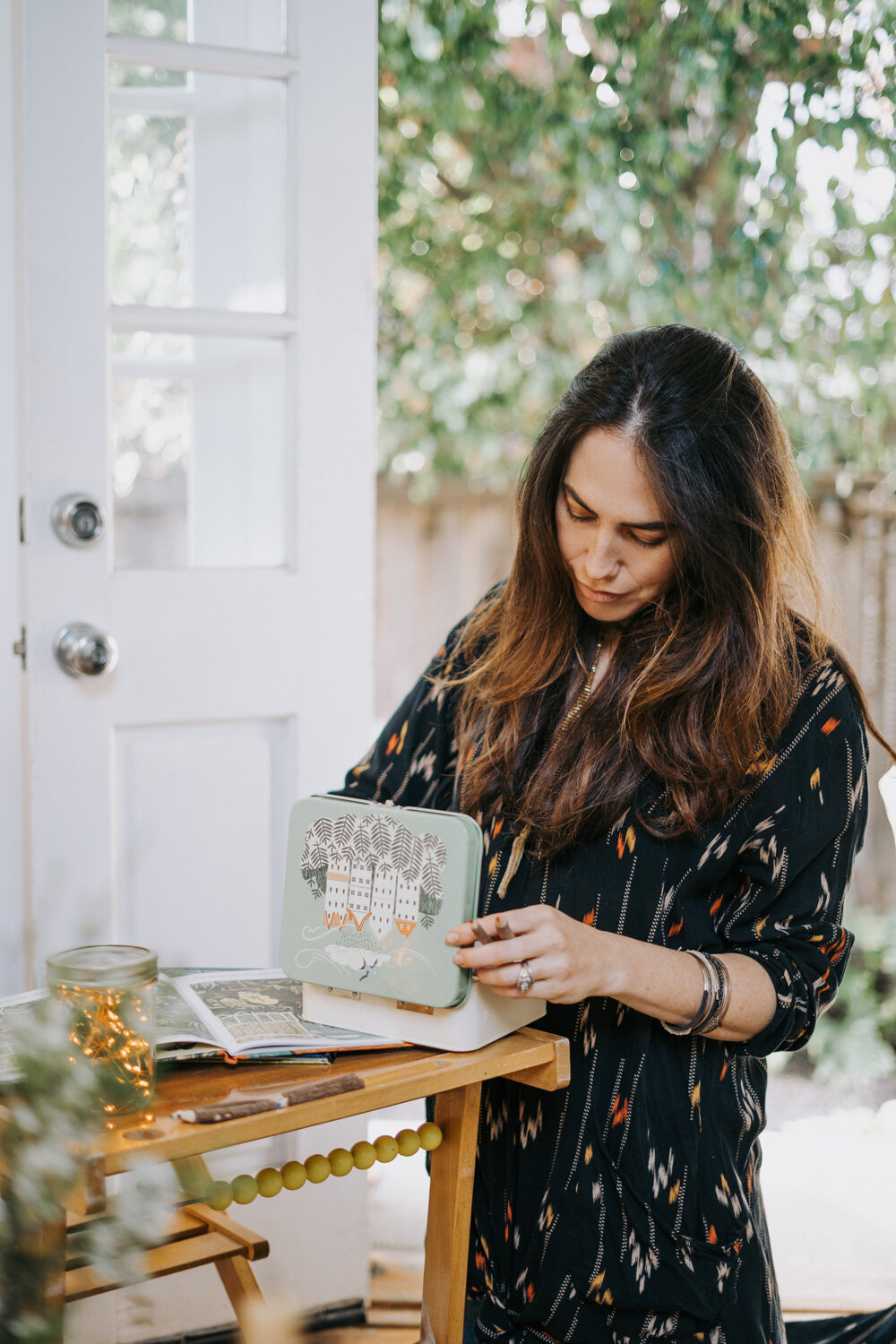
Set up a pop-up workspace (if you don’t already have a dedicated one)
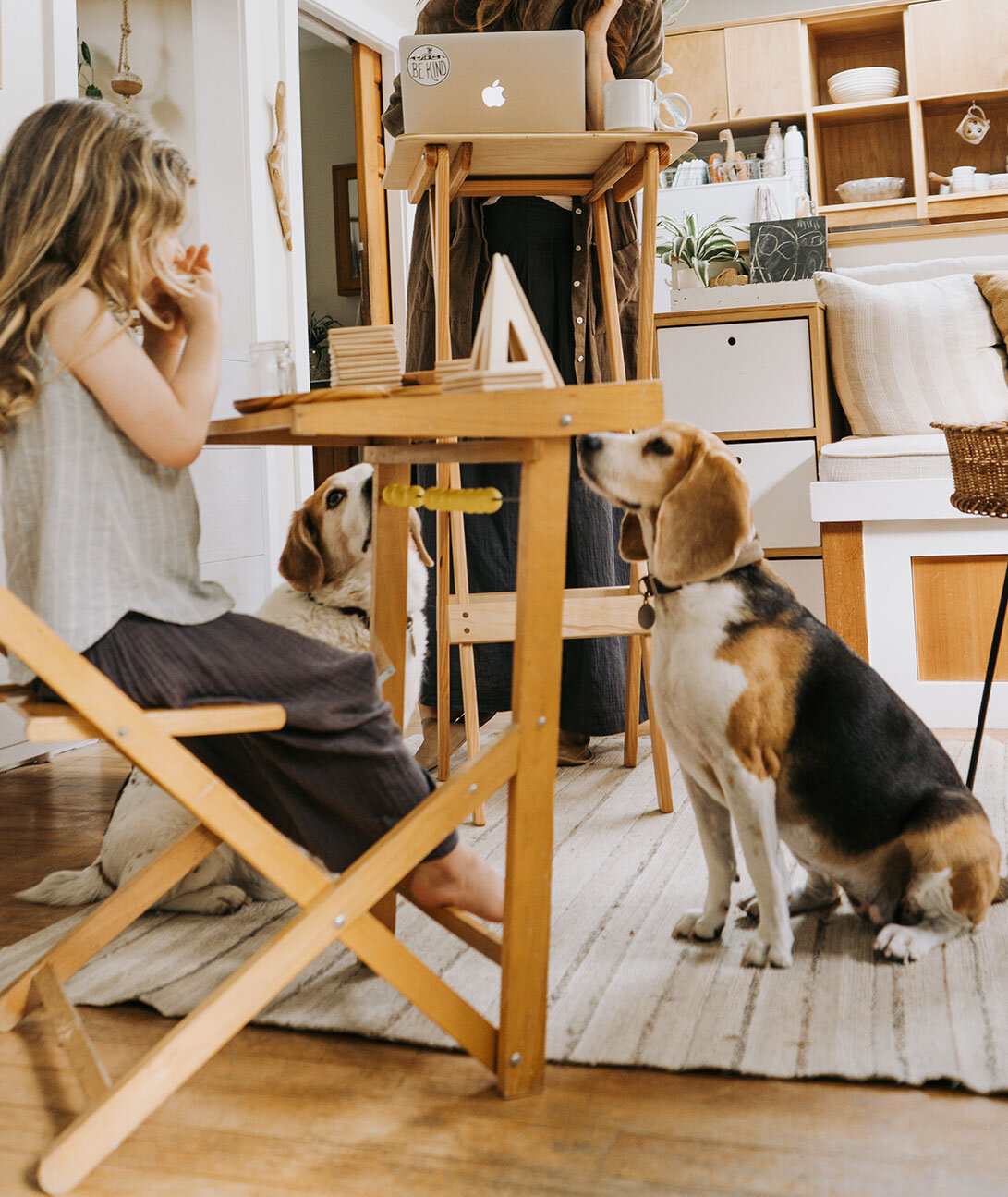
If you have a dedicated desk or dining table, fantastic. If not, create a pop-up workspace. Depending on your living situation, this might mean converting an end table into an office, employing a collapsible bistro table, or using a lap tray in bed. Whatever it is, set yourself up with the tools you’ll need throughout the day, so that you won’t loose your train of thought or productivity by having to get up and find supplies (and thus risk getting distracted) while you’re in a positive workflow. If possible, set up shop by a window, or place a mirror nearby to reflect the natural light from the closest window. It can be emotionally beneficial to get some exposure to nature and/or your community while you work.

Clock-in
Set a time to start and stick to it. I believe this is why I have been so productive at working from home over the past dozen years. When I first began working remotely, I had a client with whom I had to check in every morning at 8AM, and that obligation provided a me with a sense of formal structure, much like a standard office does.
Set your phone timer for scheduled breaks
When you’re working from home, it can be tempting to hop up and take care of chores around the house. Overall, it’s a great gift to be able to check off your personal to-do list while simultaneously addressing your professional duties. But the reality is that this can be distracting and derailing. Instead of succumbing to the urge to steal random moments to manage chores, set timers on your phone to coincide with the times of day you’ll likely need a brief break to stretch and use the bathroom. At those intervals, allot an extra handful of minutes for calling a friend, getting a snack, doing the dishes, watering the plants, tending to personal matters, etc. Let your parter / child / roommate know when these breaks are scheduled so you can touch base or get out of each others way if needed. When your timer sounds again to signify the break is up, back to work.
Try earbuds or noise-canceling headphones
Whether you prefer to listen to music, need silence, or simply can’t stand another minute of your housemate’s keyboard clacking, invest in a pair of earbuds or noise canceling headphones if possible.
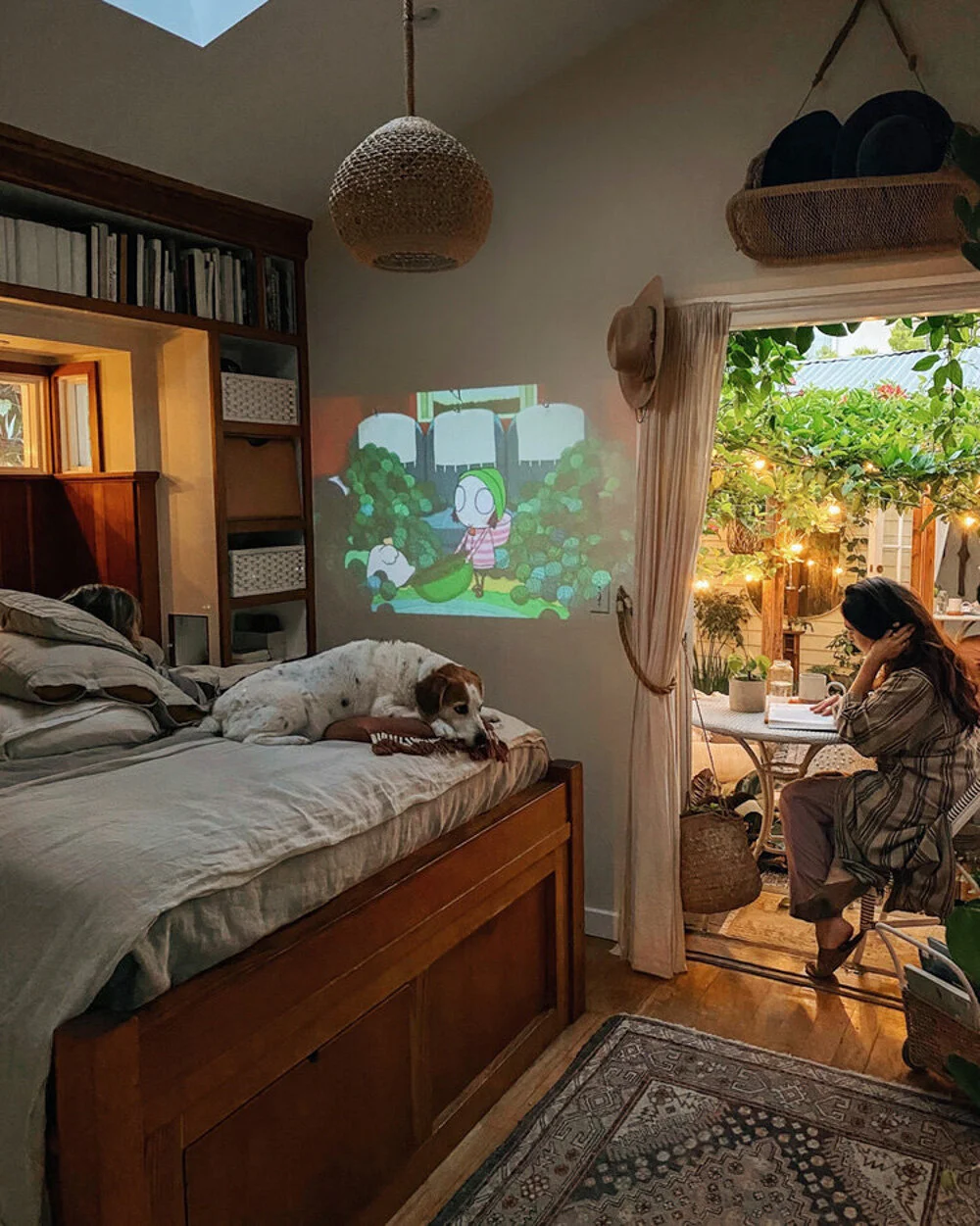
Consider a curtain or screen
It might be worthwhile to use a makeshift curtain, accordion screen or a room divider of some sort to cordon off your work zone. (There’s plenty more about this topic in my book, Small Space Style.) Beyond adding a sense of privacy, this can provide physical and symbolic boundaries for those with whom you share your home. It can also keep your eager eyes in check when they’re tempted to wander over to the snack shelf or laundry pile when they should be focused on your work instead.
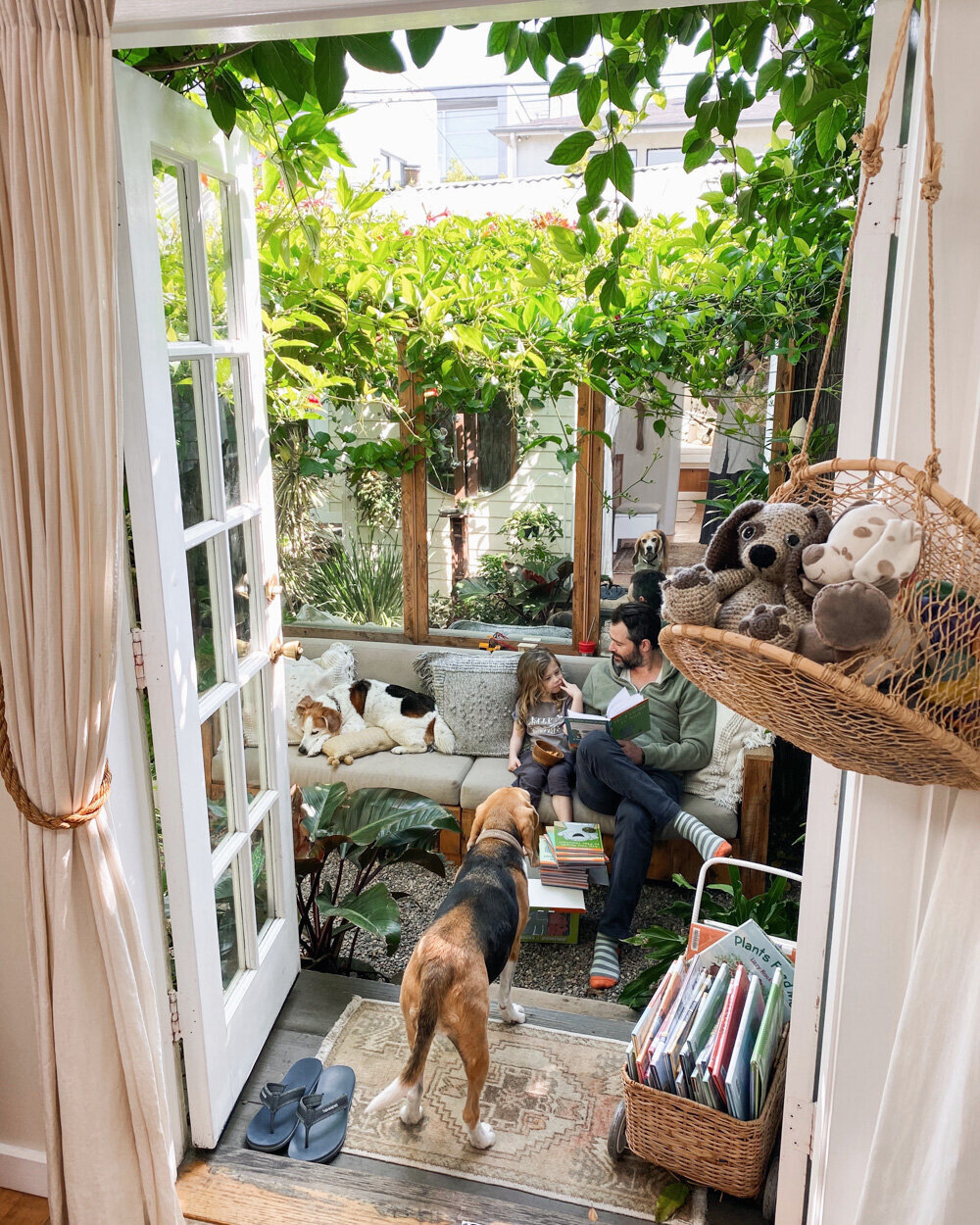
Practice In-House Texting
This might seem absurd in a small home or apartment, but consider texting your partner/roommate/etc. or asking them to text you if something needs to be discussed. That way you will see the text when you choose to look at your phone and can then respond accordingly, rather than being yanked abruptly from a focused moment. (Adam and I often do this, even though we live in under 400 sqft… it works.)

Explore storing your administrative supplies in more than one area if you’re feeling cramped
While it’s handy to keep your must-haves within arm’s reach (as mentioned in tip 4, above), you don’t need to cram ALL of your supplies into one area in your small home office. If you rarely use a printer but have one, perhaps store it somewhere else so that you don’t feel like your work zone is taking over your home. (Examples of this can be found in the IGTV video linked at the start of this post.) Same goes for bulky files, business tools, etc— especially if you’re sharing them with someone else in the home. Spreading accessories out will aid with storage, but it will also allow all parties to use the same items throughout the day without distracting each other when crossing zones to borrow this-or-that.

Temporarily delete apps that distract
If you’re tempted to check non-essential apps on your phone, consider deleting them during the work day, and reinstalling them after you’ve “clocked out”.

Clock out
Just like clocking in, a clocking out routine can be useful for maintaining a live/work divide. Stow office items until the next work day, freeing up your home for personal activities and family time.
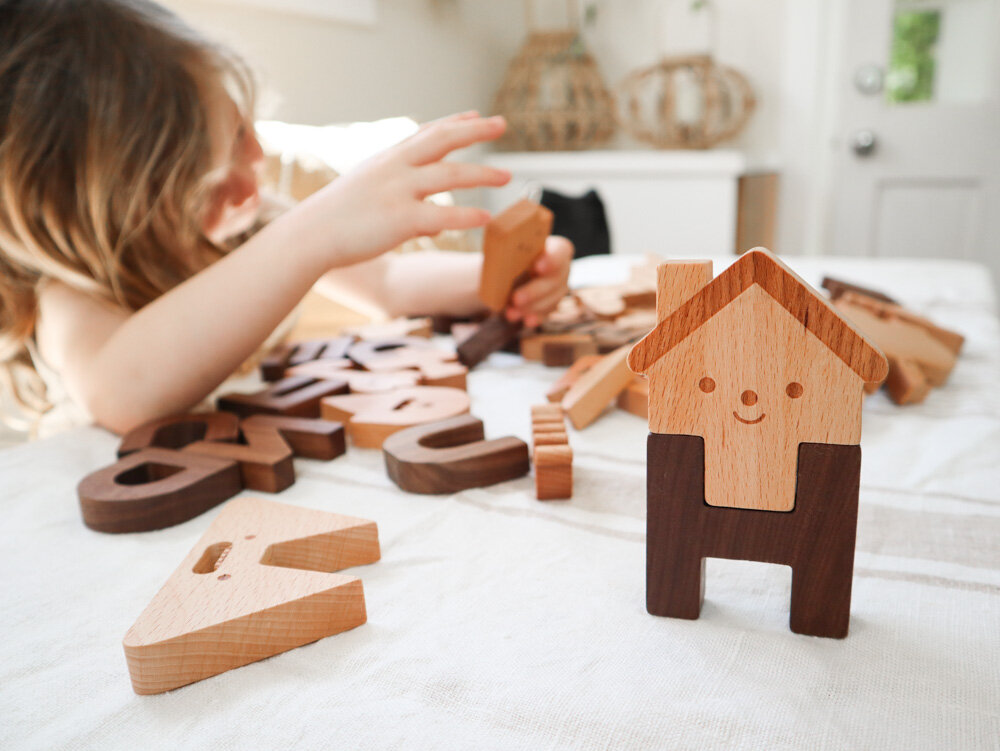

The night before, set up an activity for your kid(s) for the morning
If you’re feeling like the mornings are too hectic, analyze why. Do your kids need something to keep them safely occupied while you go about your self care routine and/or prepping your workspace? Perhaps plan and set up an activity for the morning that will keep them happy so you can stick to your schedule.

Prep Meals
If you find yourself hanging out in the kitchen more than you normally do, perhaps prep your meals and snacks in advance. This can prevent wasted time, and while potentially encouraging a healthier diet since we all need to keep our immune systems in check while this virus circulates through our communities. Not only that, but preparing food in advance is a wise way to ration food within your household, limiting possible exposure from potentially avoidable grocery shopping trips and/or deliveries.
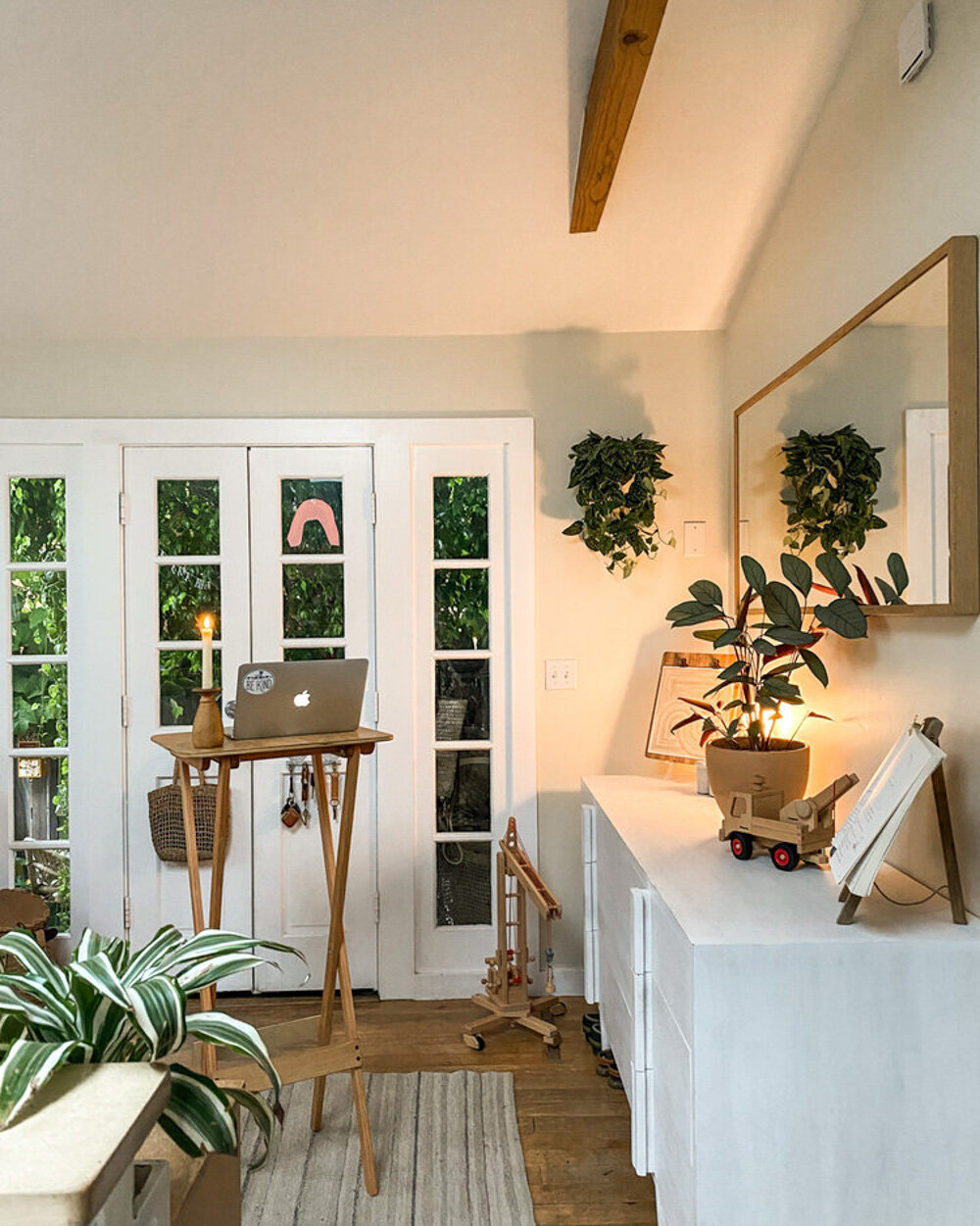
Remember: We’re all in it together. You’ve got this.
Select photos by Lucia Doynel.