Favorite Audiobooks for Kids
Who doesn’t love children’s books? Beyond being a source of endless joy and meaningful discussions in our household, this category of literature holds a special place in our work-lives as well. My spouse is a public library worker, and I volunteer with a local independent bookseller. In the past, I worked at a children’s bookshop, then moved on to specializing in children’s book art for illustration galleries and museum exhibition design.
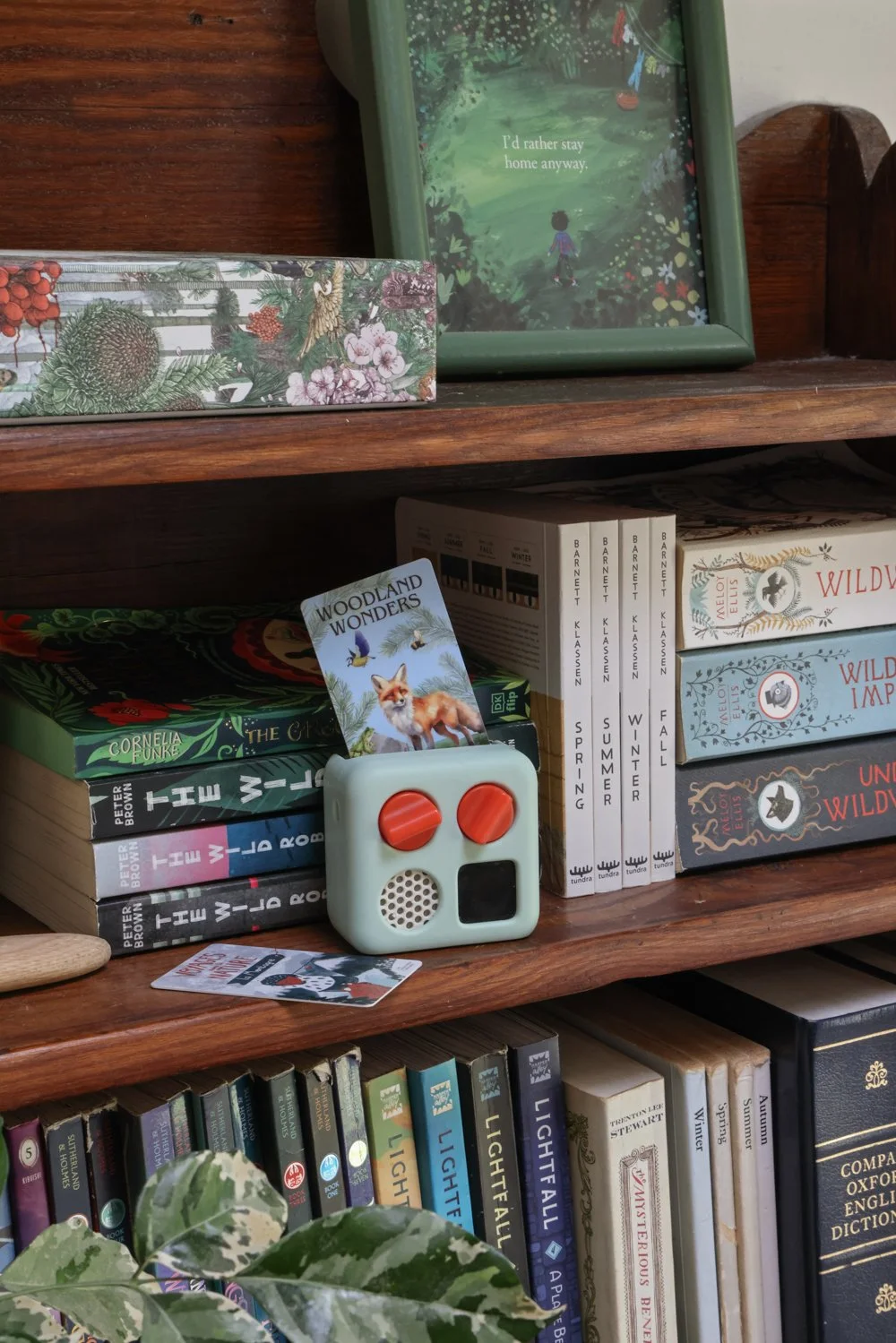
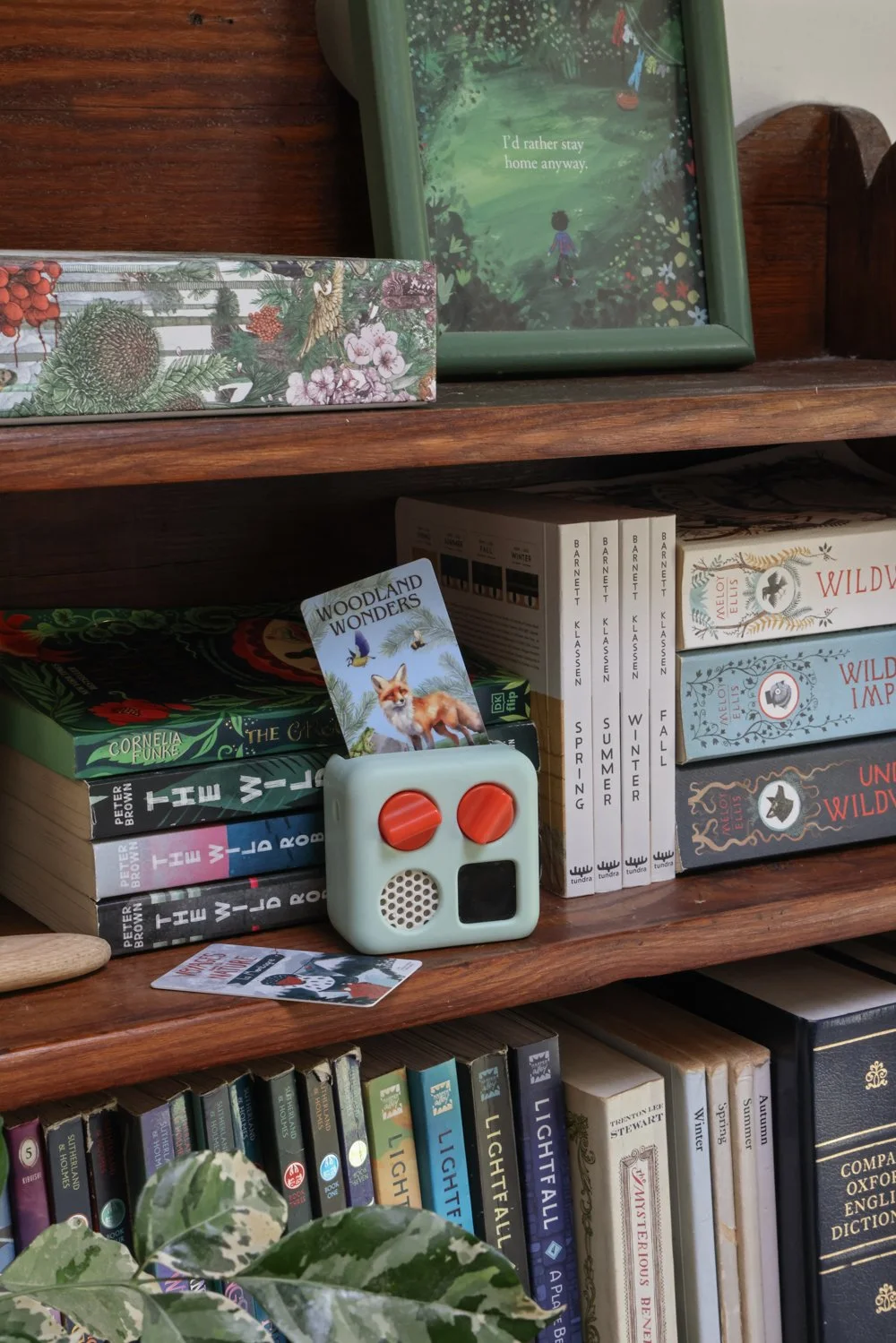
Our family prefers physical books, but audiobooks also get a lot of love in our home and when we’re on-the-go. Since we prefer to do as much as possible without screens, we rely heavily on the library’s Libby App, and on the Yoto Mini. Here are some of the Yoto cards the kids have been listening to lately. I’ve included a few links to past favorites on other platforms as well.
Recommended
Make Believe : On Telling Stories to Children by Mac Barnett (a new publication for adults)
Looking at Picture Books: Conversations on How Picture Books Work (for adults via Substack)
Sarah & Duck
Season Isle
ABC Adventures (Pre-K)
Note: Our little business sometimes earns a small commission from select links.

The Joy of Cracking Open a Can of Paint
Since the arrival of spring, we’ve slowly been infusing our little home with green and yellow.

Read the full post via my newsletter:


Create the Look: A Woodland-Inspired Kids Space
By request, here’s my latest Create the Look, which is geared towards crafting a gently woodland-inspired study + play space for children.

But here’s the thing— I don’t want everything I publish to be shoppable. I don’t wan’t to earn income by constantly encouraging people to buy more, when I know that most of us can (and should, for environmental reasons,) live with less.

What I do want is for folks to be comfortable, confident and content in their small homes or apartments, and to feel inspired by their space.

So here are some handcrafted items from independent storefronts that can help you bring the outdoors in for your little ones.

More Than a Greenhouse
Summary: How 114 square feet -- and the kindness surrounding it -- made me feel safer in an uncertain time. (Thoughts on Giving Tuesday and supporting The RightWay Foundation)

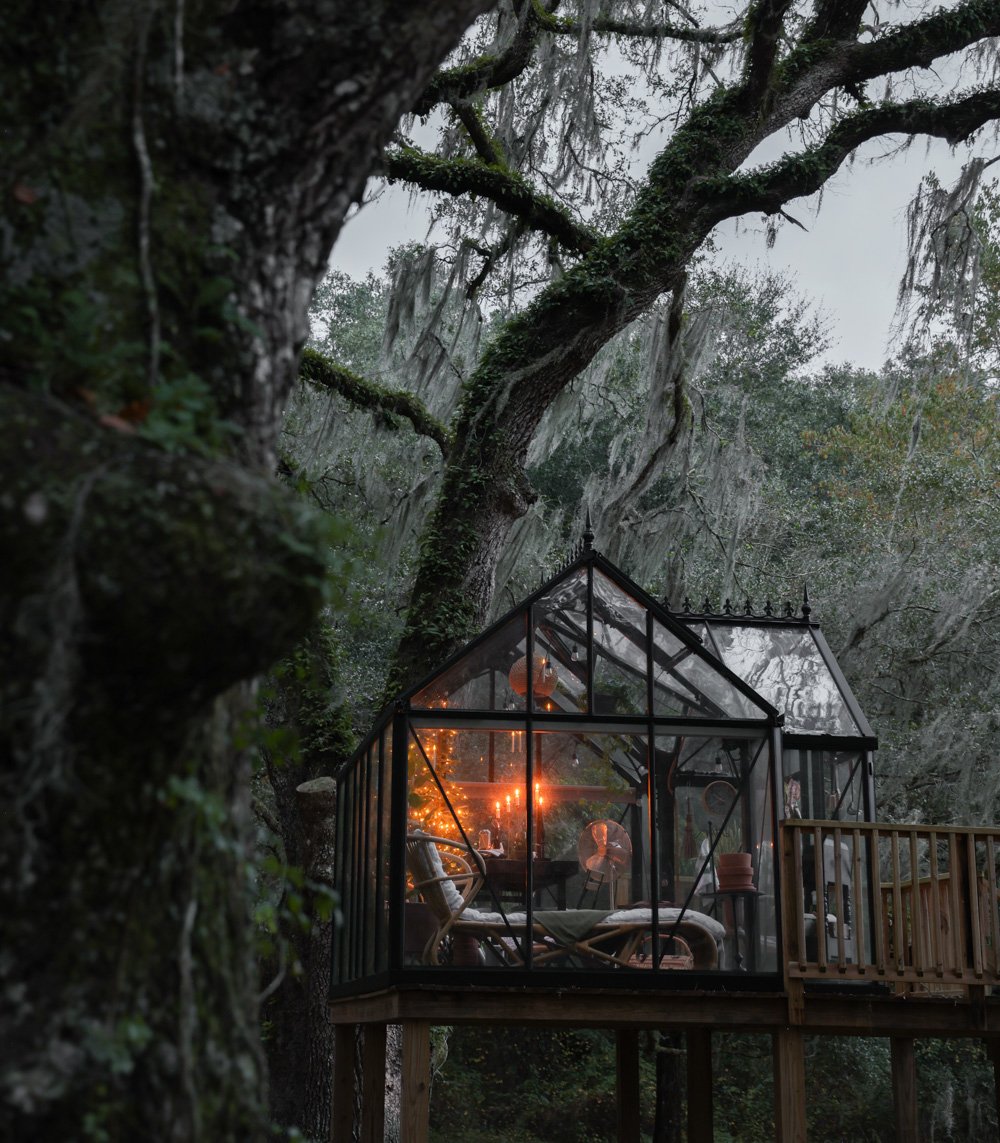
We constructed our 114 square-foot greenhouse two and a half years ago. Despite the structure’s small size and the fact that it’s not connected to water or electric, it still needed to jump through the hoops of permitting, as it’s located in a preserved natural + wildlife area with high wind and flood risks. For this reason, we wouldn’t risk erecting the greenhouse on our own. We needed a professional who was familiar with odd building projects as well as the climate of the region.
No one wanted to take on the job. We were told it was too small and too strange. If anyone was going to consider it, it was going to cost us… a lot. Even if we weren’t already in the process of building our little home (which is technically a guest cottage), as well as renovating the Farmhouse we bought with our friends, the quotes were FAR out of the reach of my company. (I actually screamed when I read the first one: $21,000.)


Thanks... but no thanks! (Thoughts on Avoiding Unnecessary Gifts)
Because the best gift anyone can give our children is a healthy planet for their generation and those that follow.
Because the best gift anyone can give our children is a healthy planet for their generation and those that follow.
It’s the time of year… for unwanted and unnecessary gifts.

With the planet groaning under the weight of ever-intensifying consumerism, households feeling relentless financial strain, and families grappling with an excess of clutter in their homes, it’s time we more widely accept and respect one’s decision to firmly avoid giving and receiving gifts.
But how do we kindly tell a child’s relatives to stop sending toys?
What do we do about well-intended friends who insist on giving “something”?
What solutions are there for rehousing the unwanted gifts that inevitably make their way through the door, despite the recipients wishes?
And what are some unique gifts that won’t further contribute to overflowing households, and — inevitably— landfills, which have a greater impact on disenfranchised and marginalized populations?*

Wait - Do I Hate Hosting Now?
It’s not the space or the food. It’s the energy.
Don’t share this with any home decor magazines because I’d be out of a small but essential revenue stream for my small business and family, but these days I cringe at the idea of hosting.


It’s not our space— I designed it with hosting in mind.
It’s not the people— I (generally) love people.
It’s not the food— Adam always concocts something tasty.
A Personal Ode to Public Libraries
How public libraries have directly impacted my design philosophy, consumer habits, and our family
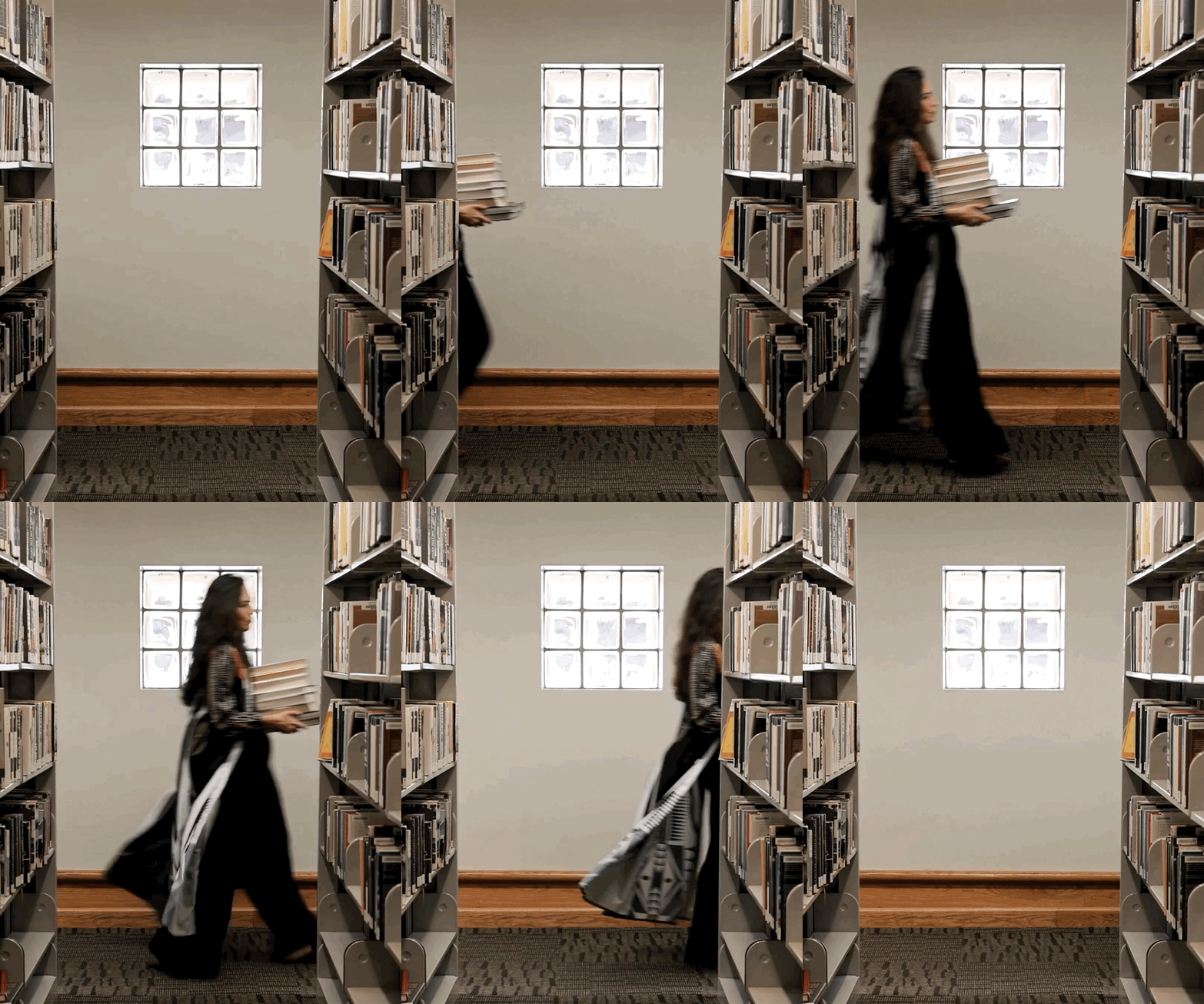
Earlier this month I found myself tiptoeing alone through the public library with my tripod and camera, trying to discretely capture a particular visual that had long been brewing in my mind. I’d hoped to use the footage to help spread the word about Library Card Sign-Up Month, an event that takes place every September in the United States in tandem with the start of the new school year.
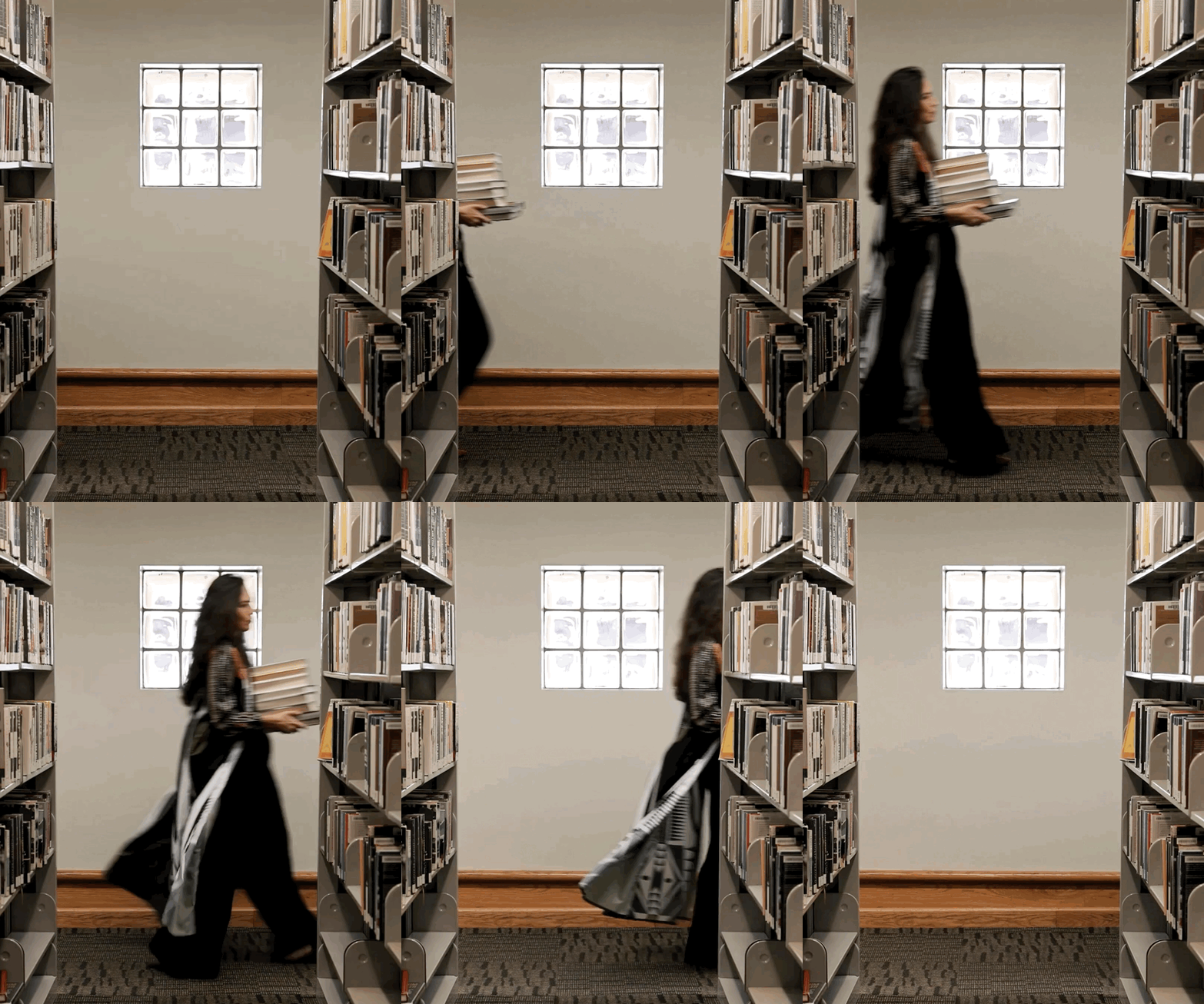
Unfortunately, the library’s sign-up campaign kickoff is often drowned out by concurrent and omnipresent “back-to-school” consumer festivities. Yet as retailers loudly inundate children and caregivers with the latest trends before clearing store shelves for Halloween candy and decorations, a library card quietly remains one of the most timeless, useful, versatile, accessible and cost-effective back-to-school supplies available.
In the past 2½ years alone, local public libraries have saved my family a whopping $24,000.We’ve borrowed hundreds of books, reserved private study spaces, checked out STEM kits and sensory toys, attended special community events at various branches, and more.
But it’s not just about the money— the library has saved our family so much space.

Sharing Responsibilities Across Family Lines
It’s the stuff, but it’s also a lot more…

We visit our public library A LOT. And one of the things you can’t miss in the children’s section is the enormous number of books centered around the topic of sharing. Throughout their childhoods, we remind kids repeatedly how important it is to share. But something about the messaging is often truncated, limited to tangible items like toys or supplies.
What about sharing workloads?
Time?
Energy?
Ideas?
Don’t get me wrong, I’m all about sharing things and reducing the sheer amount of stuff we buy and store within our bursting homes. But…


Managing Mosquitoes in a Healthier & more Sustainable Way
Growing up in Florida and eventually living along the canals in Venice, California, my partner and I are no strangers to mosquitoes. Now, being back in the woods of the muggy southeast, we’re once again faced with a sudden and intense mosquito season. After getting bit on the eyelid the other day (a first for me,) and watching my eye swell for two days, I figured it was time to break out my preferred gear for managing the bugs for our home and family. Here are my favorites, including my new MVP from an ethical, low waste brand that I’ve long adored.
Mosquito Repelling, Plant-Based Lotion Stone
Click here
Why I like it: This lotion stone is easy to apply, works, and feels good on the skin. Plus it’s a very low waste product with minimal packaging and zero plastic.
About the stone: The Kate McLeod Dusk Stone is a bar that melts on contact, and is comprised of simple yet powerful ingredients that are full of antioxidants and fatty acids to heal and soothe skin while acting as a natural insect repellant. It’s a highly concentrated formula made without water, synthetics, or alcohols.


Insect Shield Clothing
Click here
Why I like it: I keep our insect shield scarves wrapped around our sun hats so we never forget them. This insect shield clothing can help reduce overall pesticide and repellent use, and puts the repellent next to your skin rather than on it. All dye colors are non-toxic and processed in a closed loop water system that recycles 100% of the water used in processing.
About: Pang Wangle Earth-friendly, Insect Shield® clothing repels mosquitoes, ticks, flies, fleas, chiggers, ants, midges. It's EPA approved for everyone, including infants, pregnant or nursing women, even pets.

All Natural Repellent for the whole family, including pups
Click Here
Why I like it: This family-friendly, all-natural bug spray, which comes in a stainless steel canister that we reuse, was developed for the humid, hot, swampy, bug infested climates of Florida.
About: Beat It contains no deet, no chemicals, and no artificial ingredients. It can be used on babies, children, pregnant women, AND pets. Beat It repels ticks and fleas on cats and dogs and keeps flies off horses.

Bee-Safe, Non-toxic Mosquito Repellent Sticks
Click here
Why I like it: The smell of this bee-safe formula doesn’t bother me the way citronella sometimes does, and the sticks burn smoothly for over 2 hours.
About: Madison James Flyaway Sticks keep away mosquitoes, horseflies, hornets, and the common fly, without hurting bees. They’re made in limited batches in the USA with highly effective ingredients, and are hand-packaged in a repurposed farm feed bag.

Soothing Bite Balm
Click here
Why I like it: Our 6 year-old has long appreciated this soothing balm, so we add a dab here and there when necessary. And I like that it comes in a tin rather than plastic, and it made by a Certified B Corp.
About: Murphy’s Naturals Bite Relief Soothing Balm uses soothing ingredients, like andiroba, eucalyptus, and chamomile oils. 2% of all sales goes back to communities working to better people and the planet. Murphy’s Naturals is a 1% For The Planet member, which means 1% of all revenues help fund environmental organizations.
Citronella Incense Hanging Coil
Click here
Why I like it: This is what we use if we have a larger outdoor gathering. It’s pretty, has a large coverage area when suspended high, and is nontoxic to people and animals.
About: This Fredericks & Mae Citronella Incense Hanging Coil lets off a slow-and-steady stream of citronella-infused smoke with the lemony scent of citronella
A Fan + Plants
There’s nothing more annoying than hearing mosquitoes buzz around you overnight, knowing you’ll wake up with welts. We sometimes point a fan towards the bed with a potted lavender plant situated behind it to help prevent the buzz and bites. (Not sure how much the lavender helps, but it smells amazing.)
Long Linen Clothing
When in a hurry or a pinch, we fall back on long linen clothing. It helps block the sun and shield somewhat from mosquitoes, while allowing our skin to breathe in the intense summer heat and humidity.
Prairie Hand Wash Station
I’m a fan of the earth on the little ones’ hands— soil, sand, bark, and that particularly enchanting smell of gardenia that lingers on the skin after the flowers are clipped from grandma’s garden pathway.
But I could do without some of the other things that get on the kiddos’ hands while we’re out— like, say, Strep bacteria, you know? (And I’m an avid no-shoes-in-the-house kinda person after years of living in major cities like New York, Los Angeles and D.C.)

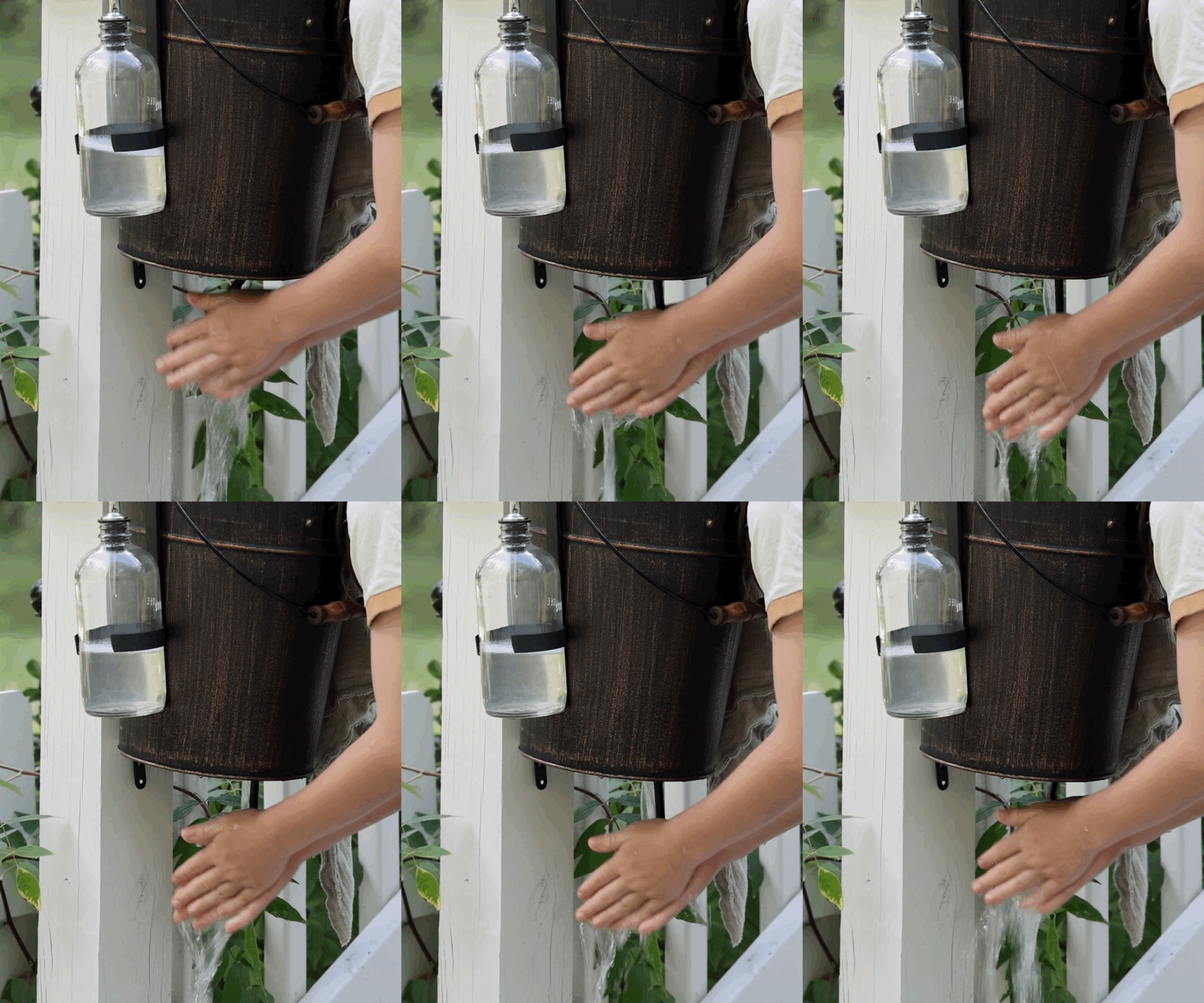
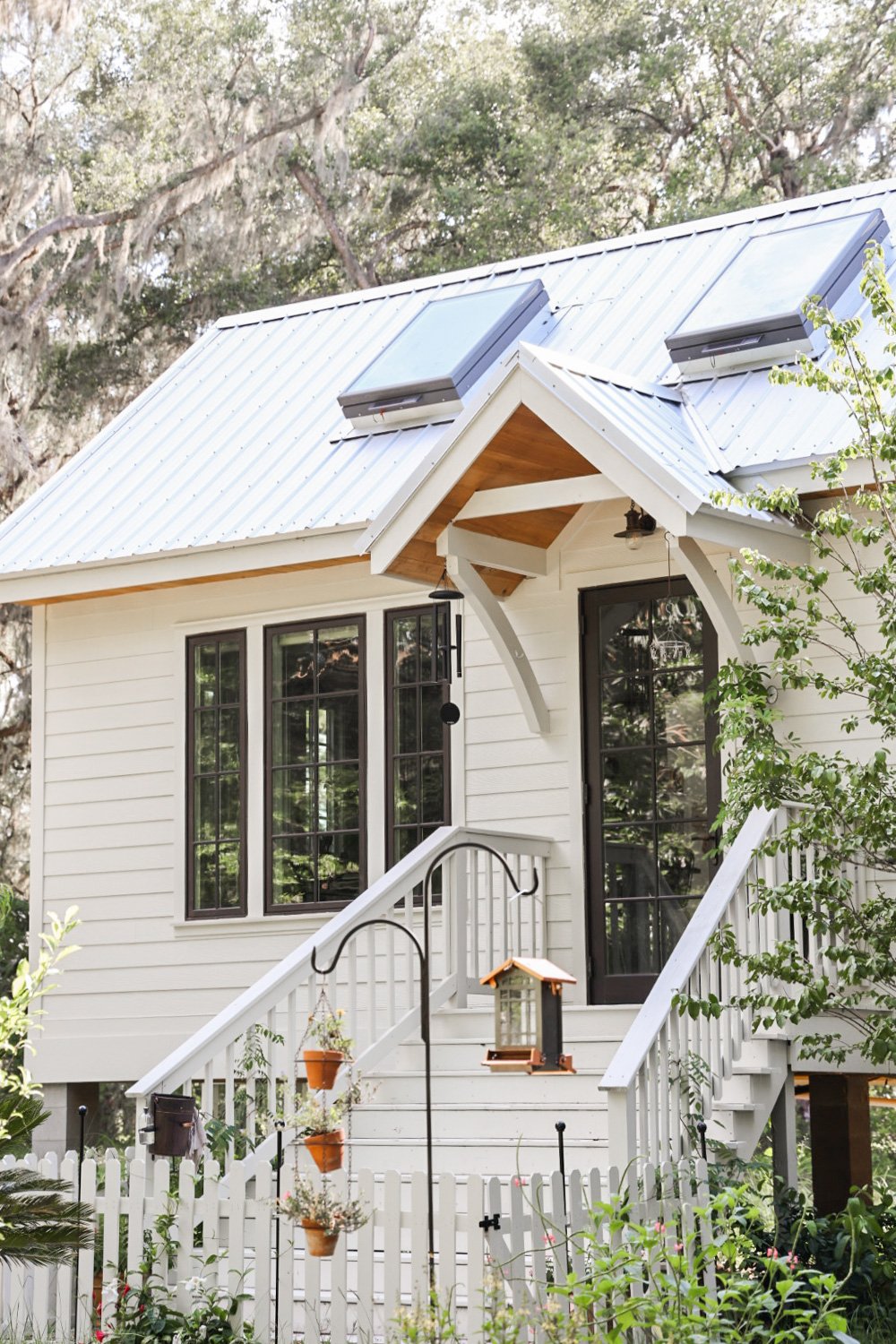
As such, I added a simple hand wash station* to the front stoop.

I paired it with a repurposed and refillable bottle of soap with a spout adapter and an old cloth napkin, and voila!
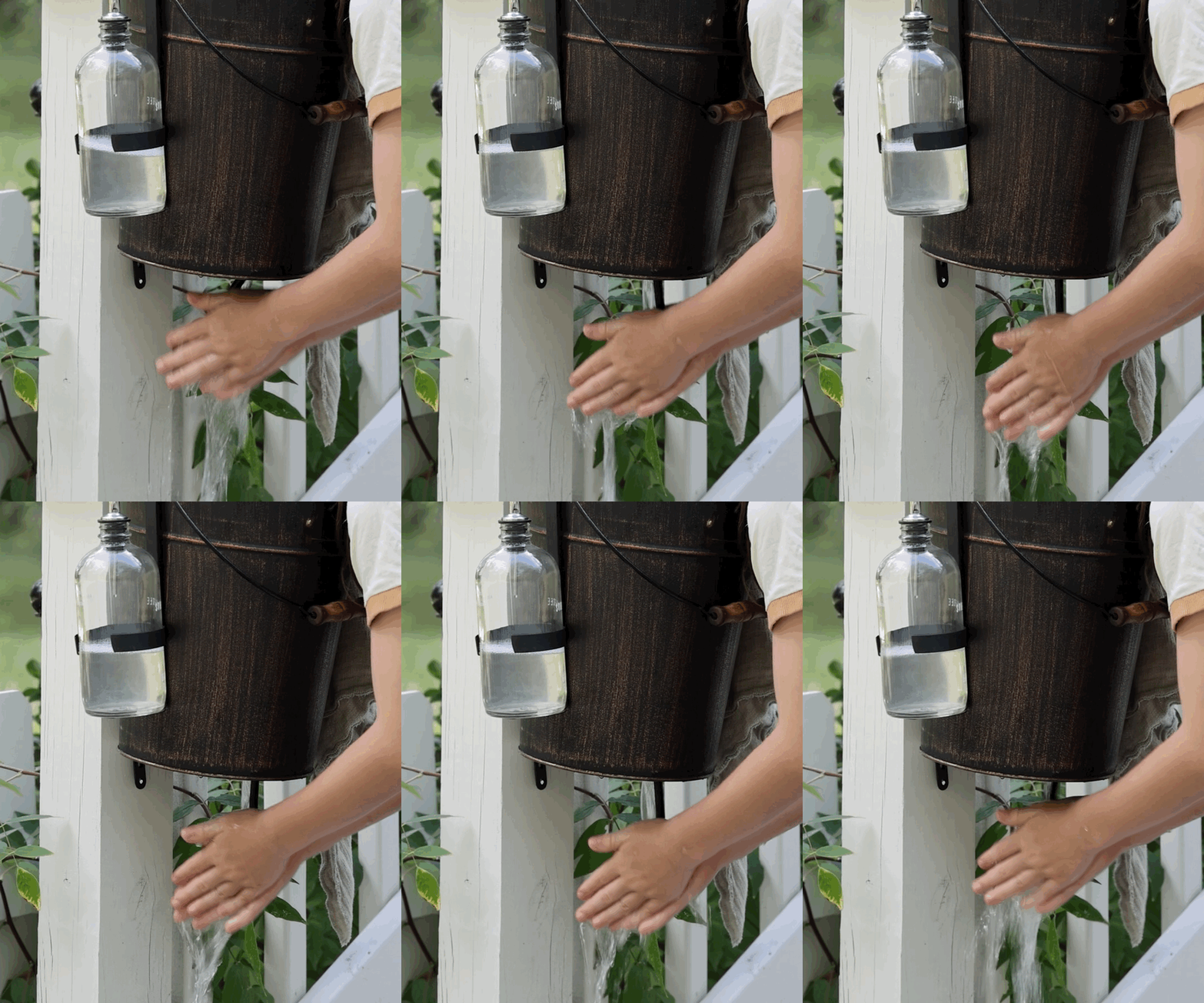
The soil can stay, but the Strep has gotta go.


How to Make a Pop-Up Play Zone in a Small Space
Read more about establishing play zones for children in compact homes and outdoor spaces via my book, Small Space Style.
Living with kids in a small space can be a unique challenge. But it’s possible to nurture imagination, respect boundaries, and even remain organized when approaching the design and decor of a compact home with inventiveness and consideration.

I’ve long enjoyed creating pop-up play zones for my children in our various environments. Not only does this activity create a “new” area (without spending money or acquiring more items) for the little ones to enjoy, but it’s also playful way for me to start the day, as it feels like a creative warm-up exercise.

Even the smallest stretch of square-footage can be temporarily transformed into something special. (I’ve found this to be particularly useful on those long days when we’re confined indoors for one reason or another.)

Over a long weekend recently, I took 5 minutes to apply a few simple edits to the 3’ x 6’ space between our kitchen island and wall, turning it from a walkway into a play kitchen + art table + bird watching station for our 2 year old and 6 year old.

It didn’t consist of much— just two wall-mounted rails with hooks (for suspending items like an apron, food + tea set, lantern, and child-safe chopping tools), and a vintage folding chair and secondhand mini table with accents surrounding them.


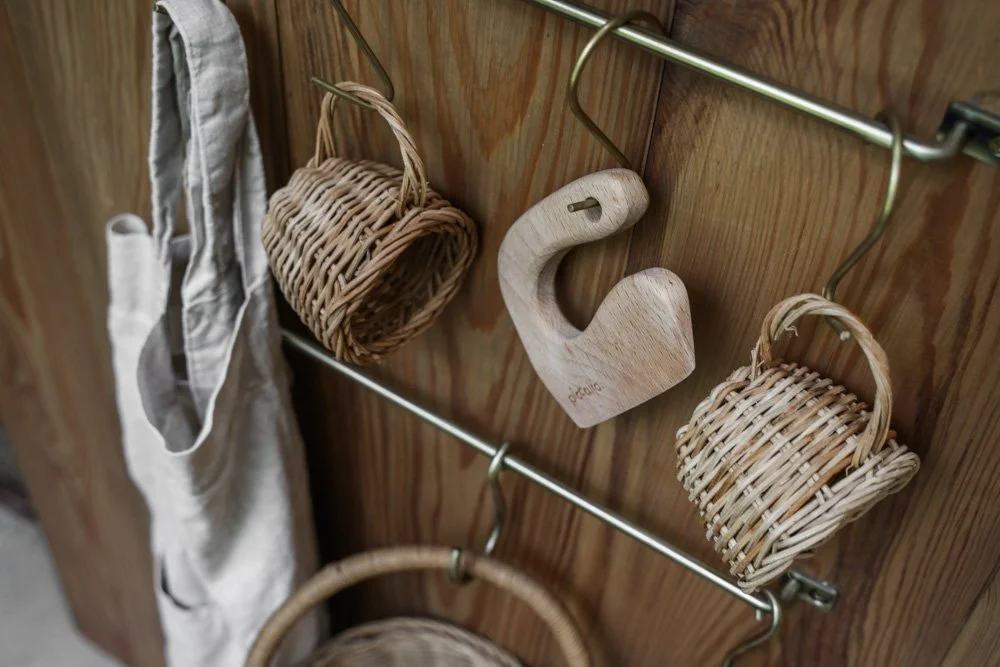
It was such a hit that I suspect we’ll leave everything out for a bit longer, or we’ll at least resurface the concept within a few week’s time.

As always, some of the key tools I use for creating such pop-ups include:
Vertical storage + organization for space-savvy layers of functional decor
Baskets for toting toys and accessories
Folding furnishings
Portable lighting


All items were repurposed from around the house, but when presented in this revitalized format, the kids enjoyed each of the pieces as though they were once again new to our household.
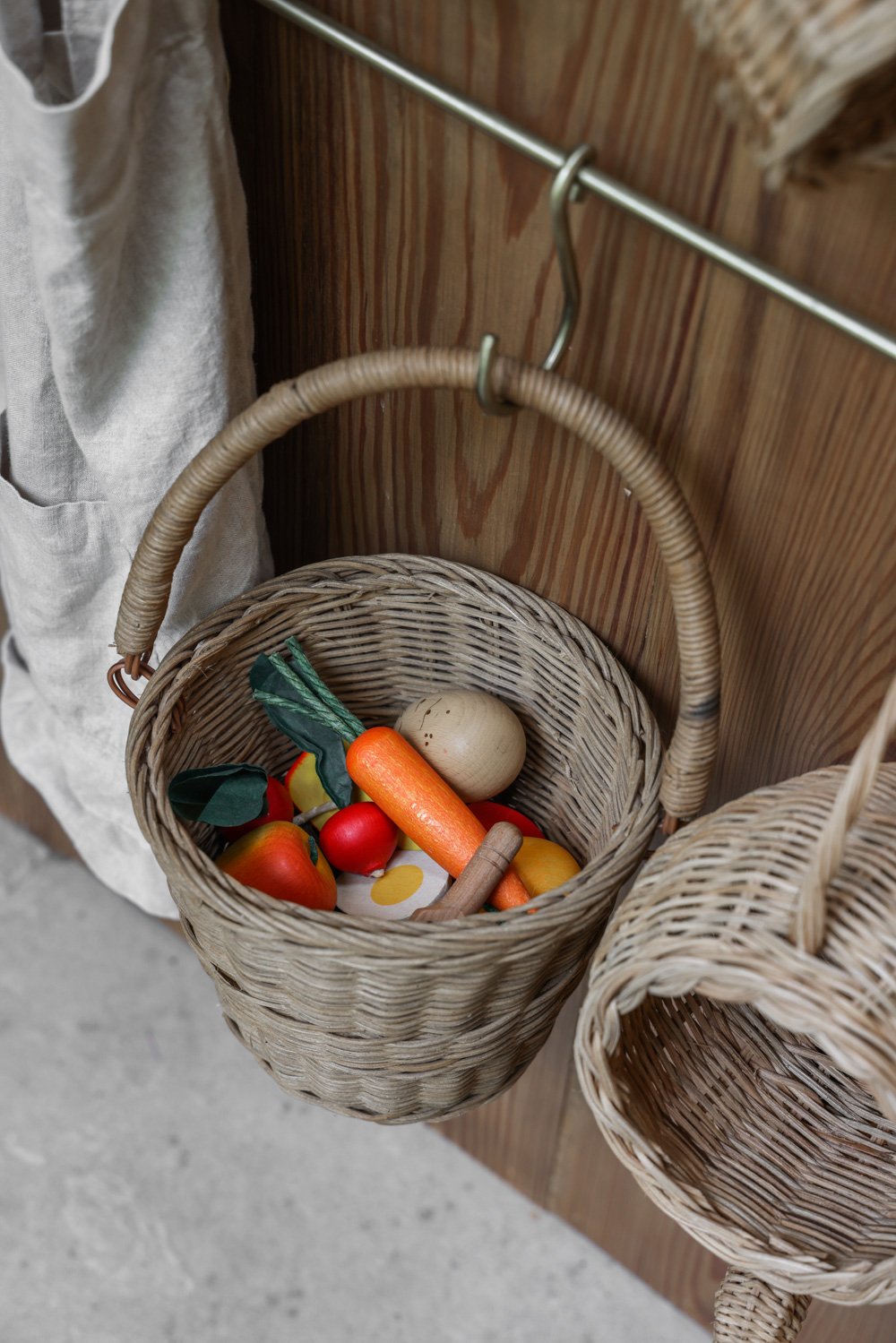
Here are some photos from this simple setup. And, as always, I invite readers to explore even more details regarding establishing play spaces for kids in small homes and gardens via my book, Small Space Style.

Italy, Spring 2023
I stepped out of my comfort zone when I agreed to host a group trip to Italy.

Venice, Italy. Photo by Alyson Morgan (@alysonsimplygrows). Luggage by SteamLine.
I’d never met any of the attendees in person.
I don’t speak Italian.
I’ve spent the majority of my weekdays for the past fifteen years mostly alone.
I’m wretched at small talk.
I get anxious over logistics.
And I don’t like to go anywhere without my kids and pups, let alone travel thousands of miles away from them.

Como, Italy. Photo by Alyson Morgan (@alysonsimplygrows). Collapsible travel bottle by Stojo.
But, on the flip side, now that we’ve settled into our new cottage and are discovering new routines in our household and business, this feels like such a season of change.

Restructuring.
Unlearning.
Relearning.
Evolution.

Lake Como
And, thankfully, the setup of this trip was such that I didn’t have to sweat the logistics, or make small talk. Instead, there were deep and joyful connections, paired with the vibrant backdrop of Italy and Trova Tourism’s mindfully curated adventures.

Bellagio, Italy
Despite initially planning on visiting France (since many folks who read this blog are interested in our @tinyfrenchfarmhouse journey), I decided to pivot and focus on Italy instead, as the itinerary sang to me given the overlap with my lifestyle.
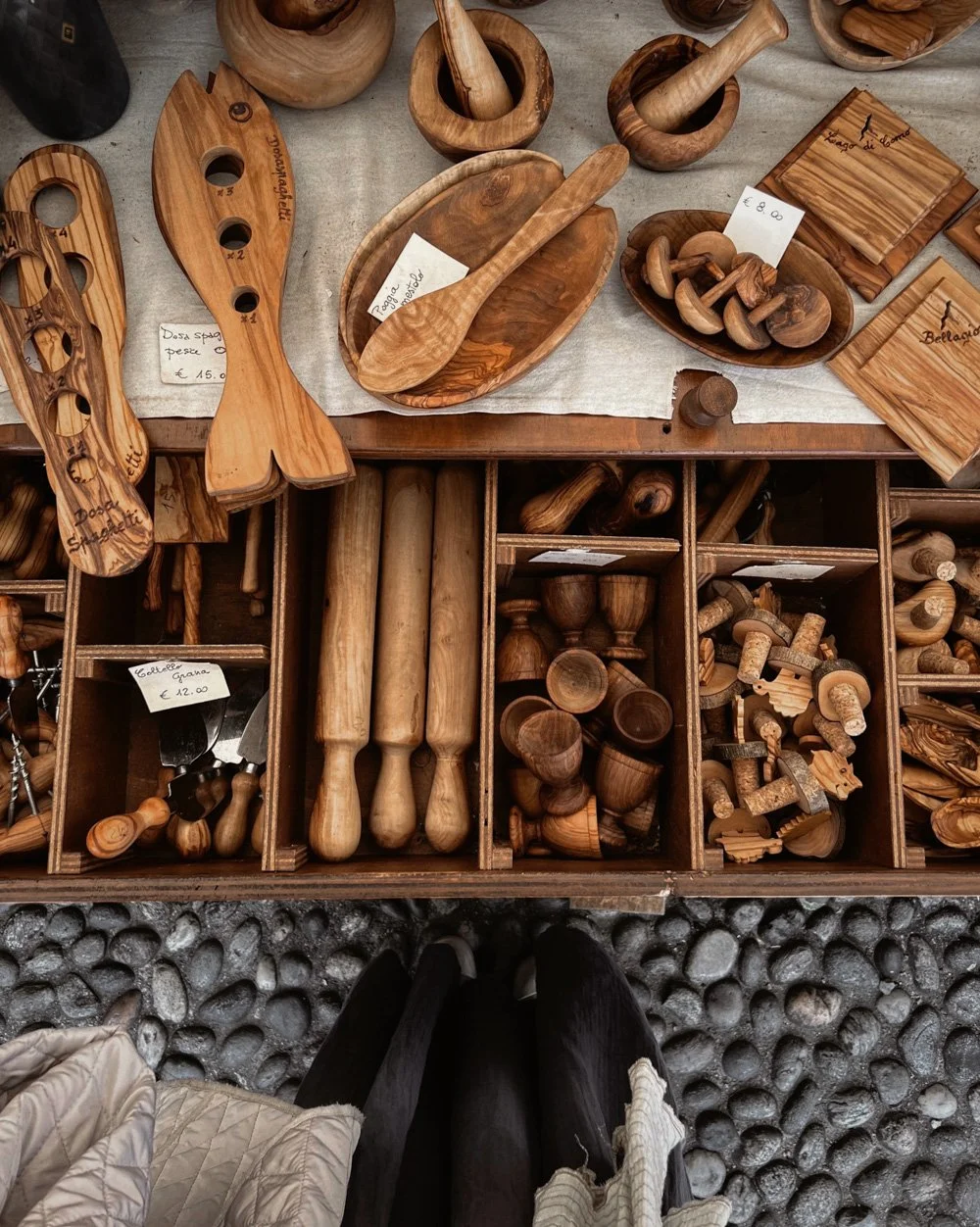

Bike rides, long strolls, boat rides along waterways— all of this resonated with my family’s day-to-day existence. And on that note, my first group trip clearly had to include Venice, Italy— the town that inspired Venice, California, where our family resided for over a decade.

My small business and online presence were, for years, centered upon small space living along canoe-filled waterways under the warm sun that dries lines of laundry dangling from every awkward corner available.

So the visit to Venice, Italy was not only a feast for the eyes, but it was also a feast for my heart.

Venice, Italy. Photo by Alyson Morgan (@alysonsimplygrows). Luggage by SteamLine.
Our group activities included the following:
Milan City Cycle Tour
Cooking Demonstration with a Milano Chef
Lake Como Tour
Bellagio Lakeside Village Visit
Boat Ride from Bellagio to Tremezzo
Franciacorta Sparkling Wine Tour and Tasting
Venice City Tour
Gondola Ride on the Canals
Burano Boat Tour & Stroll

Burano

Venice
While the sights were stunning and the trip well-orchestrated, what meant the most to me were the friendships forged. It was an honor and joy to be joined by author, photographer and herbalist Alyson Morgan, as well as ten absolutely delightful, like-minded, and kind-hearted travelers, along with our exceptional guide.

They say that all good things must come to an end, and while the trip is indeed over I’m thinking that this good thing might just need to evolve and happen again.

… Alyson and I are currently pondering the possibilities together…

In the meantime, I’m just so glad I said yes to this.

Photo by Alyson Morgan (@alysonsimplygrows)
Pictured in this post: My travel water bottle from Stojo, and my favorite SteamLine Luggage carry-on case, which was the perfect size for our week in Italy. When at the cottage, I use our SteamLine pieces as decor in order to maximize their functionality and further enjoy their beauty. SteamLine has a refurbishment program, and they offer a collection composed of naturally renewable + sustainably-sourced rattan, and recycled synthetic leather.

Custom Shoe Cabinet for Our Family of Four
Note: Discover tips and tricks for small space shoe storage via my book, Small Space Style: Because You Don’t Need to Live Large to Live Beautifully
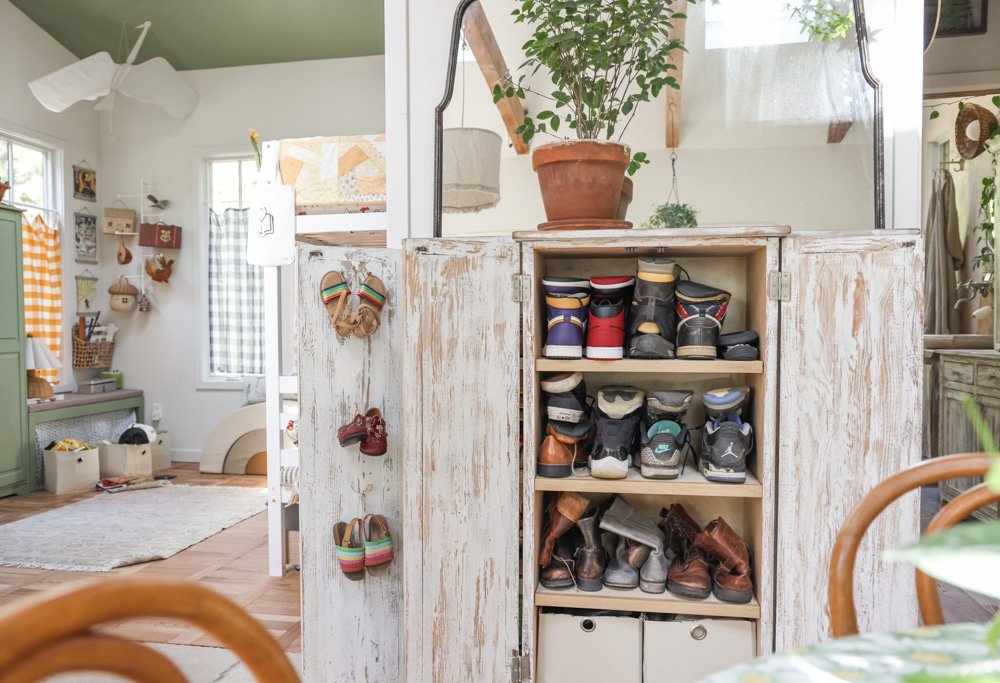
One of the first things that’s visible upon entering our cottage is a tall, custom cabinet made from reclaimed wood:

Luckily, one of the things that’s not immediately visible is all its contents:
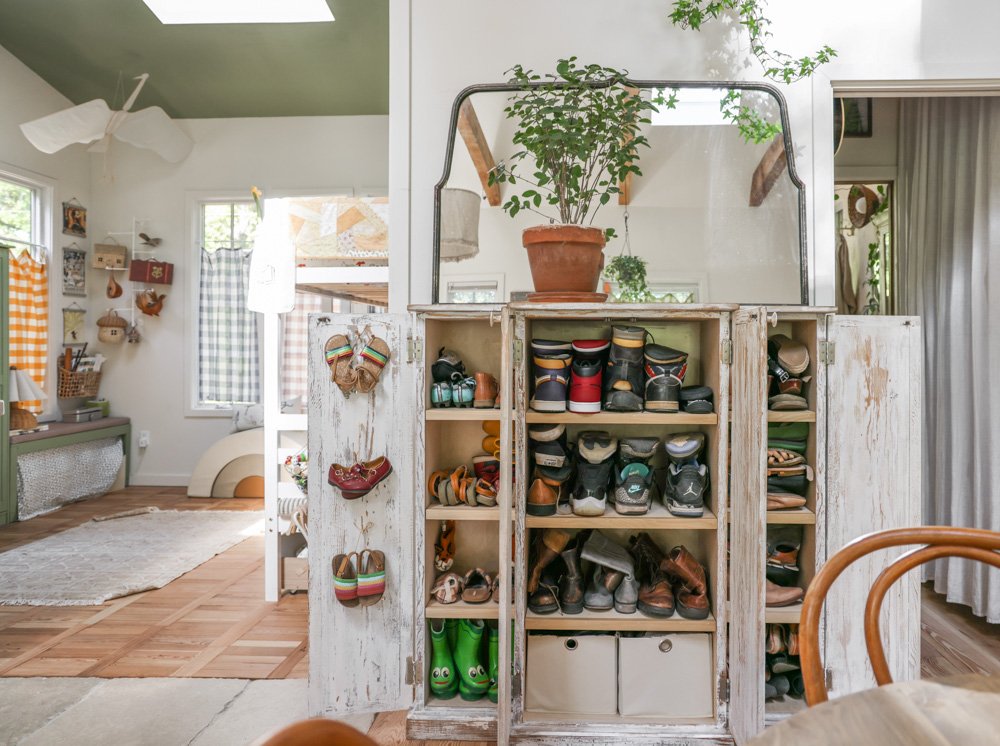
This three-part, four-doored cabinet holds almost all of the shoes for our family of four. (There are some frequently used pairs — as well as a few tall boots — stashed elsewhere for doorside access and utility.)
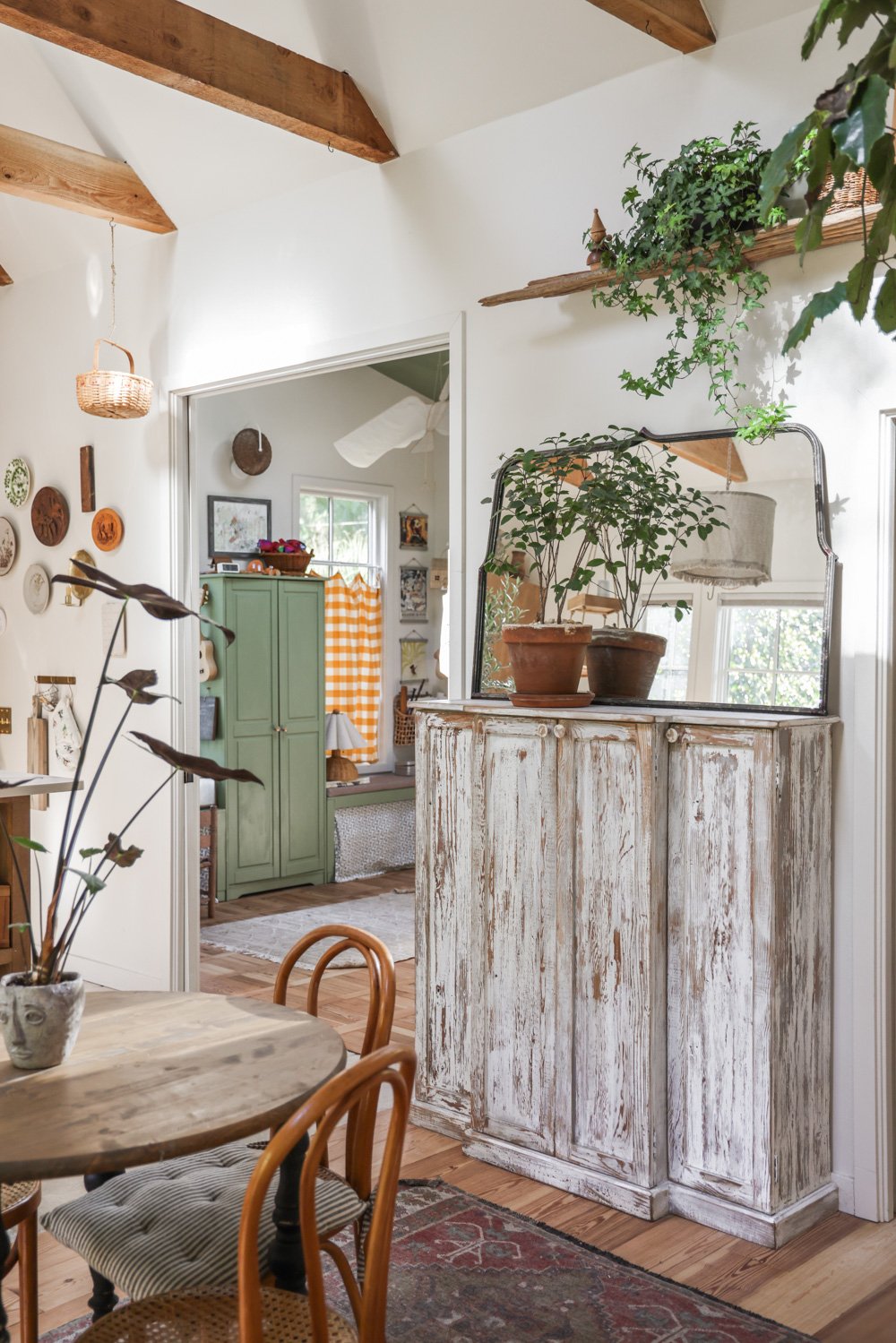
The cabinet was made by our good friend at Tumbleweed & Dandelion, with whom we designed it.
The idea was to keep everything near the front door, without causing a bottleneck there. We opted for a taller height (per usual), to maximize vertical space. The cabinet also provides the perfect perch for a large, light-bouncing mirror that adds color and depth to the pocket door wall, which itself cannot support even moderate weight due to the necessary hollow framing behind much of the drywall.
I’ve found that some important parts of designing custom furnishings for our unusual, smaller spaces are not just the obvious ones — like size (particularly depth) and shape, but also aspects like leg type and maneuverability around the pieces.
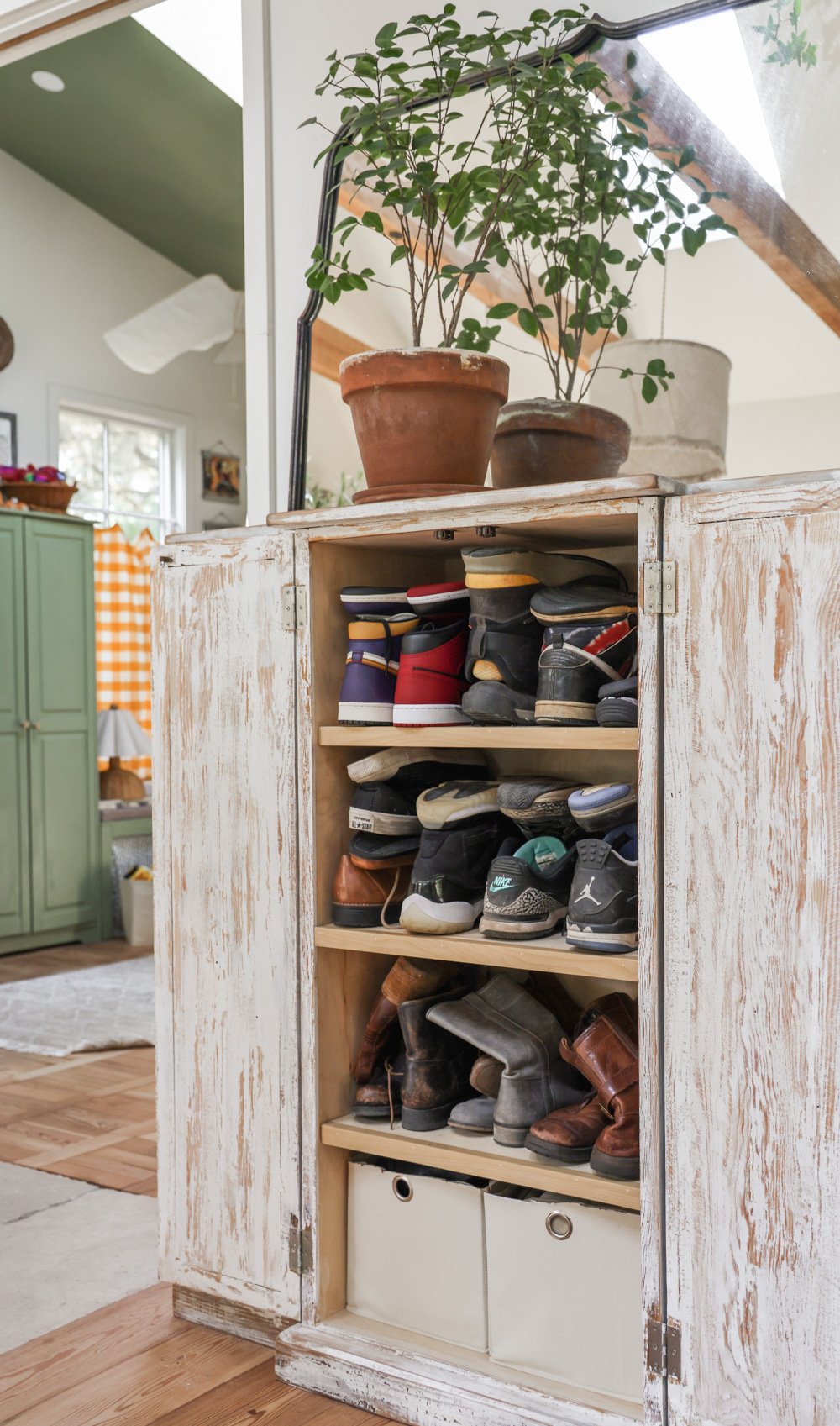
For example, we didn’t want dog hair to be able to make its way beneath the cabinet, and we wanted it as sturdy as possible since we have two young children. Hence the flat bottom design.
And we wanted the piece to be as shallow was possible to prevent us from bumping into it when in the “dining room,” or while crossing from the bathroom into the kids’ room, but it also needed to be deep enough to accommodate Adam’s sneakers. Hence the alternating depth between compartments.

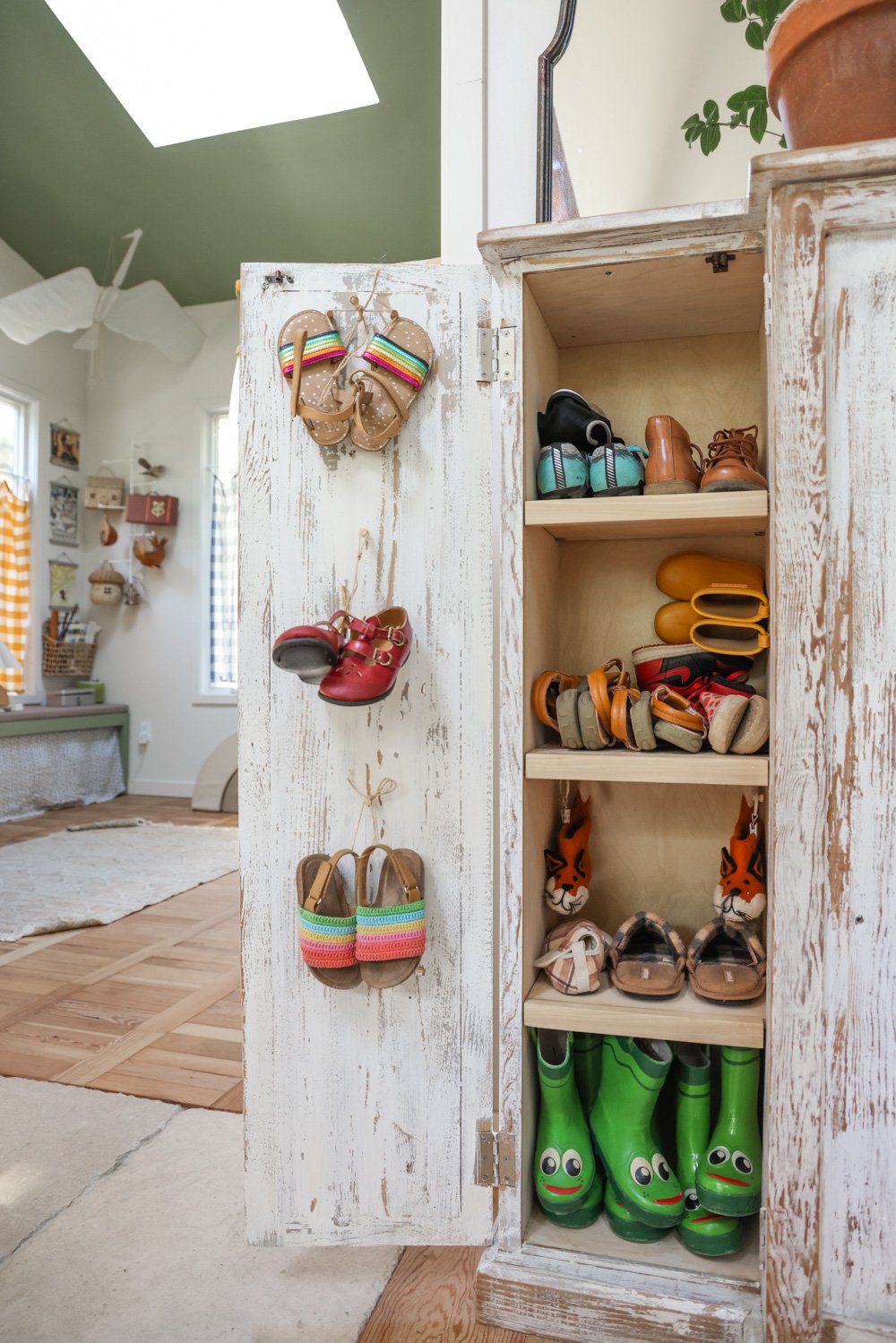
The kids shoes go on one side, and handmedown shoes that they’ve yet to grow into hang from the interior of the door. Adam’s sneakers fill most of the middle compartment, while my shoes sit (somewhat pell-mell, but I don’t mind) on the right side.
Shoes that my oldest child has outgrown go into a 6-pocket beverage bag that I suspend from the makeshift hallway coat closet, which is a small stretch of receded wall in front of the breaker box where I added a dowel and hangers to make the space highly functional. While in the bag, the shoes wait to be reused by our younger child, or are kept for sentimental reasons. (Yes, I’m good at letting things go, but not all things.)

This cabinet turned out exactly as we’d hoped and imagined, and has room inside to adapt, thanks to removable shelves. We’re grateful to our talented (and absolutely delightful) friends at Tumbleweed & Dandelion in our old, beloved town of Venice Beach, for bringing this vision to life!

And speaking of our Tumbleweed friends, the shop’s founder, Lizzie McGraw just wrote and published a fantastic book that I love, which be found wherever books or sold, or via her small business’ online store.

Celebrating Milestones the RightWay
UPDATE: Thank you to everyone who donated! We raised ~$1,500 for The RightWay Foundation non-profit in about 24 hours!
Today is my birthday, and I’d be absolutely overjoyed if you’d make it meaningful with me.

If you’ve ever found the information I share to be of value— and if giving is comfortably within your means — I’m humbly requesting contributions to The RightWay Foundation as a way of celebrating today. Note: If you do make a donation, please add a note in the digital Donor Scroll so I can thank you!

Above: Our Lettuce Grow towers— the same type that this community helped secure for The RightWay Foundation in 2022 for growing healthy greens for their foster youth and staff.
Our friends at The RightWay Foundation do critical preventative work to end the pipeline from foster care to homelessness, unemployment, incarceration, and poverty. Thanks in part to your generous gifts in 2022, RightWay provided dedicated housing for 34 current and former foster youth, and supportive services for 110 youth aging out of foster care. Now, in 2023, RightWay is providing dedicated housing for 30 additional former foster youth… because having a place to call home is the first step to a healthy, financially stable adulthood. (This is a topic that is near and dear to my heart — read more about that here.)

Having a place to call home is the first step to a healthy, safer, financially stable life.
Thank you for being here, and for supporting our small business and family, as well as this remarkable organization that is changing lives in extraordinary ways.

Want to celebrate your milestone the RightWay? The RightWay Foundation has set up a how-to campaign resource for anyone who wishes to raise awareness and/or funds for this marvelous non-profit on their special day. Click here to learn more and get started.

Eco-Friendly Woodland Mural for the Kids' Bunk Wall
From the beginning, we wanted the kids’ shared room to have plenty of color, life and character, while also flowing well with the rest of the cottage when viewed through the room’s open double pocket doors.
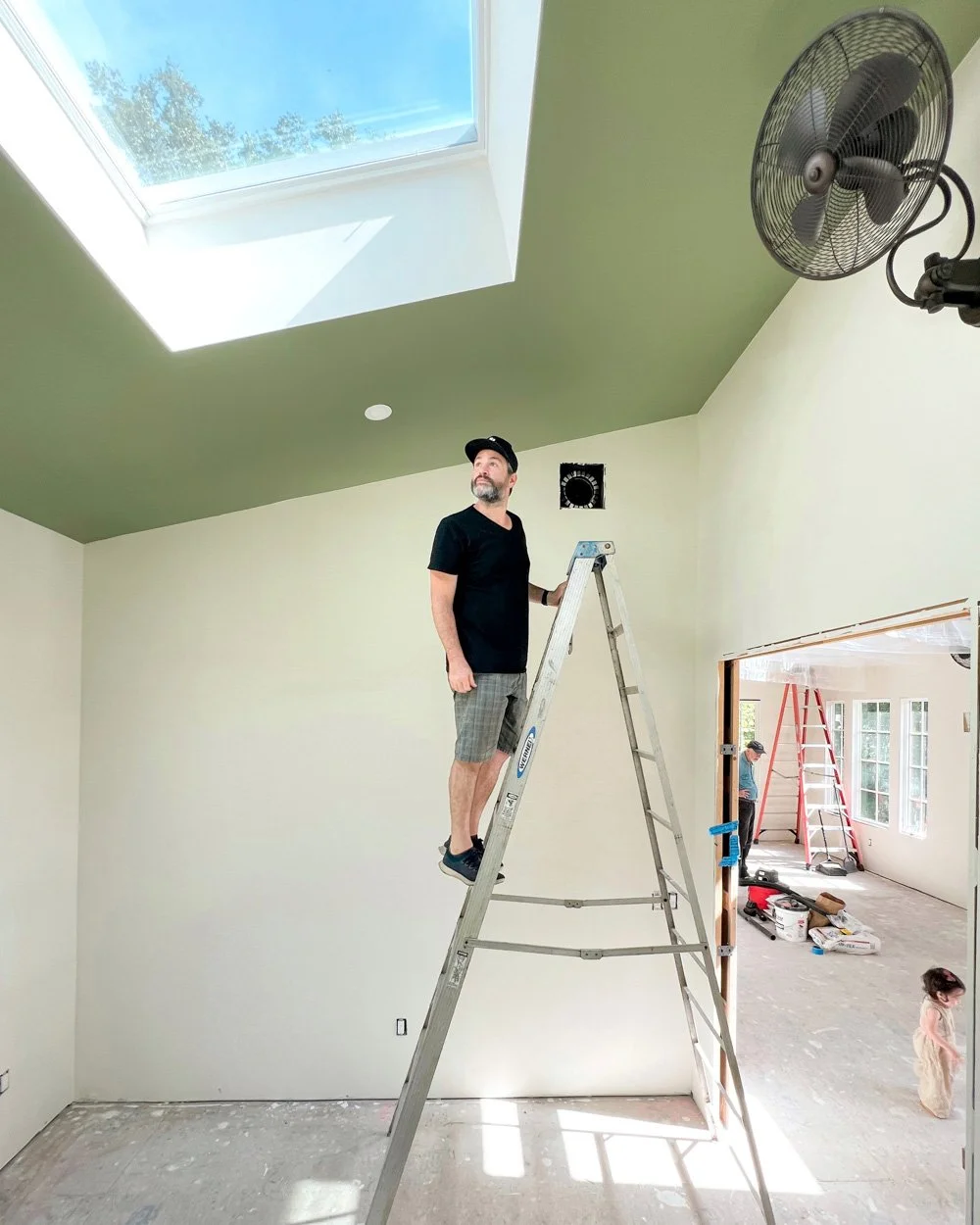
BEFORE
To achieve this, we painted the ceiling and select furnishings in a delightful shade of green chosen by our six year old, but we left the walls the same color as those in the main room. Since two of the walls are filled with large windows, that left two blank white walls. One of those is now a growing gallery wall, visible only when standing within the room. The other is the wall behind the kids’ convertible bunk bed.

This wall is the largest uninterrupted stretch of space in the kids’ room, and it’s visible only from within the room and certain spots in the kitchen. So we knew it’d be the perfect spot for a vibrant, playful mural.

Our six year old chose a woodland design from Rebel Walls, and we are all thrilled with how it turned out. The artwork features delightful clothing lines with unexpected details, treehouses, and wooden + rope ladders, all teetering magically within tree branches of lush green.

The mural took a morning for two of us to apply, owing to the angle of the ceiling (which tops out at 12’+) and the tight dimensions in which we were working with two ladders. It was a straightforward process that went quickly once we got the feel for the application throughout our experience with the first panel. I’d absolutely recommend these murals to anyone considering them, as this one brings us joy daily!

Here are some of the eco-minded reasons we picked a mural from Rebel Walls:
They offer a customized product, keeping no stock of wallpaper that risks being discarded.
Their wallpapers are printed on Non-woven FSC Certified paper.
Rebel Walls uses printing technology, that is 100% pure from solvents and other harmful substances. The wallpapers are completely free from damaging VOC substances, and have no negative impact on people, animals or nature.
The raw material is transported to Rebel Walls in large quantities in order to need as few deliveries as possible— currently just 2 times a year.
Rebel Walls produces very little waste, but the waste they do get is recycled locally.
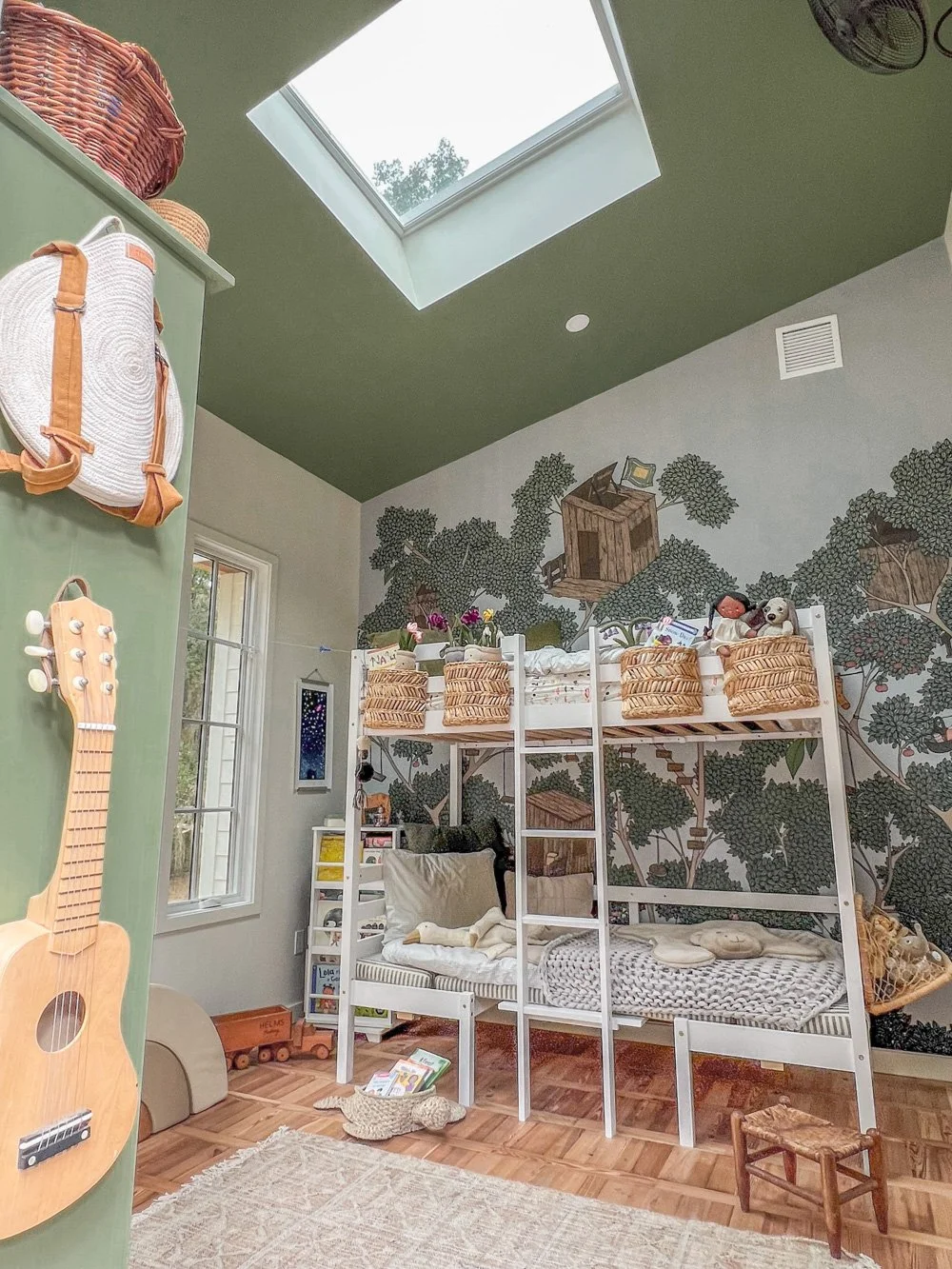
SOURCES
Mural: Rebel Walls
Venting Skylight: Velux
Paint: Valspar, Blanched Thyme
Floor: Recovered + reclaimed remnant cypress + pine from The Goodwin Co.
Bunk Bed: Click here
Bunk Cushions: Fragments Identity
Eco-friendly, healthy mattresses: Avocado
Most other items: Vintage, handmade and hand-me-down

Multifunctional Furnishings for the Children’s Shared Bedroom
Click here to explore the general post about the the children’s shared bedroom / playroom.
We have two children, ages 6 and (almost) 2. When designing the interior of their shared, 11 x 12’ bedroom, I wanted to be sure they’d each have dedicated spaces of their own, as well as ample room for overlapping or independent free-play. The trick was, of course, how to fit toy storage, wardrobes, learning stations, relaxation zones, sleep areas, and open space for both of the kids within the given floorpan.

There are two key elements of the room that helped us achieve our goals. One is the convertible bunk bed, which is detailed in full via this post. The second is a wall-to-wall, multitasking collage of carefully selected furnishings and accents:
One repurposed, shallow-depth kitchen pantry
Two benches (with raised legs)
Two removable, no-slip seat cushions
One child-sized chair

Truth be told, we’d originally designed a built-in with the same function and look-and-feel for this space, but our budget was too strained to accommodate it by the end of the home-build process.


We pivoted, customizing a slim, pine kitchen pantry and two benches instead, which we painted in the same hue as the ceiling, and grouped in a way that echoes the more polished design we’d intended to bring to life from scratch but ultimately could not.

The shallow-depth pantry, which is secured to the wall with essential, anti—tip hardware for safety, is in use as a wardrobe for both children. We opted to skip the addition of a dowel for hanging garments, though we’ll likely add that later as the kids get older. In the meantime, each shelf contains two collapsable storage cubes that function like clothing drawers.

The two benches both have custom, no-slip seat cushions for moments when the kids want to use the surfaces as reading zones.

Above: Cushioned benches for reading zones

Above: Benches in use as desks
The cushions can then be removed to convert the benches to desks (or to create forts for parents to stumble over).

We raised the benches with 2” cubes so that little chairs and seated kiddos can easily fit the same way they would at a desk. One toddler / pre-schooler vintage chair is ever at the ready, and the second seat is supplied by a sturdy arch from an Arc Indoor Playset.

The desks are curtained with repurposed bed linens, concealing ample toy storage that consists of 11” x 11” collapsible cloth cubes.

Four cubes sit beneath one bench, two beneath the other.

(Book storage is elsewhere within the room.)

These multitasking pieces allowed us to create a highly functional room without the need for built-in closets, bulky dressers, or separate lounge chairs and tables. As such, there’s more room for open play (and the blasted, aforementioned forts) without the need for more square-footage.


The Children's Shared Bedroom / Playroom
Our cottage has just two bedrooms, both of which are the same size (11’ x 12’).

This bedroom off the kitchen, which gets soothing golden sunlight thanks to its southwest positioning, belongs to our kids.

It’s still a work in progress— there are more wall hooks, window treatments and hanging baskets to add, there’s additional painting and stenciling to do, and I need to get around to hemming those toy-concealing table / bench skirts one day. But all in good time…

We’re frequently asked why we only included one room for the kids here in our cottage, as they’re a boy and a girl born 4 years apart. We remind folks (and sometimes ourselves) that people all over the world make shared rooms work — either by choice or necessity — so we can too. But, if it gets too trying at times in the future, the kids’ grandparents live a mere 1-minute walk away, and their home has a spare bedroom that is always open to either child. After all, one of the reasons we moved here was to live with less by sharing more.
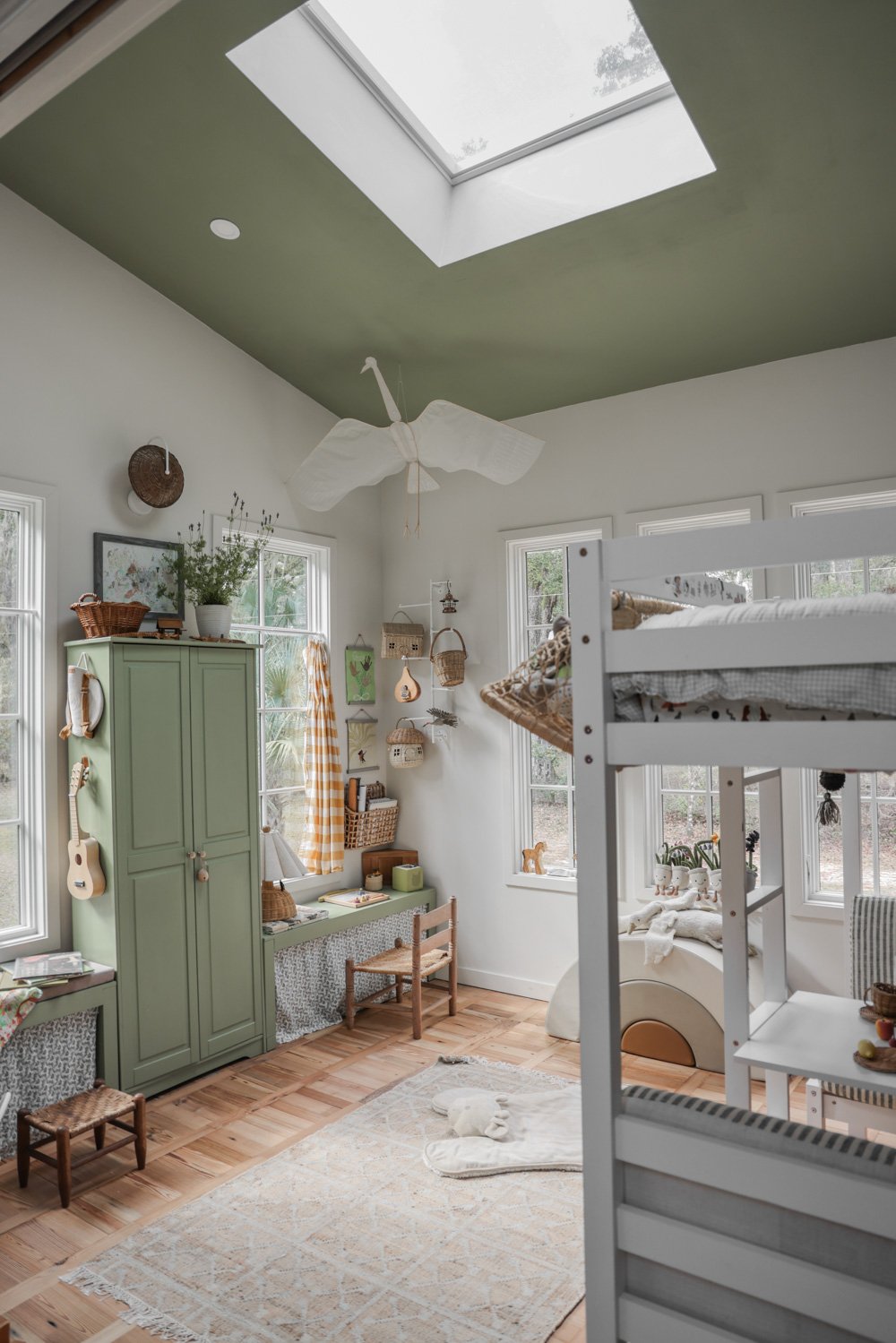
We’d originally designed a built-in for this space, but our budget was too strained to accommodate it by the end of the home-build process. We pivoted, customizing a slim, pine kitchen pantry and two benches instead, which we painted and grouped in a way that echoes the more polished design we’d intended to bring to life from scratch but could not.

The cabinet, , which is secured to the wall with essential, anti—tip hardware for safety, holds all the clothing for both kids.


The benches both have custom, no-slip seat cushions that can fit on in an instant when the kids want to use the surfaces as reading zones. The cushions can then be removed to convert the benches to desks.


We raised the benches with 2” cubes so that little chairs and seated kiddos can easily fit. The desks are curtained with repurposed bed linens, concealing ample toy storage that consists of 11” x 11” collapsible cloth cubes.


On the opposite wall is a convertible bunk bed, along with a sweet and playful Rebel Walls mural chosen by our 6 year old.
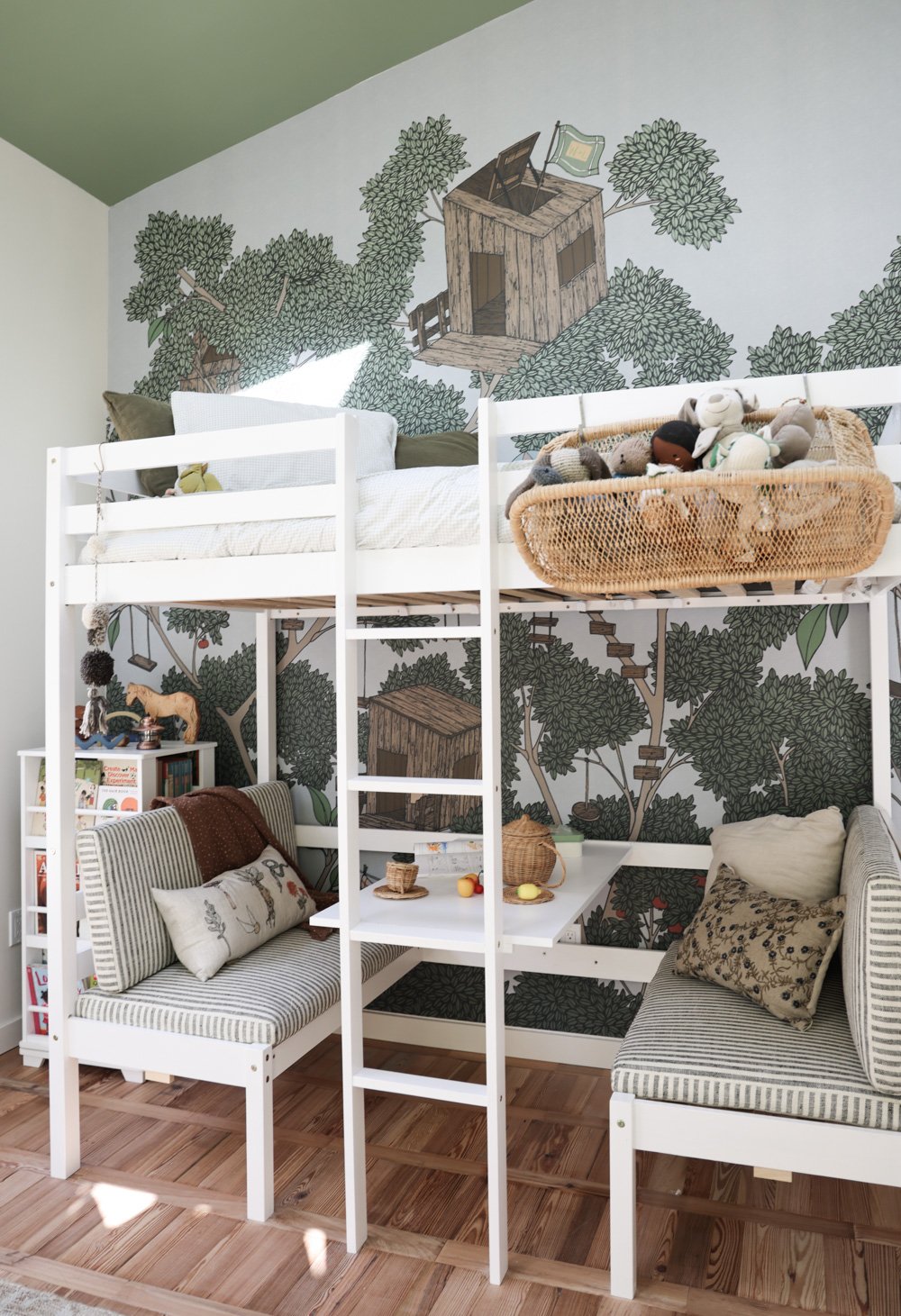

The bunk is a pretty basic design that we plan to some day paint and further customize and decorate in order to elevate its appearance and maximize its potential.

What attracted us to this particular bunk design was that the bottom converts from a single bed to a tabletop and two bench-seats, allowing our kids to enjoy their little room in adaptable ways.


To maintain the flexibility of the bottom bunk, the seat cushions — made by Fragments Identity — function as a mattress when in night mode. We roll an organic mattress topper from Avocado over them for a healthy, padded sleep surface. Up top, there’s a trundle/bunk-height Avocado Eco Organic Kids Mattress.

Behind the head of the bunk, a small corner is maximized by a 4-sided, multi-tiered rotating bookcase containing the permanent collection of kids’ books. A rolling cart and mobile play pram operate as library book storage.


The floors are comprised of hundreds of scraps of river-recovered wood (from Goodwin Company) leftover from other building projects. The ceiling, which is painted the same green we used on the furnishings and accents, is outfitted with a venting VELUX skylight.


Additional Details
The casement windows are from Marvin. The oversized doors are double-pocket doors, which help us maintain privacy and quiet when needed, while also offering the benefits of an open-concept floorpan when preferred. A simple wall fan (over the double pocket doors) oscillates, and circulates air effectively in lieu of a ceiling model. The customized light sconce corresponds with other lighting throughout our home, and was made by Reveal Home via Etsy. The curtains are cotton tablecloths. The walls are Shoji White by Sherwin Williams, and the green is Valspar Blanched Thyme.

Tips for Avoiding Unnecessary Gifts
This is an updated, more comprehensive version of an earlier post entitled, “How to Politely Handle Unwanted Gifting.”
It’s the time of year… for unwanted and unnecessary gifts.
With the planet in crisis, folks struggling financially, and families grappling with an excess of clutter in their homes, I’d argue that it’s time we more widely accept and respect one’s decision to firmly avoid giving and receiving gifts.

But how do we kindly tell a child’s relatives to stop sending toys? What do we do about well-intended friends who insist on giving “something!”? What solutions are there for rehousing the unwanted gifts that inevitably make their way through the door, despite the recipients wishes? And what are some unique gifts that won’t further contribute to overflowing households, and — inevitably— landfills, which have a greater impact on disenfranchised and marginalized populations? (See Toxic Communities: Environmental Racism, Industrial Pollution, and Residential Mobility by Dorceta E. Taylor.)

Since living in our cottage, having our first child, and learning more about the climate emergency, we began gently telling our friends and family that the absolute best gift they can give our children is an inhabitable planet for their generation and those that follow, and that giving random stuff doesn’t help them in the long run.

For years, this conversation was easy for us, as most people knew that we lived in a tiny house that couldn’t accommodate excessive belongings. Now that we’ve moved into a space over twice the size (~900 sqft), we predict that we’ll have to remind folks that even though our square footage has increased, we still have the same views regarding gifting.

We know that everything sent our way is usually acquired with so much love, but we believe that the impact of the items (from the manufacturing, to workers’ rights, to packaging, to transport, to haphazard placement within our home, to eventual disposal of some sort,) ultimately matters more than the intent.

For folks who take affront, and/or just don’t quite understand our reasoning, I suggest or give a copy of The Future We Choose: Surviving the Climate Crisis, and/or Aja Barber’s book, Consumed: The Need for Collective Change: Colonialism, Climate Change, and Consumerism.
Of course it needs to be acknowledged that to ward off gifting of this nature is a privilege, as so many people are living unhoused and without the basic necessities. But, as Barber wrote* in an Instagram post, “The things which are said to us in childhood normalize living in a world with inequality… “ (ie: “Be grateful for your food / gifts, because so many people are going without!”) So instead of tricking ourselves into believing that we should simply continue to accept unnecessary gifts and keep our thoughts to ourselves, we’ve instead started pointing the folks who wish to convey their love in tangible form in the direction of nonprofits such as The RightWay Foundation, which are in constant need of financial and product donations.
We are, however, always happy to receive children’s books, knowing that our kids will explore them thoroughly for years, and that we can ultimately pass them along to other children, a library, or a local school once they’re no longer being read.

We also embrace the idea of gifting experiences, such as museum or garden memberships / admissions, Airbnb Experiences, digital subscriptions, local food and beverage, and other such presents that support an organization or small business while also providing our family or others with a new adventure of some sort. When it comes to regifting unwanted items, I look at it this way: If a giver circles back and asks me to reveal the whereabouts of a present they once gave us, that relationship is probably one that needs some reconsidering or deep work. And besides, there are so many people, families and organizations in need of certain goods that I feel no guilt in passing along a thing we do not need here, and giving it instead to someone who can put it to good use.

When rehousing an item, we’ve discovered that it’s extremely important to first verify that an organization can indeed put it to specific use, otherwise it is statistically destined for a landfill. Hopefully the original gift-giver would understand and support that action.
’Tis, after-all, the season to share.
(*Reference to a post by Aja Barber entitled, “Where do out human rights and and others begin?”)
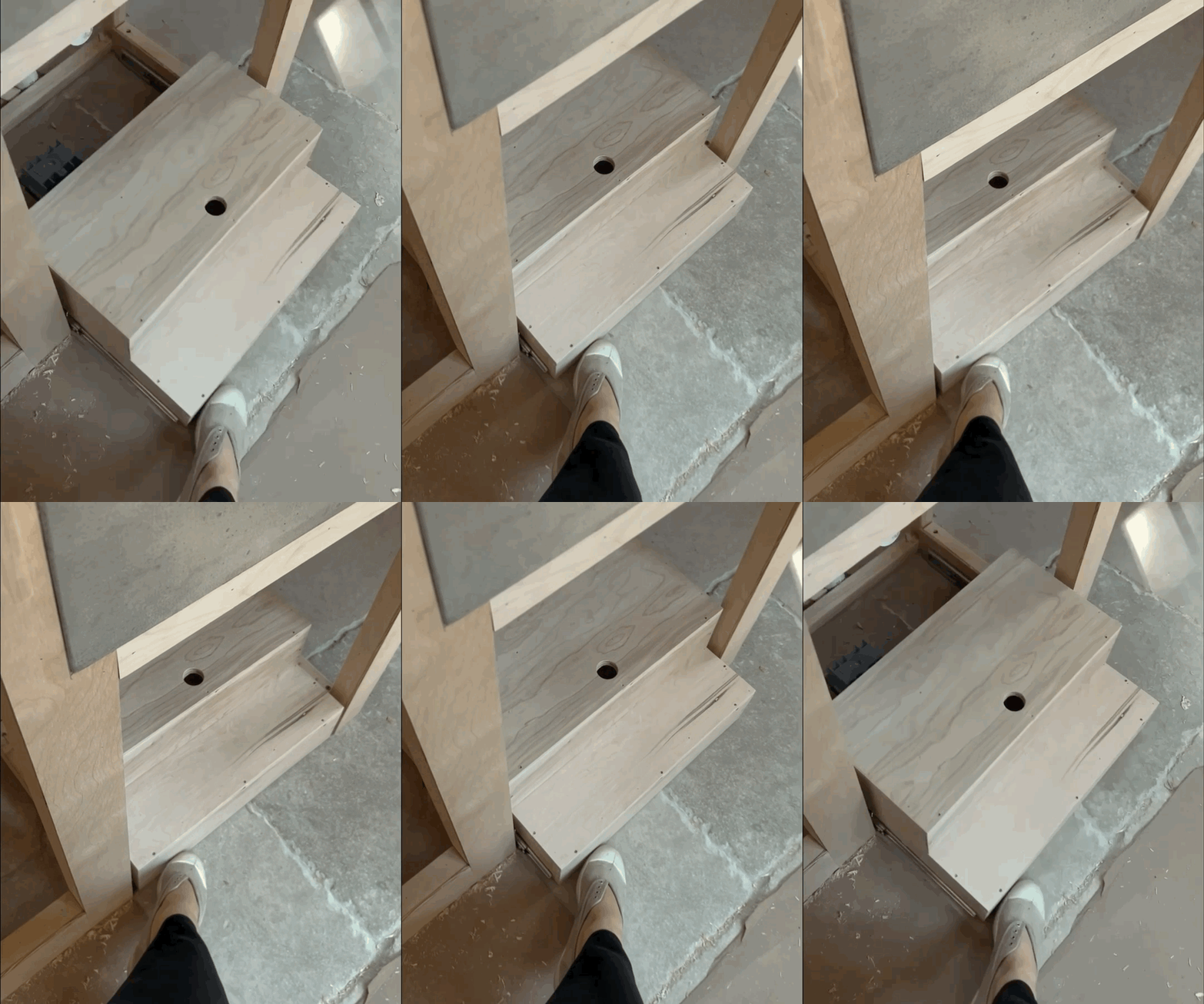
Built-In Kitchen Step Stool
Our new kitchen might be on the smaller side, but our countertops are on the (much) taller side. As a family full of folks 6’ tall and over, we’ve spent countless hours stooping over sinks and hunched over cutting boards. But no more!

One of the greatest perks of designing our little cottage from scratch was the ability to design surfaces to better suit our needs (and ease our aches). However, we have two young children and wanted to be sure they’d retain the ability to reach faucets and handle essential items on their own as needed.

In consideration of this, we’ve worked a number of unique features into our interior, one of them being a space-saving, retractable step-stool at the soon-to-be-skirted kitchen sink.

We mentioned this concept to the wonderful carpenter who has been bringing our vision to life, and he further magicked it into this design. The stool is as wide as the sink (about 22”), and features two levels of tread.

The track keeps everything from sliding side to side, and we held on to the kids while they first tested it out so that they have a better understanding of how to climb up and down safely with the retractability in mind.
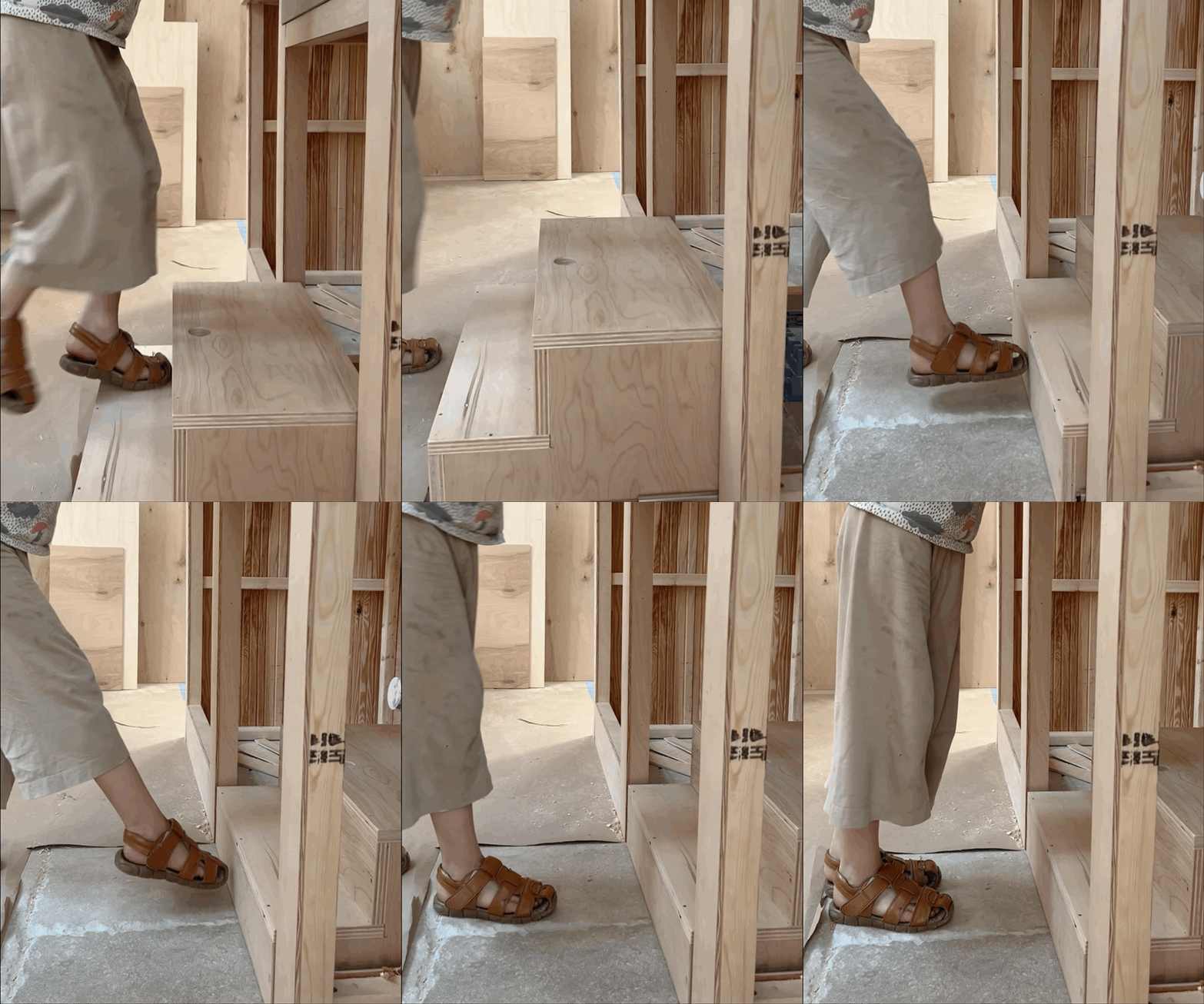
Our oldest is already a pro. Our youngest will take supervising for some time, but at her age that’s the case pretty much anywhere.
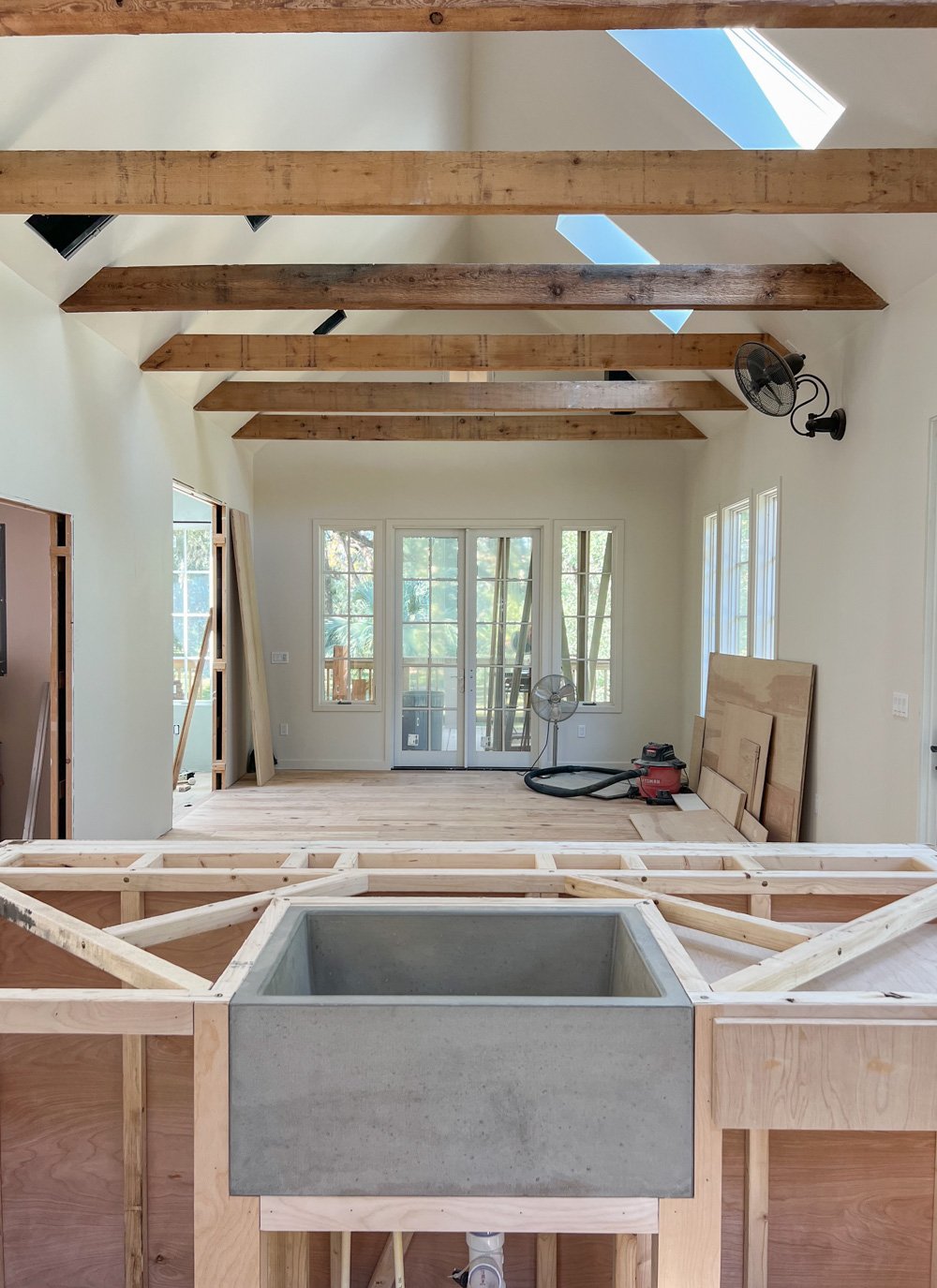
It’s a work in progress, of course, but within the next two weeks it should all be wrapped up and we’ll soon be moving in!

Packing Carry-On Only Bags for Family Travel
Packing light for air travel with children.
When I showed glimpses of the carry-on only luggage that our family took to the Tiny French Farmhouse this summer, I received a cascade of unanticipated comments and questions: “How?” “Impossible.” “Packing list, please.”
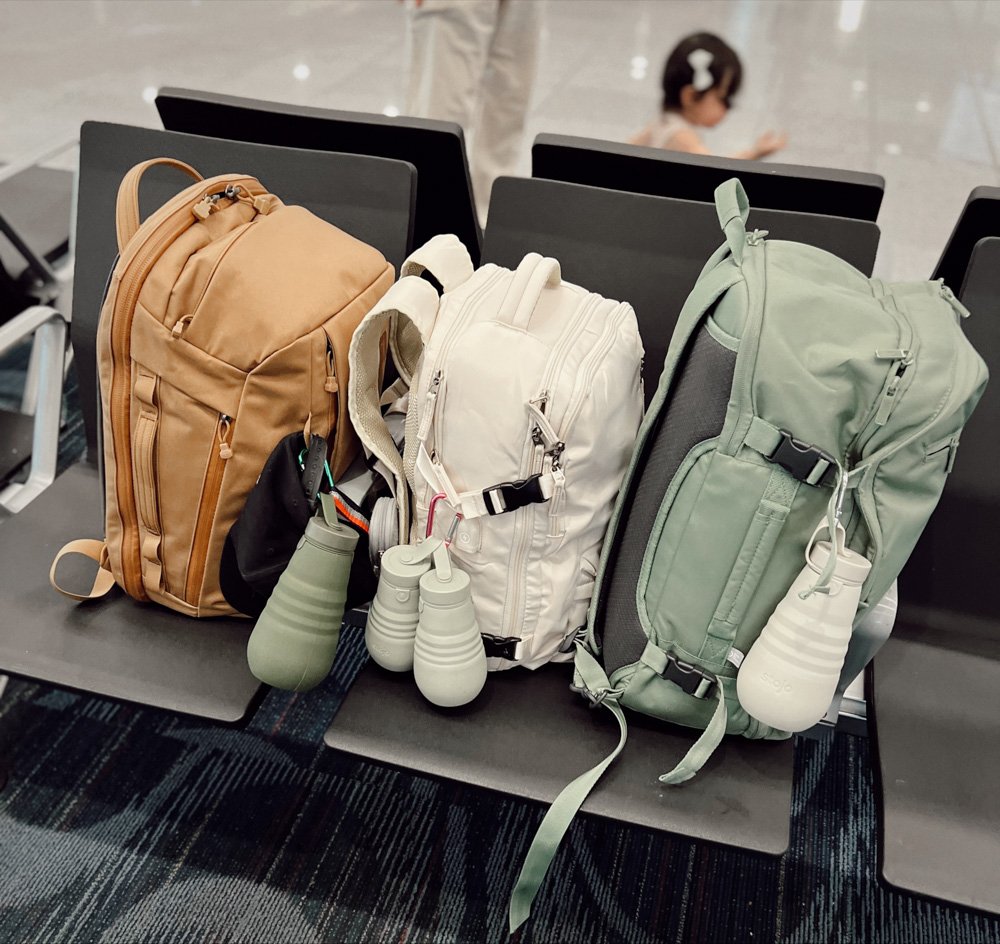
First and foremost, we have somewhat of a cheat when it comes to packing for this particular destination, as the farmhouse is our home and we plan to leave items there over time for increasingly lighter packing in the future. However, since this was only our second visit — and three out of four of us have VERY different bodies and needs than we did the last trip — these were pretty much fully packed bags.
Since most of us are operating on minimal mental bandwidth these days, I’m breaking down what/how we packed into simplified categories below:
BAGS
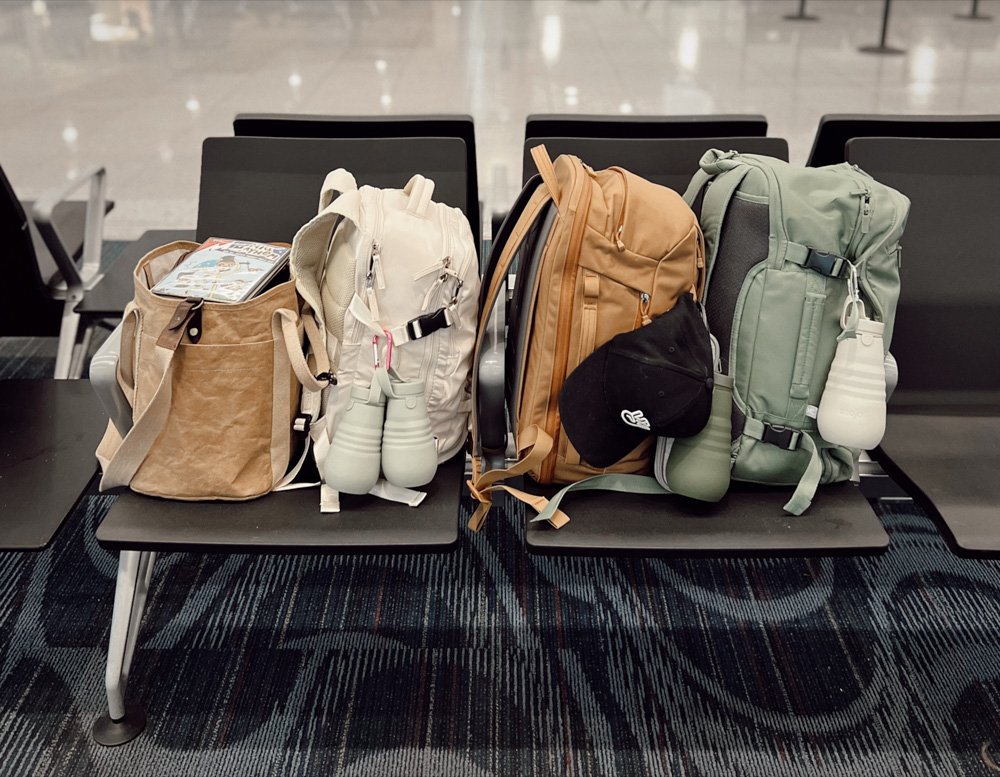
3 backpacks:
~25L juvenile overnight-style backpack (I wouldn’t recommend the one we have — but this one would’ve worked better.)
1 kid’s ride-along convertible suitcase / seat extender
1 washable paper catch-all Palermo tote by UASHMAMA for miscellaneous overflow items
Baby Carrier Mini, in lieu of a stroller (Note: our youngest is small — please read specifications to find a carrier that suits your child.)
BOOKS
While I prefer hard-copy books, Adam and I use an e-reader for travel
For our baby/toddler: Indestructibles (lightweight, slim, flexible, waterproof)
For our young reader, paperback library books / series selected for content AND weight/size

FOOD + BEVERAGE
2 Stojo adult collapsible bottles, latched to backpacks with carabiners
2 Stojo children’s collapsible bottles, latched to backpacks with carabiners
1 Stojo collapsible, lidded bowl/to-go container
4 Sets of to-go cutlery with straws and washable napkins (minus the matching knives
1 Set of beeswax cloths

FOOTWEAR
I find that shoes from the following brands usually travel + wash well, as they’re slim but sturdy and flexible:
Rothy’s
AllBirds
Bensimon
FEIT slippers
Note: Rothy’s — both the men’s and women’s styles — are also versatile for dressing either up or down.
TOILETRIES
Shampoo + conditioner bar
All-age tin of sunscreen
Toothpaste tablets
Travel first aid kit
One shared travel-sized bamboo brush
Menstrual cup
LastSawb ear swab
Cadence magnetic honeycombs for smaller/specialty liquids.
A clear Stasher bag for all bottles, for easier TSA inspection when required. We then wash and use the bag for other things while abroad.

Above: A TSA-approved size bottle of multi-use Branch Basics cleaner from concentrate for use as detergent and more
TECH
We kept our tech to a minimum, editing cords and plugs and sharing as much as possible between necessary devices. We use a portable, zip-around cord book / organizer to keep everything streamlined.
TOYS
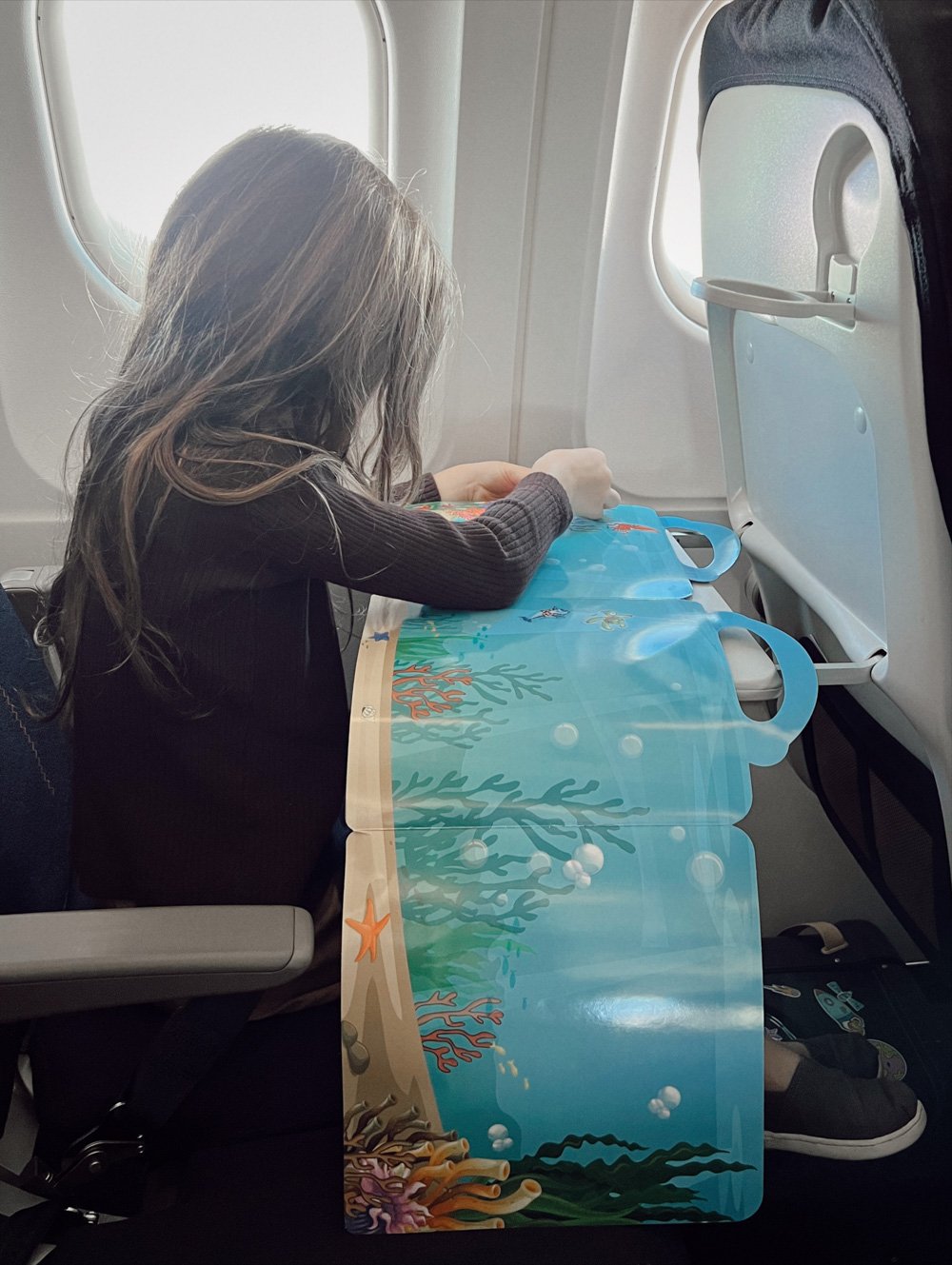
We repurposed small canvas pouches and reusable clear baggies to further organize and corral figurines, activities for fine motor skills, reusable-sticker books, and art supplies. All the pouches fit in the ride-along case with room to spare, since everything becomes undone in travel and needs to fit pell-mell, too. Once in France, we use the pouches and baggies to syphon off activities for car rides and unexpected waits while out-and-about.

CLOTHES + OUTERWEAR
This is so specific to preference, region, time of year and individual needs that I see no point in getting TOO specific. But since we knew we’d be able to wash our clothes, we only needed the following:
A TSA-approved size bottle of multi-use Branch Basics cleaner from concentrate for use as detergent and more
3 days worth of outfits each
1 overnight outfit each
Specialty gear like swimsuits and water-repellent jackets
