
One Small Step Towards a Cleaner, More Stylish, Eco-Friendlier Kitchen
In a small space, little details are particularly important. Because with less room to store daily items comes the frequent necessity to keep all sorts of goods out in plain sight. This by no means has to be a negative thing.
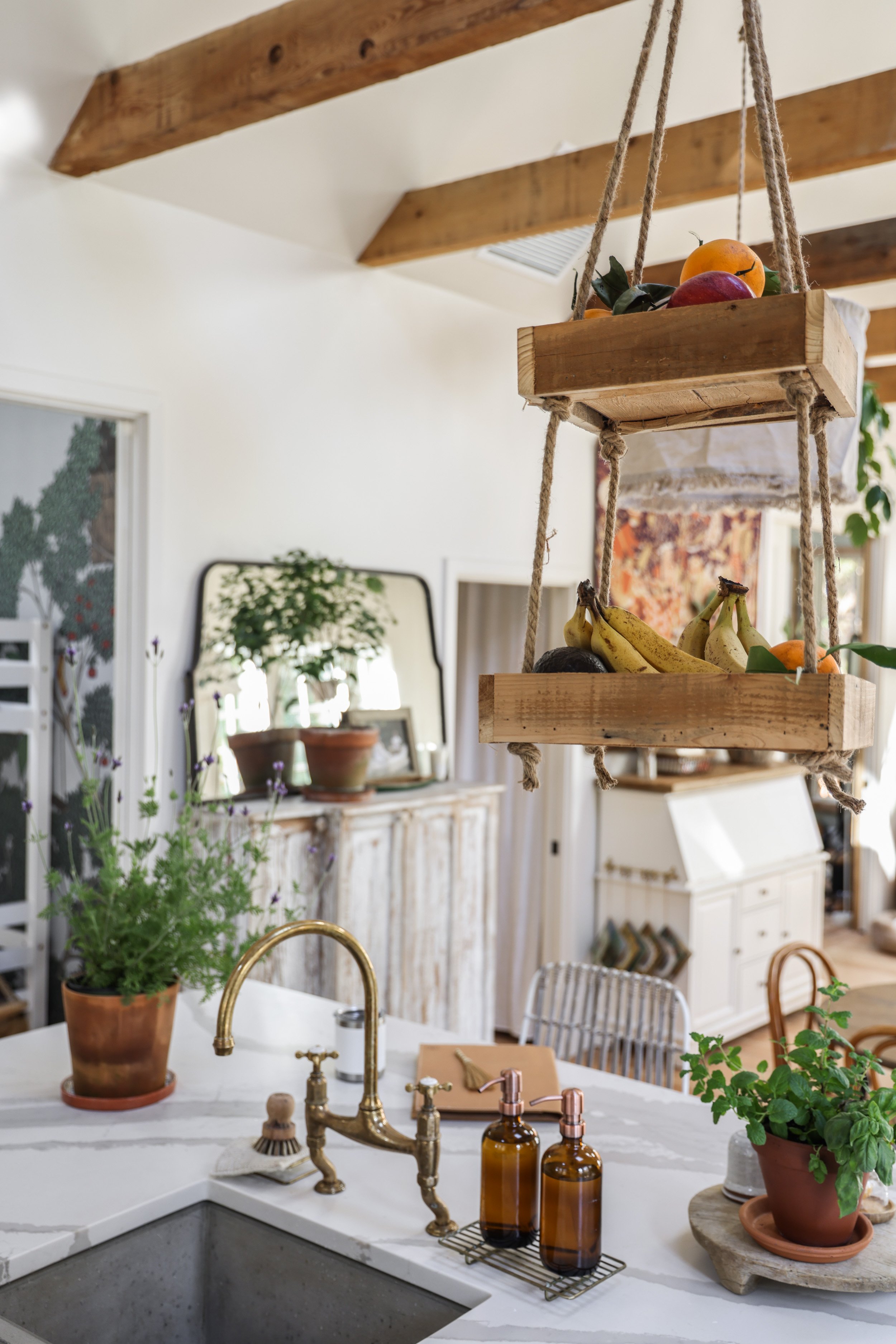
One little detail that elevates a kitchen time and time again are mindfully selected cleaning materials, including sponges and cleaning brushes. More importantly, eye-pleasing alternatives are usually more eco-friendly and budget-savvy over time.
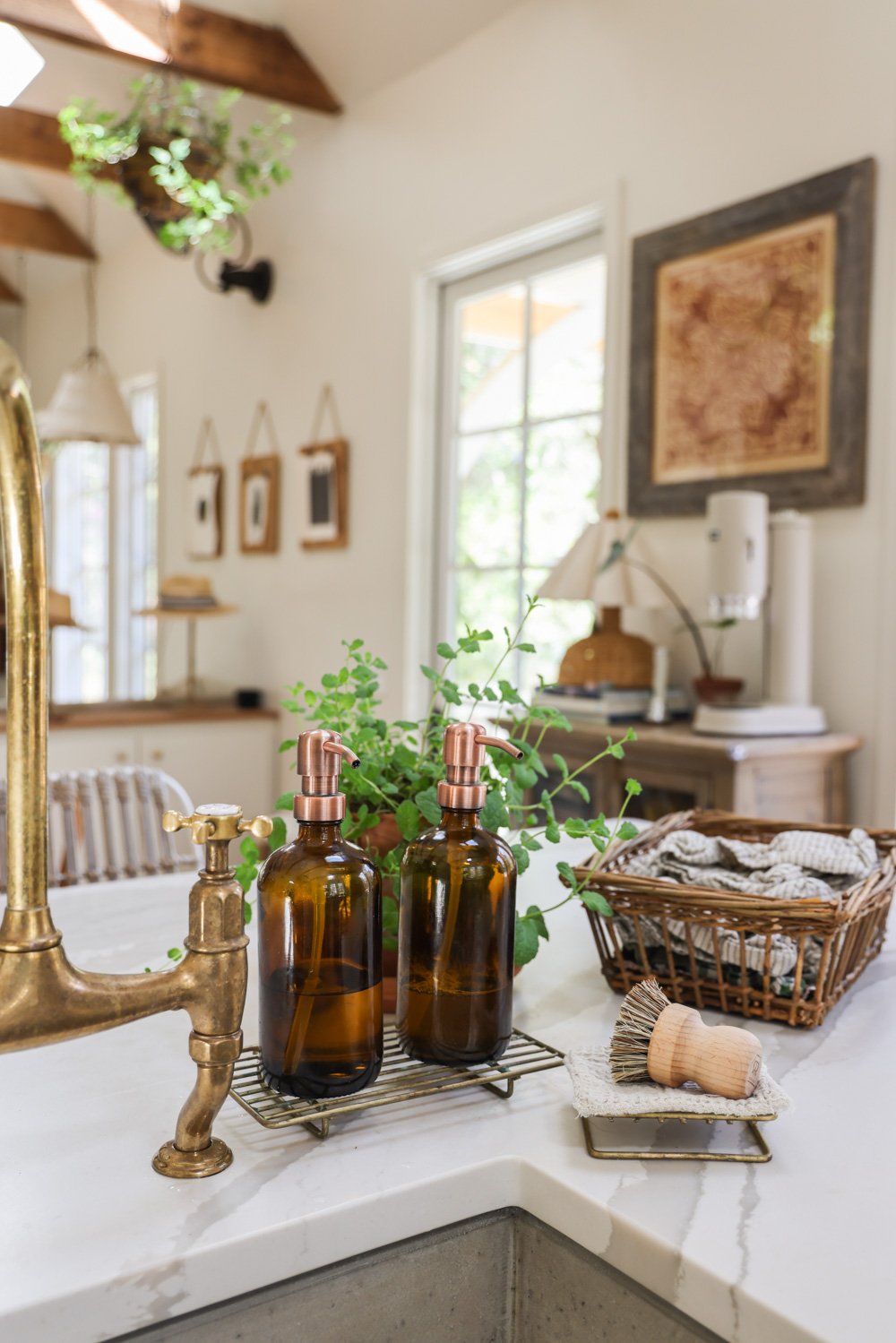
Typical sponges are made of plastic, with toxic dyes, and synthetic disinfectants. Not only are they less healthy for your body, but they’re also less healthy for the planet, as they cannot be recycled or composted, and even shed micro-plastics into our waterways and aquatic ecosystems. Plus, let’s be honest. They’re usually hideous.
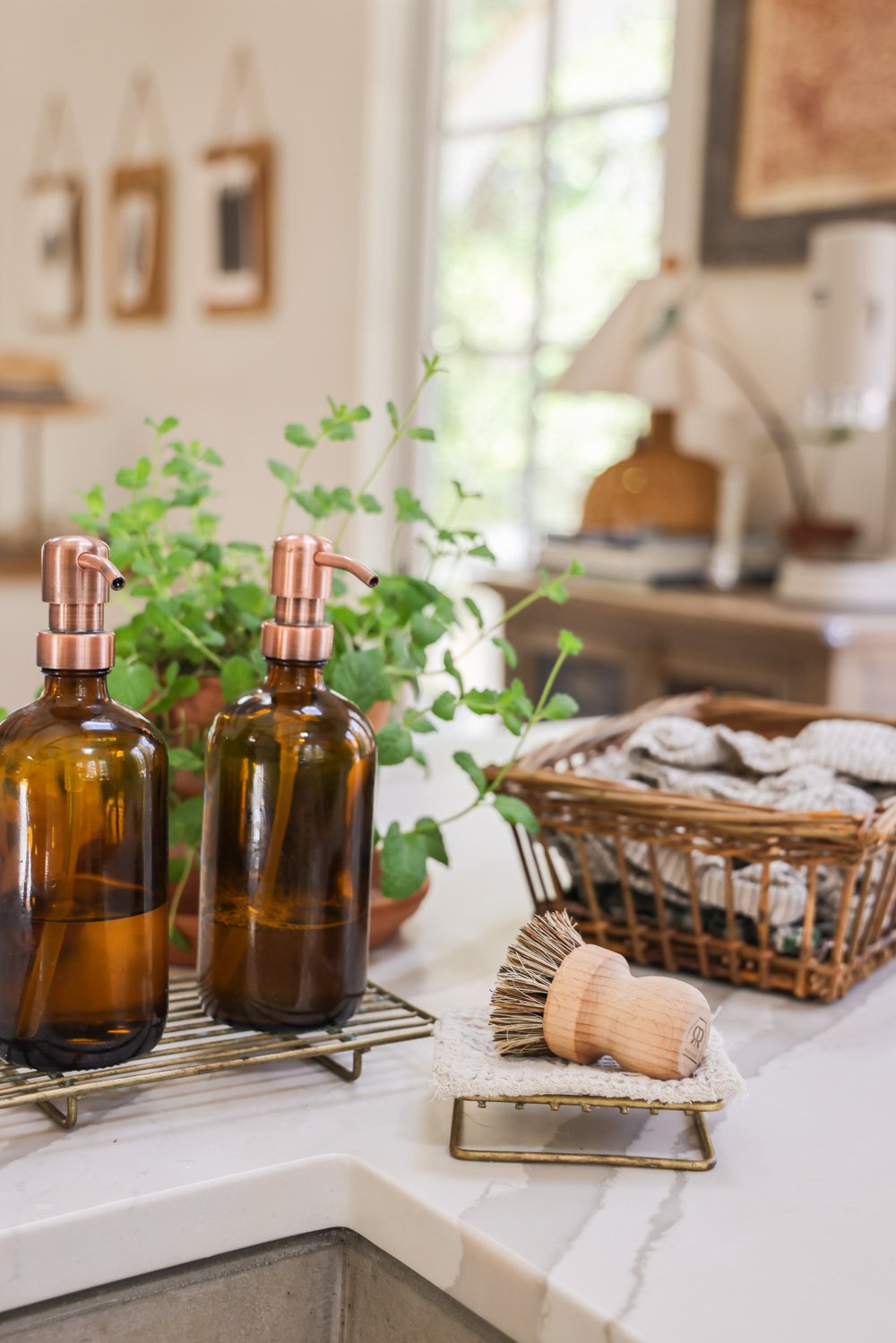
As always, if your current cleaning supplies are functional, don’t toss them out in exchange for the following. Instead, as the existing goods wear out over time, consider these (or other) greener alternatives. Here are my three favorite sponges + sponge alternatives that are kinder to the Earth… and kinder on the eyes:

SPONGES
These handmade, reusable kitchen sponges are compostable at the end of their life, and are machine washable and dishwasher safe. They’re comprised of dual layers of antimicrobial bamboo pressed between two layers of thick and scrubby, unbleached cotton waffle-weave fabric. The cotton is pre-shrunk to make it optimal for scrubbing, and to help minimize further shrinking.

SWEDISH DISHCLOTHS
These dishcloths are made of FSC certified 70% cellulose and 30% cotton, and are are 100% biodegradable. Ours are from this particular company, which donates 1% of every purchase to non-profits through 1% For The Planet, supporting environmental restoration. The dishcloths can be used for wiping, polishing, or scrubbing, and can replace 17 rolls of paper towels each, as well as packs of disposable wipes, and even sponges. Not only are they an eco-friendlier alternative, but they also absorb 20 times their weight. (We keep one at our kitchen sink to wipe the counters down, and one in the bathroom to wipe the vanity.)
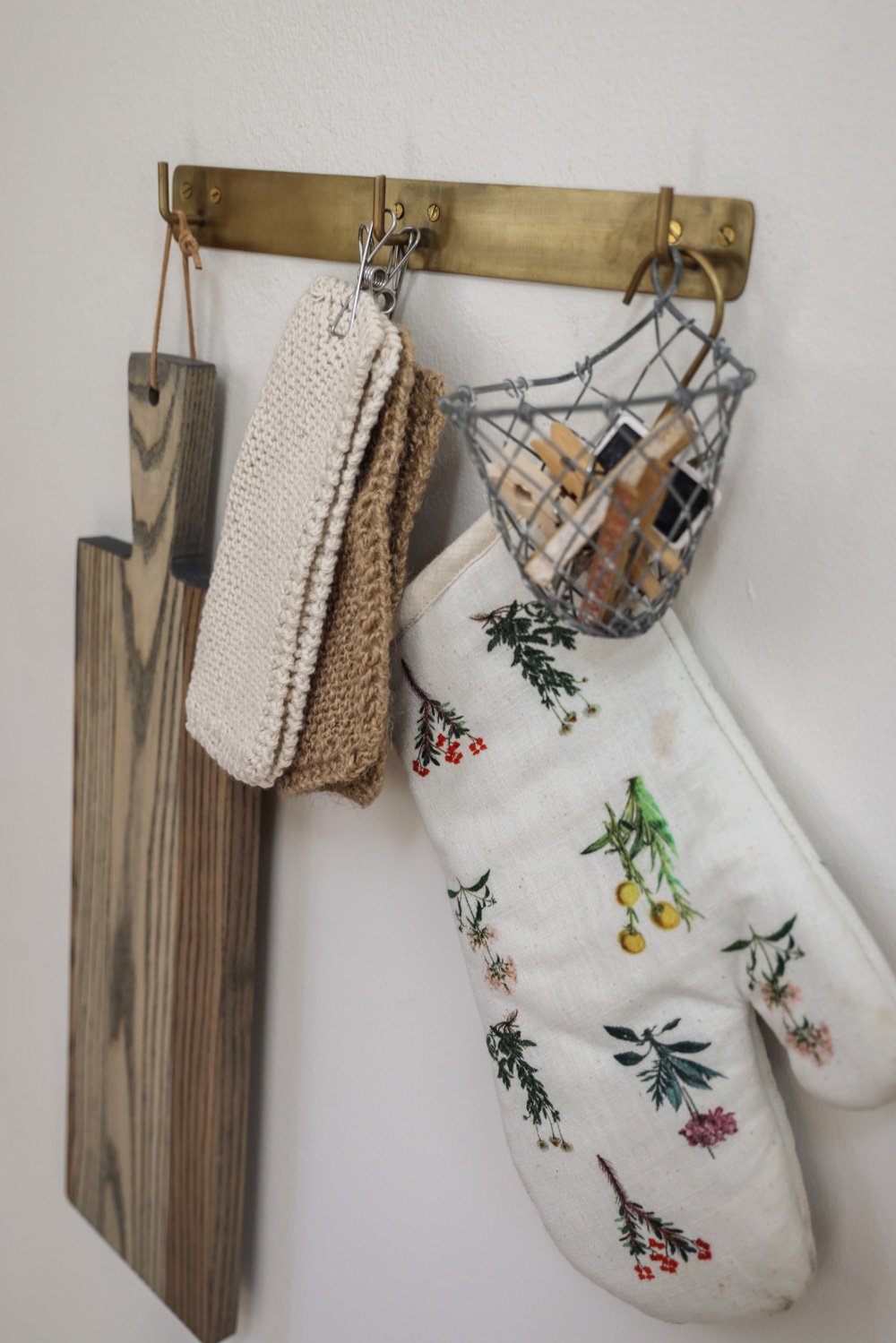
SCRUBBER SET
This organic cotton and jute scrubber set (7” x 7” each) scrub without scratching, allowing you to replace your disposable scrubbers with these tough cleaning, long lasting organic alternatives.The set includes one hand knit jute scrubber and one hand knit cotton scrubber, both of which are machine washable, plastic-free, synthetic-free, toxin-free, compostable, and biodegradable.

Low Waste Holiday Wall Decor for Small Spaces
Creative, low waste alternatives to Christmas trees for small spaces.
Not enough room for a tree in your small space? Here’s one easy way to use fresh greenery to create space savvy holiday decor for a small home. (View the 30-second video here.)

List of supplies:
Live branches
A bit of rope
A nail or damage-free Command strip
Battery-operated twinkle lights (we use rechargables)
A zip tie (to attach the battery pack to the back of the branch)
Clippers
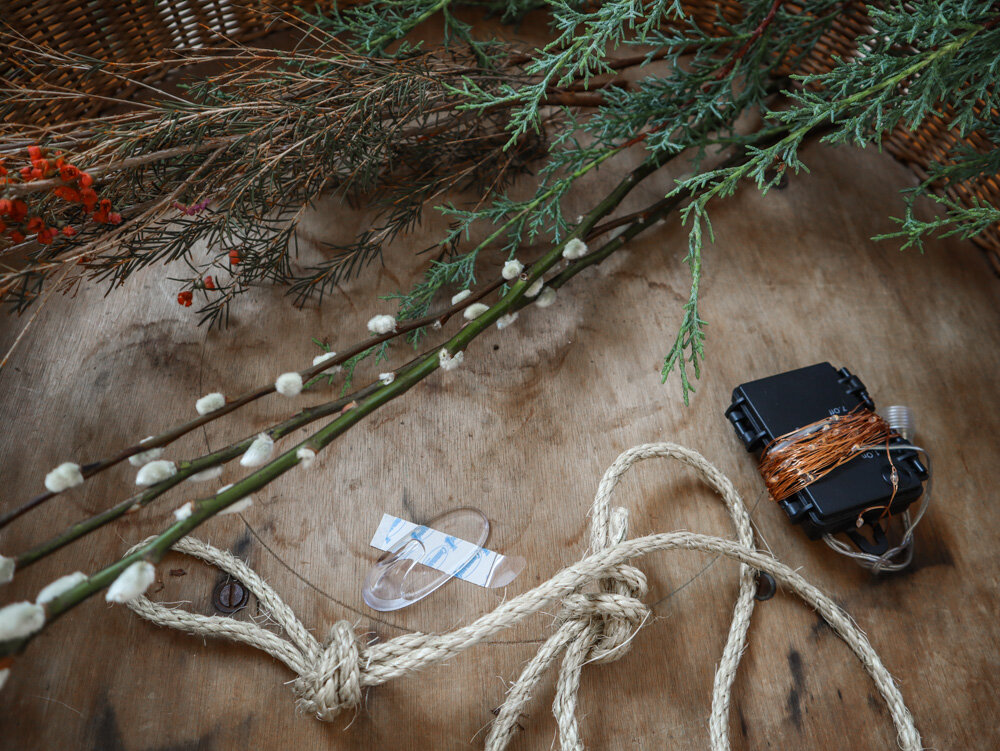
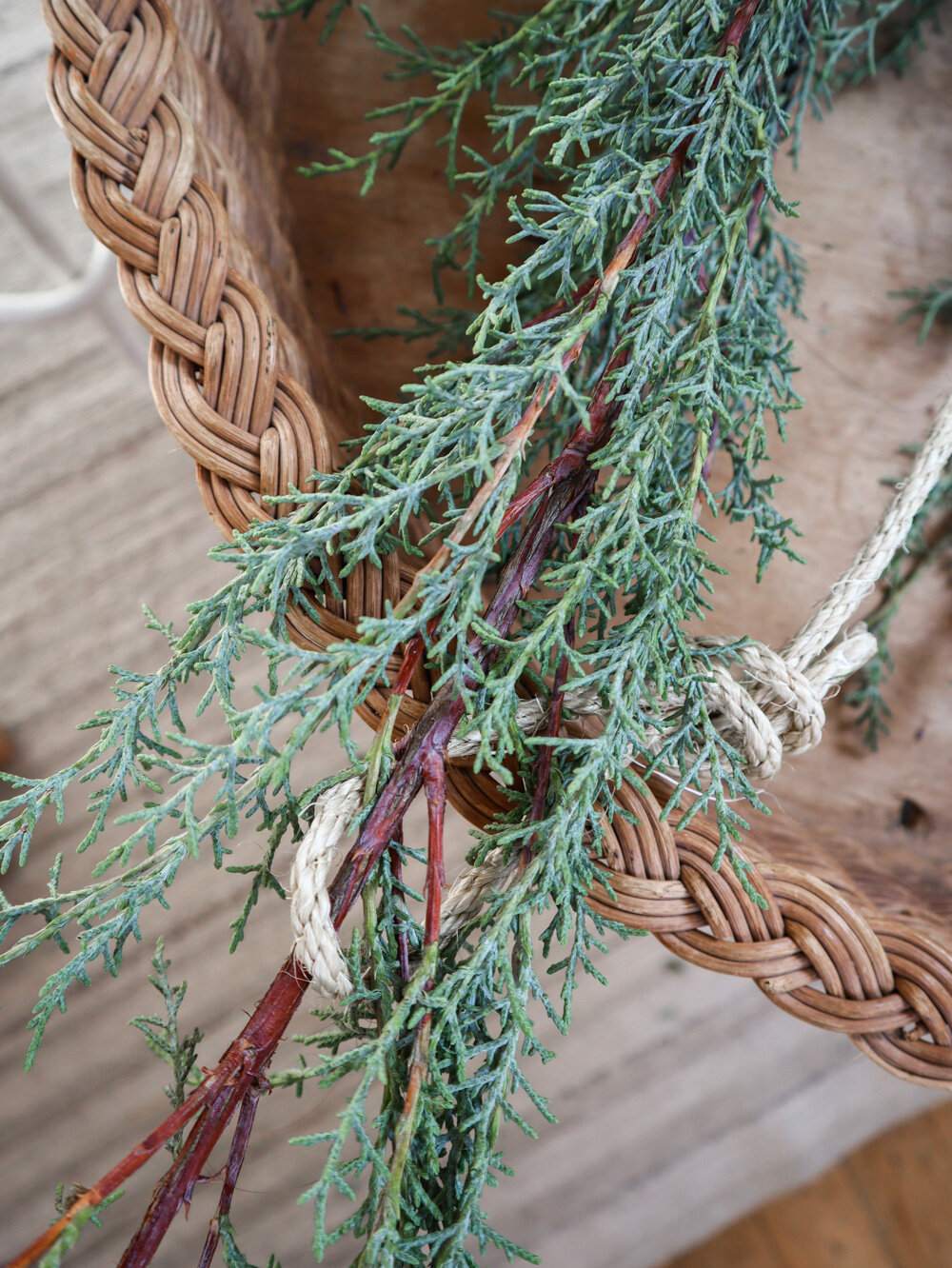
I simply wrapped the twinkle lights around the branch, tied the rope to either end, suspended the entire piece from a sturdy wall hook, and then added small florals and twigs throughout the branch for a pop of color and variation in texture. I carefully spritz the branch with a bit of water every few days, and replace the bright floral clippings as needed after they’ve fully dried up.

The final result is simple yet striking. And, best of all, at the end of the season the rope, hook and twinkle lights can be reused, and the greenery can go in the compost.

Low Waste, Small Space Holiday Wall Decor
Not enough room for a tree in your small space? (Same here, although our 4 year old might wear me down with his requests to get a tabletop version this year.) Either way, here’s one easy way to use fresh greenery to create space savvy holiday decor for a small home. (View the 30-second video here.)
List of supplies:
Live branches
A bit of rope
A nail or damage-free Command strip
Battery-operated twinkle lights (we use rechargables)
A zip tie (to attach the battery pack to the back of the branch)
Clippers
I simply wrapped the twinkle lights around the branch, tied the rope to either end, suspended the entire piece from a sturdy wall hook, and then added small florals and twigs throughout the branch for a pop of color and variation in texture. I carefully spritz the branch with a bit of water every few days, and replace the bright floral clippings as needed after they’ve fully dried up.
The final result is simple yet striking. And, best of all, at the end of the season the rope, hook and twinkle lights can be reused, and the greenery can go in the compost.
P.S. Here’s an alternative for folks who prefer an artificial, ready-made version.

Interior Decor x Sustainability
The intersection of interior design and sustainability has increasingly been on my mind.

I’ve recently found myself turning almost entirely away from freshly manufactured goods— even those made with renewable resources— and returning instead to vintage, repurposed and found objects.


The tug in this direction is, of course, partially due the environmental footprint associated with creating new items. But it’s also a result of being uninspired by seeing the same designs seemingly on repeat for years in the digital and physical worlds.


Even if a place that’s cobbled together with vintage goods isn’t exactly my style, I appreciate its originality, and the limitless number of unique permutations a space designed with a wide array of pre-loved items can take.


As it pertains to this topic, I was particularly roused by three moments over the weekend:
• I gave my son a small vintage wooden wishing well that I found on Etsy. The piece is a bit of a mess, with exposed, dried glue and wonky hardware, but West is enamored with it all the same. I used some pliers to swap out the rope that came with the well, replacing the accessory with an old garden chain and hook. I added a “bucket” made from a stainless steel creamer cup wrapped in a rubber band, and thus far, this delightfully pell-mell contraption has kept my son engaged in HOURS of imaginary play. And weirdly, it’s quite pretty.

• I indulged in reading The Foraged Home, and found myself reveling in every out-of-the-ordinary detail. Not only did I admire the artistic designs showcased on the pages, but I also appreciated the accessibility of many of the spaces. Here in Los Angeles, buying vintage furnishings and accessories can often cost more than buying new, which makes second-hand shopping prohibitive for many (if not most). This book was a spirited reminder that “found” can just as beautiful as “sourced” if we take our time, and if we approach our spaces with pared down needs and expanded creativity.


• Suay Sew Shop, a local business that uses repurposed and deadstock textiles to craft their designs, posted this photo on Instagram, and part of their caption read: “Developing sentimental attachments to material things is something we have worked against, except now we might have to reinvent what that means. Loving our clothes, making them last along with our daily adventures in life will in fact improve the health of our planet. Being so disconnected to something that took our planet’s precious resources to create isn’t an option anymore.” The balance between not getting too invested in our belongings versus valuing and loving what we do have (and keeping items out of the waste stream) is something I’ve been considering in depth— especially since decluttering is a topic I’m often asked about.


I agree with Suay's caption, and look forward (with excitement for the shift and anxiety over the urgency) to seeing where that takes us in the months and years to come.

These moments all reminded me that heart, resourcefulness and imagination are major elements of what drew me to the tiny life so many years ago.


Today, the evolving overlap of small space living and greener living remains one of my greatest inspirations, interests, and joys.
