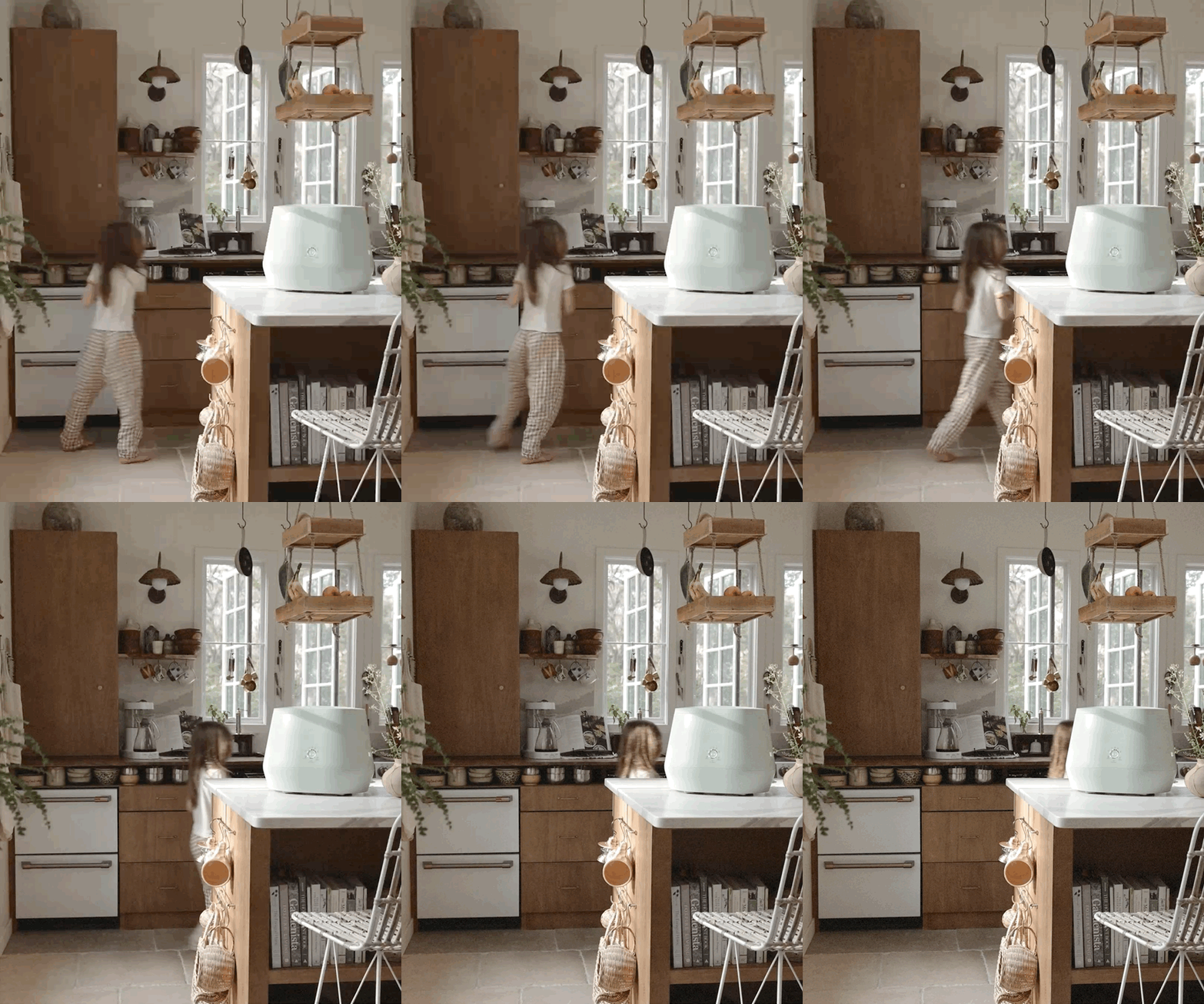
A Carbon Negative Kitchen Appliance with a Positive Impact on Soil Health
Imagine what our world would look like if, at the end of its life cycle, everything nurtured this magnificent earth as nature intended…
What if the world was waste-free? After all, there is no “waste” in nature — humans are the only species that create trash.

Food waste is one of the greatest contributors to climate change, and over 40% of that waste occurs at the household level.

But we have the ability to change this. Food waste is not really waste when it’s handled mindfully.

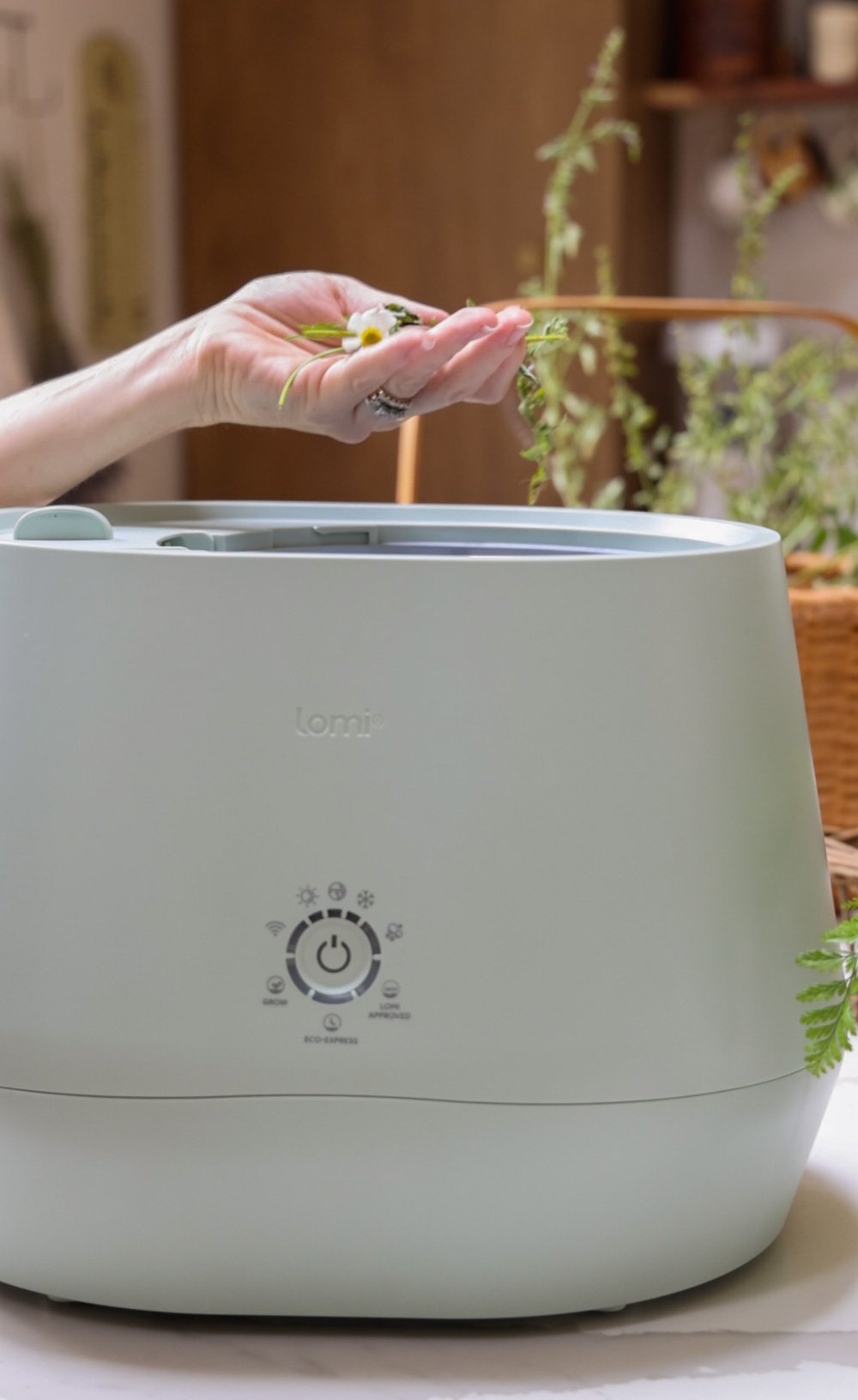
Instead, no matter where you live, food waste can become sustenance for nature, contributing precious natural resources back into the earth. Now, at the push of a button.

The Lomi Bloom is the only carbon negative appliance, and it can turn fruits, veggies, plant trimmings, yard waste, animal products, grains, and more into nutrient-rich plant food that supports healthy soil and its regeneration.


Lomi Earth — the result of Lomi’s “Grow” mode operating cycle— produces nutrient-rich, organic fertilizer that’s perfect to use on houseplants and gardens. When the Grow cycle is run with a LomiPod, the end result is packed with vital microbes to support plant health, and can also be sprinkled on lawns to improve soil health.

As we know, healthier soils store dramatically more carbon than degraded soils. When Lomi Earth is mixed with other soil and used to grow plants, the organic carbon in Lomi dirt is partially sequestered in soil and as plant matter. As such, not only are we able to avoid the harmful emissions of landfilling food waste, but we can also help sequester additional carbon.

Not only does Lomi Bloom reduce our carbon footprint and enhance our positive impact, it also rewards users in additional ways with every use. Via Lomi’s app, users can track their Bloom’s impact, and receive rewards like Lomi products and other useful, eco-minded items that can help us curb household waste.

Imagine what our world would look like if, at the end of its life cycle, everything nurtured this magnificent earth as nature intended…

Thank you to the wonderful folks at Lomi for supporting our small business by sponsoring this post. All opinions and photos are my own.

Cloth Diapering
Now that West is well into his toddler phase, we've revised our diapering habits here at the cottage. A few things have proven crucial for us, so I'm sharing what we've learned in case it helps anyone else. Almost always, we use cloth diapers from Grovia.

The heroes of our simple system are as follows:
BioLiners - BioLiners are amazing. They're similar in size/weight/form to a dryer sheet, and they catch solids, which makes cleaning West's cloth diapers so easy. (I won't even use a cloth diaper without the liner.) We just toss the used liners into our small diaper pail.
Musical Greeting Cards - YES. HEAR ME OUT ON THIS! West frequently flails around like a maniac when we're changing his diaper. Musical greeting cards have been the best way to keep him entertained and engaged during changing sessions without handing him an iPad or iPhone. (We're not big fans of screens here.) When he gets tired of a certain card, we just remove the music box and toss the paper into the recycling bin. (Downside: we get the worst songs stuck in our heads. The number of times I've caught Adam humming the hamster song as he cooks is ridiculous.)
Gathre Mats - We use several Gathre Mats every day, one of which is reserved as West's changing surface. We use it on our bed and it works perfectly. Since there's no safety belt, we never leave our son unattended.
Coconut Oil - West had a horrible diaper rash during a stretch of time when we stopped using cloth diapers. (We hadn't been using the BioLiners yet, and it was getting to be a hassle without them. Once I discovered the liners, I really regretted using disposable diapers.) Our son's doctors prescribed 3 different ointments for his skin, but none of them worked for more than a day or two. But safe and natural coconut oil (with cloth diapering) helped the rash go away-- and stay away-- within 2 or 3 days.
Wet Bags - We try to wash the worn diapers every 2 days. In the stretch of time between laundry loads, we keep used diapers in hanging wet bags.
Snap-In Soaker Pads - We do use pre-fold cloths in West's diaper shells, but I prefer the snap-in soaker pads. They're less likely to bunch up or slide down when West is particularly wiggly.


As an important side note, it's estimated that disposable diapers make up over 2% of the garbage in American landfills each year-- that's millions of tons! One of the key criticisms of cloth diapers is that they require an increase in water to wash. Parts of cloth diapers must be washed after every use, but you can reuse shells from hybrid diapers, depending on the circumstance. If you use about the same amount of water as the average American household, washing diapers could account for up to 5% of your total water use.Washing diapers is relatively efficient when you compare it to how much water is required to produce products.
Looking for more conservation tips to apply in and around your home? This wonderful graphic from Arhaus has some easy, helpful suggestions. Their philanthropy page contains links to even more info.