Rightsized Furnishings via Small Sized Businesses
In this post: Celebrating Small Business Saturday, as well as updates & milestones in the cottage.

This month we approached the one year anniversary of moving into our little guest cottage in the southeast. Our architect and I designed this ~900 sqft structure with great care, as it’s an essential component of the part-time, multigenerational arrangement that allows us to slowly restore the Tiny French Farmhouse abroad as time and budget allow.
Overall we’ve been pleasantly surprised with the efficiency of the cottage, which really does function as we’d hoped and envisioned it would. But when we moved in one year ago there were still several construction tasks left unfinished, as timelines and budgets ran dry (as they presumably do for the majority of folks, despite the highly polished interiors we often see online that can lead us to believe otherwise).
For example, there’s a 4’-long utility “hallway” that connects the main room (living space / kitchen / dining room / entry) to the bathroom / laundry room combo, and that tiny space was left largely undone. The HVAC concealment door that we’d sliced in half and turned into double panel (so we could still fit into the hall when opening the door) was missing hardware and paint. The flooring behind the door was never installed for some mystifying reason. And the opposite wall, which offers a closet-sized nook where the breaker panel is located, was meant to contain a built-in cabinet system that never came to fruition.

The utility alcove connecting the main room on the right with the bathroom / laundry room on the left (as seen using wide angle photography while standing within the HVAC closet across the walkway).

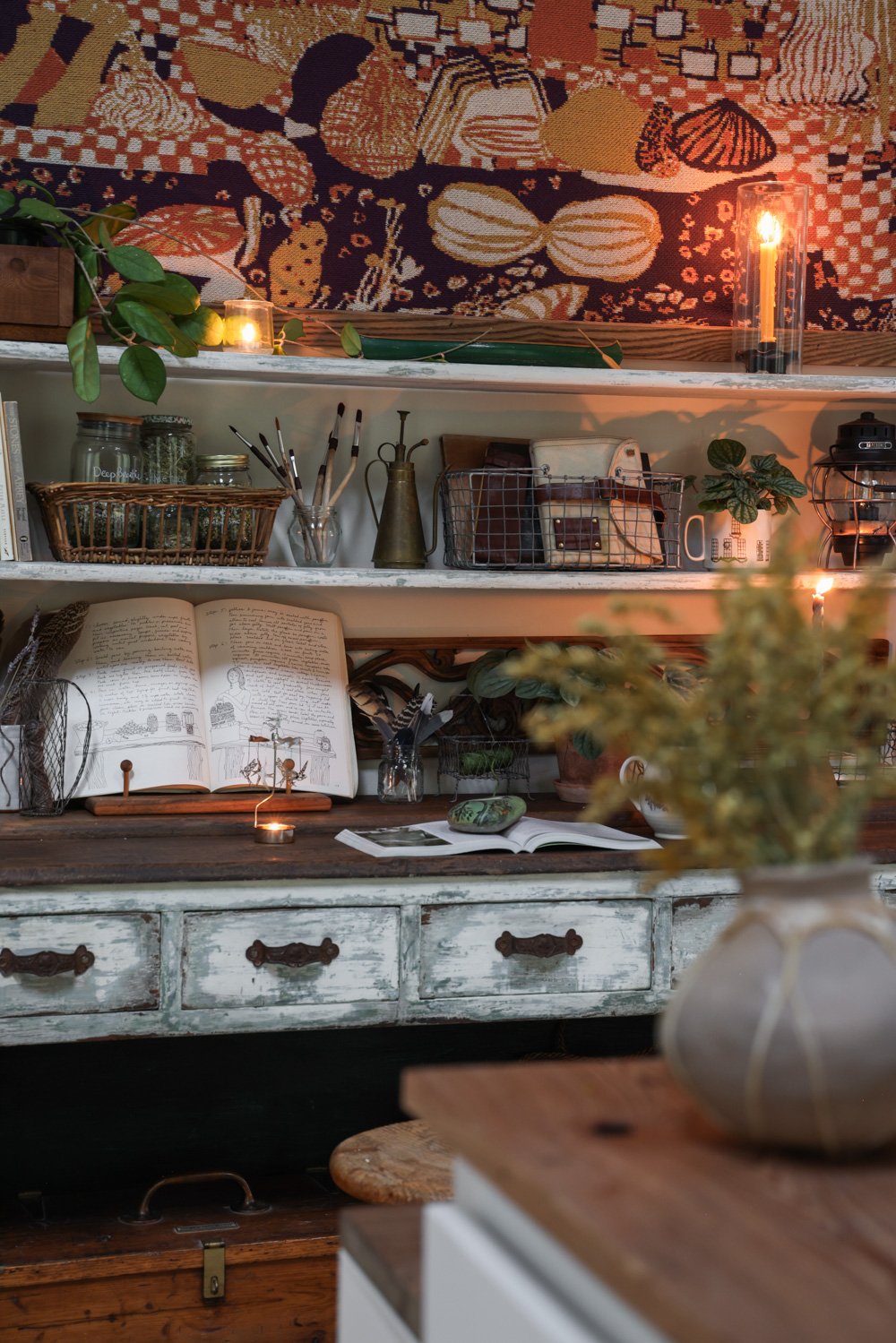
Note: The full version of this post also contains a Q&A with Lyonella Cook of Sandpaper and Wax Design, the artist who restored the newest vintage piece in the cottage, pictured here. A preview of the questions and responses is below:
QUESTION: Sourcing secondhand and vintage are a great way to combat the “fast furniture” trend that is so taxing on the planet. But some older pieces have toxic finishes, making them less healthy for households— particularly homes with young children. What is your approach to addressing this issue?
REPLY: I have made it a personal business standard to test EVERY SINGLE piece of furniture for heavy metals using FDA/OSHA approved testing kits. Yes it is absolutely more expensive but I believe in guaranteeing a safe product for families. The expectation of safety I have for my own family is the same expectation I have for my clients family. My background is in construction, if there is one thing they drilled home in college and on the job site...safety first!

Wall Decor for Small Spaces
There’s no wrong way to decorate your small home. The differences and diversity among our residences are what make them beautiful and interesting. Colorful or subdued, glossy or matte, patterned or minimal— anything can work if it’s done mindfully with the realities of your specific space in mind. But here are a few tips to keep at the ready if you’re struggling to crack the elusive code on how to best balance function and style within slim size constraints. (And there are 200+ tips in my book, Small Space Style.)

Decorate with Daily Essentials
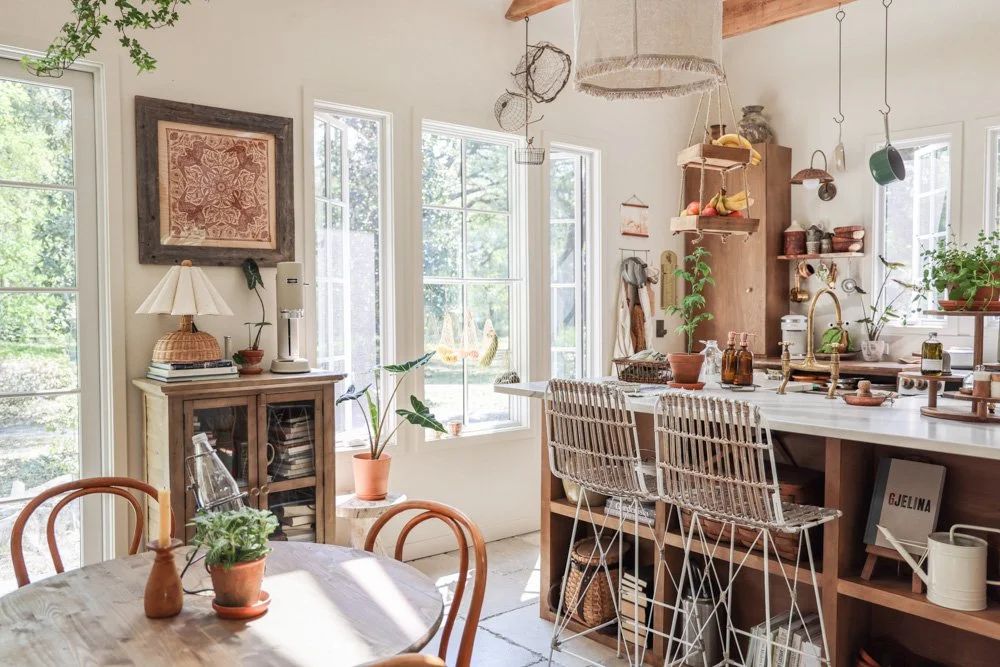
When storage space is pushed to the brink, play around with displaying your more stylish homewares and essentials via walls and other such vertical / suspended formats. While this leaves fewer inches for traditionally framed photos or elaborate window coverings, it frees up an impressive amount of drawer + closet + cabinet + surface space for navigation and daily use. Food, cleaning supplies, kitchenwares, wardrobe accessories, pet gear, and so much more can be on full display and within easy reach, while adding an entirely unique look to your home.
Play with Scale
More often than not, I’ve found that standard frames and typical print sizes aren’t best suited for small spaces, where it can be particularly impactful to play with scale. For example, with furnishings and wall decor it’s often helpful to go larger than one might first consider, as this can help sidestep visual and physical overcrowding. For example, a gallery wall might make a compact room feel overwhelmed, and an apartment-sized living room set can sometimes make navigation tough, whereas one roomy couch and a clever accent table might do the trick while avoiding access lines and adding extra comfort.
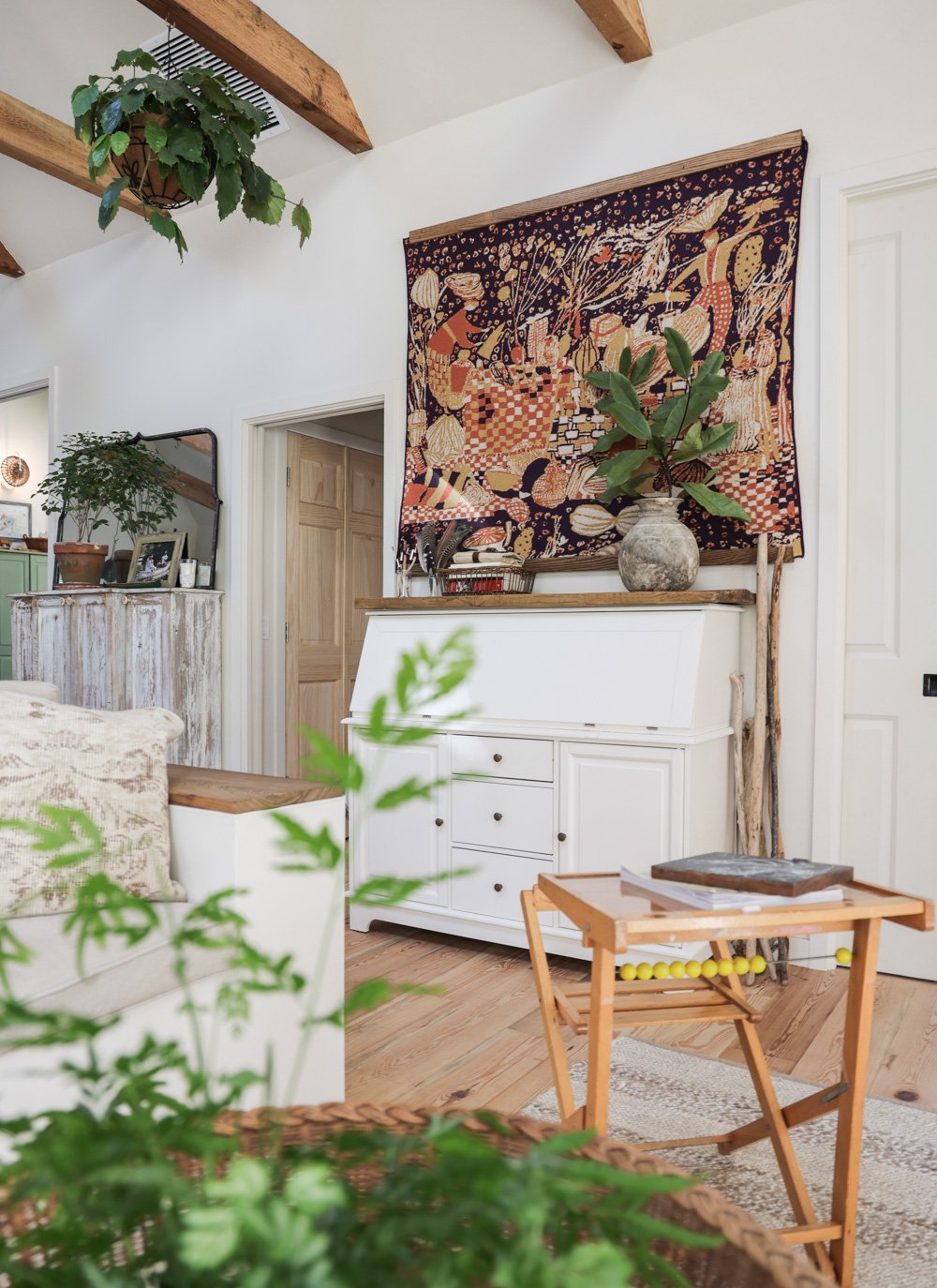
In our new cottage we suspended a large quilt in the living space / office, where it makes a big impression without making the walls feel closed in. By contrast, we’ve placed tiny, 2” frames around the house to keep family photos in sight without requiring a “gallery wall” or consuming space that’s better used in other ways.

Extra small brass frames from Connected Goods
Be a Good Steward of the Planet
There’s no shortage of mass-produced, “fast” home decor, such as generic signage, faux antiques, and synthetic plants. What if we avoid all of that, and decorate with the planet in mind instead? Responsibly-sourced vintage and secondhand goods, foraged finds, and daily essentials are all fantastic ways to adorn your walls and surfaces without contributing to the degradation of our one magical shared home.
Get Help from Hardware
Hooks, racks, and multitasking wall units are a small space dweller’s best friend. Invest in a dozen s-hooks and you’ll realize just how valuable and versatile they can be in every space of your home.

Pregnancy Month 5 / Sheltering at Home Month 9
As we close out November, I’m in month 5 of my pregnancy, and we’re nearly at month 9 of sheltering at home.

We’ve embraced the earlier nights, filling them with glittering lights and fragrant garlands and greenery throughout the Cottage.

Above: A curtain of twinkling lights. (Click here to shop the strands.)
We’ve slowly started decorating for the season. This year, it’s more for something joyful and different to do than anything else, I think…

Above: West wearing his new “Grow With Me” clothes (which last for years and through growth spurts) from Caribou Kids Clothing.

West has picked some of his own ornaments, like a little bird’s nest made of vines, and a bundle of acorns he keeps in an repurposed box on the vintage coffee table.

Our neighbors are still sharing their amazing food with us, while Adam bakes us all sourdough bread to share a few times per month.

This miraculous bump is growing, which is heartening and helps calm my nerves about my “high-risk” pregnancy.

Above: Much-appreciated maternity leggings from Boob Design.
I’m living almost entirely in leggings (pictured above), a loungewear set (pictured below), and a stretchy “Nap Dress” that I suspect will be particularly helpful when nursing in the months to come.

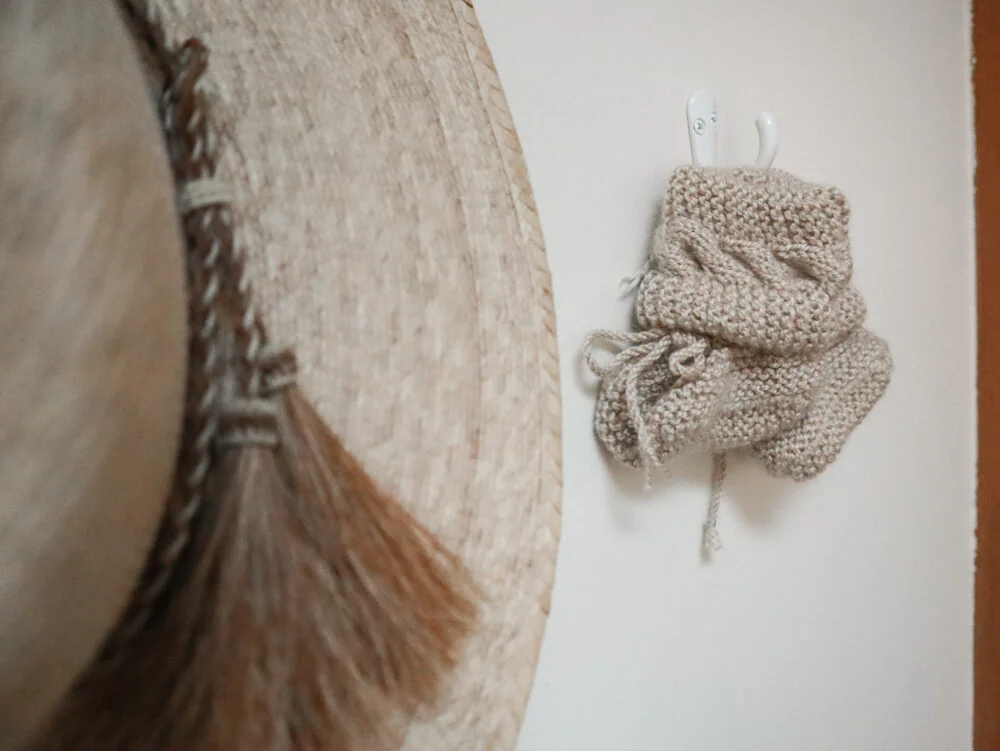
The baby’s first present arrived via a socially-distanced drop-off: a vintage set of handmade crochet booties. Holding them made me process the pregnancy in a way I realized I’d not yet permitted myself to experience.
Our son has grown substantially in recent months, so we ordered him a batch of long-lasting, “grow with me” bamboo clothes, including a holiday set that he’ll undoubtedly wear year-round. (His current grow with me clothes still fit, as they have for years. It’s everything else that he’s outgrown.)


Above: West’s height progression since COVID.


We’ve been attempting our first gingerbread man (borderline inedible) and gingerbread houses (which collapsed within minutes) with West. The excitement of the activity itself is what our four year old clearly relishes the most.


We’re still attempting to be as low waste as possible, using items such as our water carbonator 5-6 times per day, and relying exclusively on things like our bidet attachment. (We’ve bought just one 4-pack of toilet paper in 2020.) I

It’s admittedly more challenging to stay low waste at the grocery store since reusables aren’t permitted in Los Angeles during the pandemic. But we’re still sticking to all the reusables we can, such as our washable face masks and washable un-paper towels, cotton wipes, and so forth.
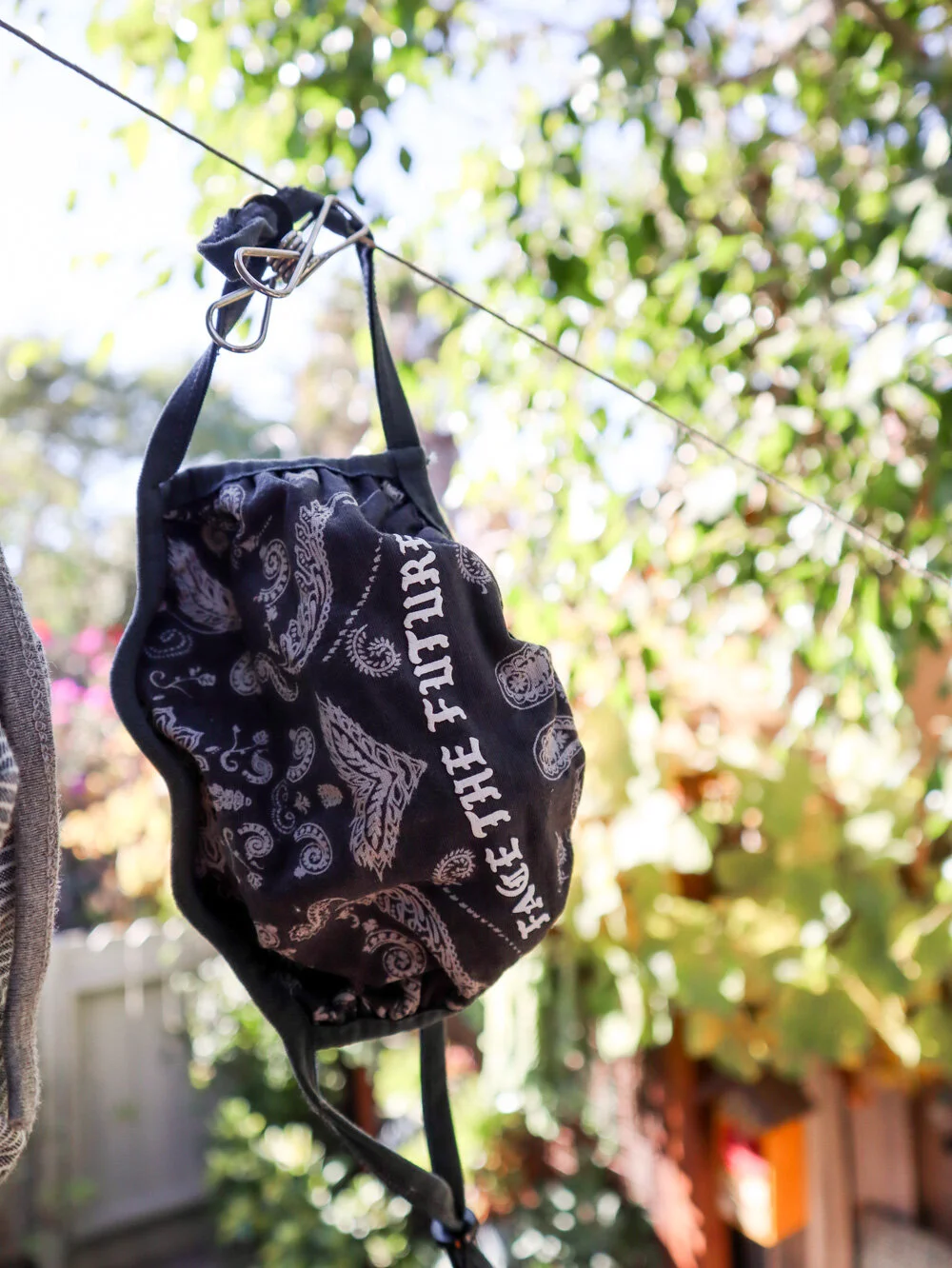
Above: A face mask made with deadstock fabric from SUAY. This mask is a buy-1-donate-1, with the donations going directly from the maker to Indigenous youth, and the leftover dollars going Seeding Sovereignty.

It’s still a rocky season of life for us, as it is for most. But I’m filled with gratitude for our health and home, and for all the medical and essential workers out there who’ve been working relentlessly in order to keep us all safer.

Longer-Lasting, No-Carve Pumpkin Decorating for a Small Stoop
On his birthday last month, our little one desperately wanted to create a jack-o-lantern. Knowing full well that a hallowed-out pumpkin wouldn’t survive long under the fluctuating marine layer and beaming sun in our coastal town, we caved in and carved one.

The results were endearing, but — as expected — only lasted until October 1.
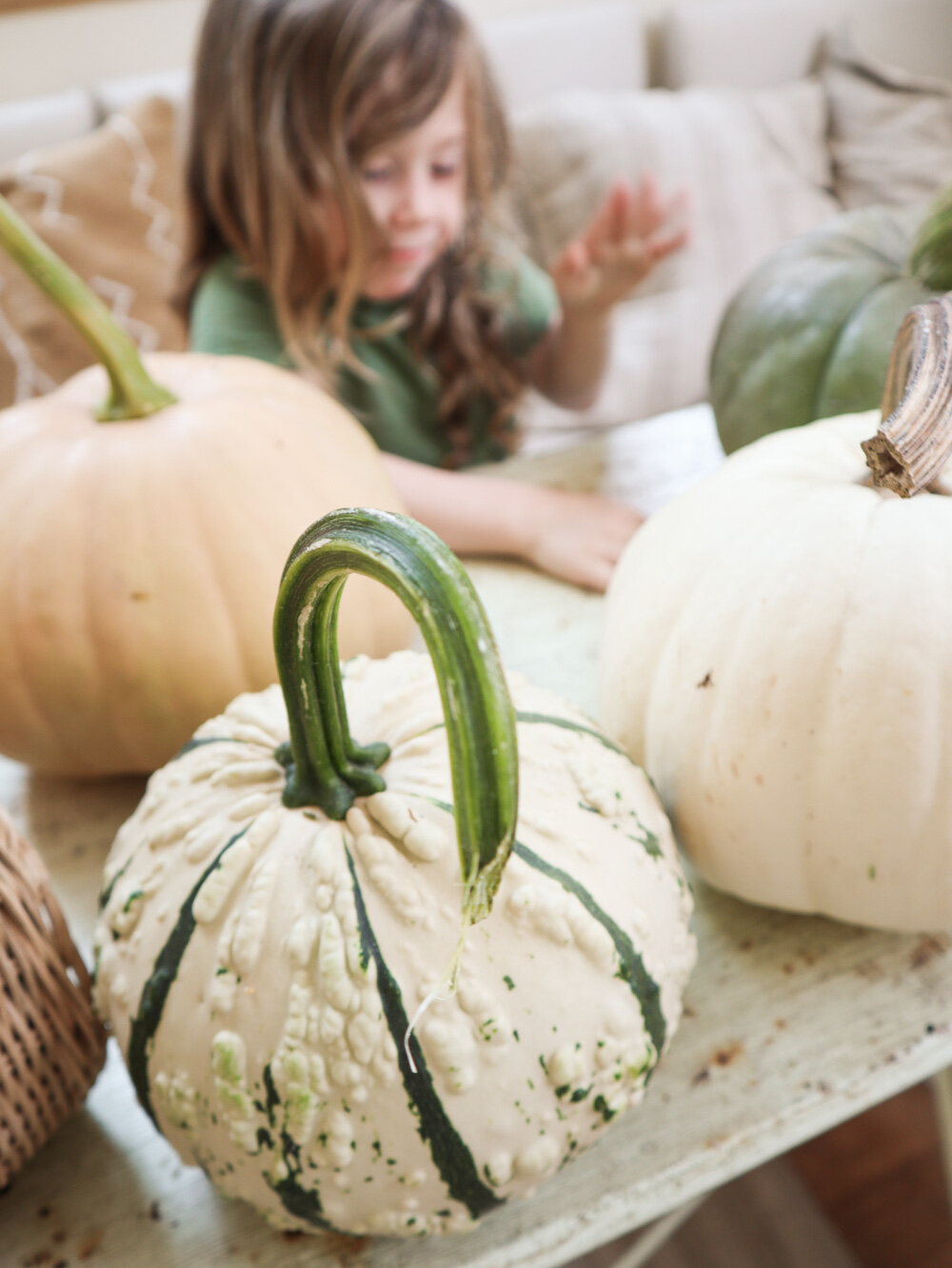
After collecting and devouring a dozen Halloween books in recent days, our 4 year old was adamant about replacing the pumpkin. So we took a Tiny Adventure to a local farm / pumpkin patch, and selected a handful of funny little beauties to introduce to our small stoop. The agreement upon securing the batch was that they would be no-carve pumpkins, with the goal of them lasting longer.

We used the metal pumpkin glasses I found on Etsy years ago, along with a few other decorative facial features (made into stakes) that we found on-site at the farm.
(Click here for the pup version, click here for various other characters.)


The results continue to make us giggle whenever we walk into our home.

We’re not quite done yet. We intend to make a VOTE pumpkin, of course. See you at the polls, or at the ballot drop box, folks. Let’s vote in epic numbers — for the planet and for racial justice — so our voices cannot be ignored.

Tiny Adventures: Searching SoCal for Fall During the Pandemic
In need of some fresh air and a change of scenery, we took a tiny adventure to Underwood Family Farms in Moorpark (just outside of LA) this week.
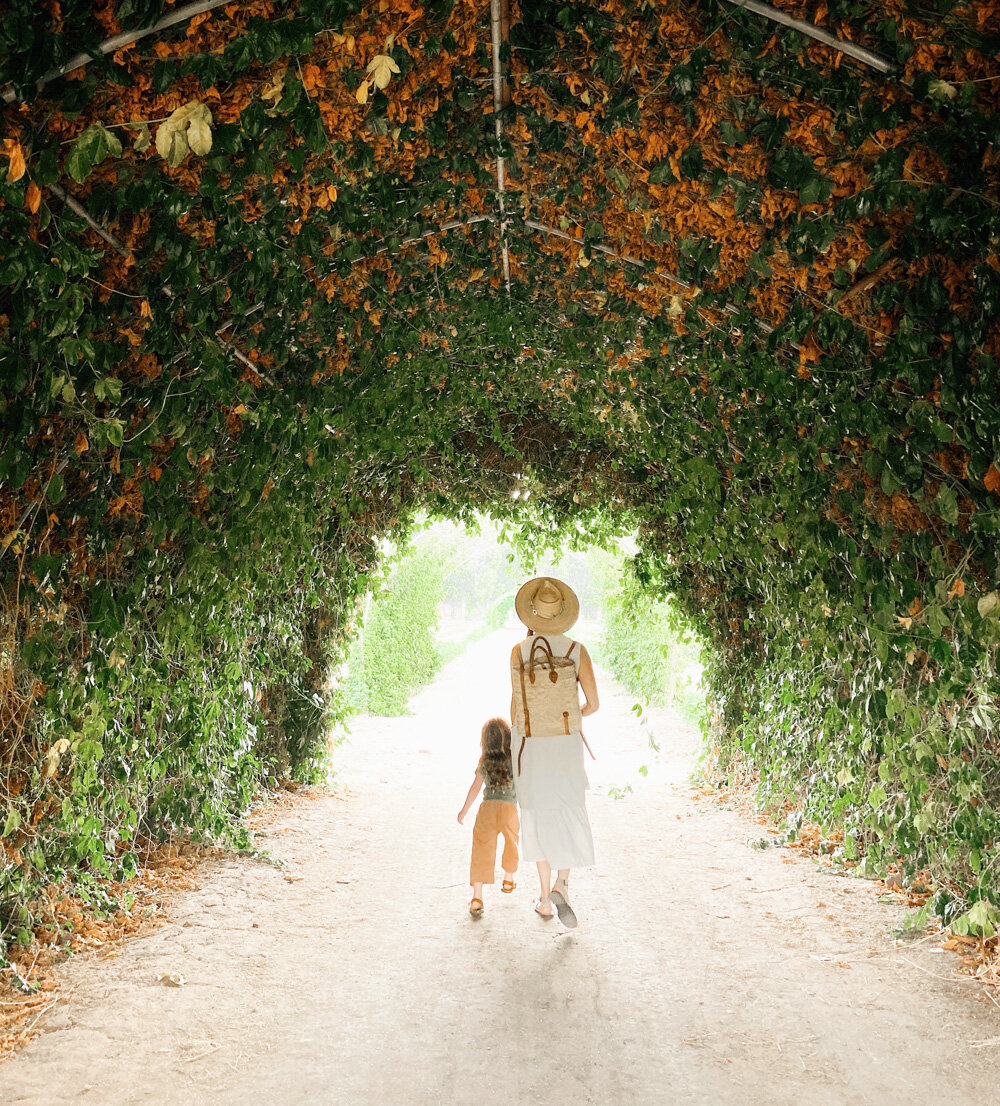
We figured it would be a good way for our little one to stretch his legs while we sourced locally grown pumpkins and produce.
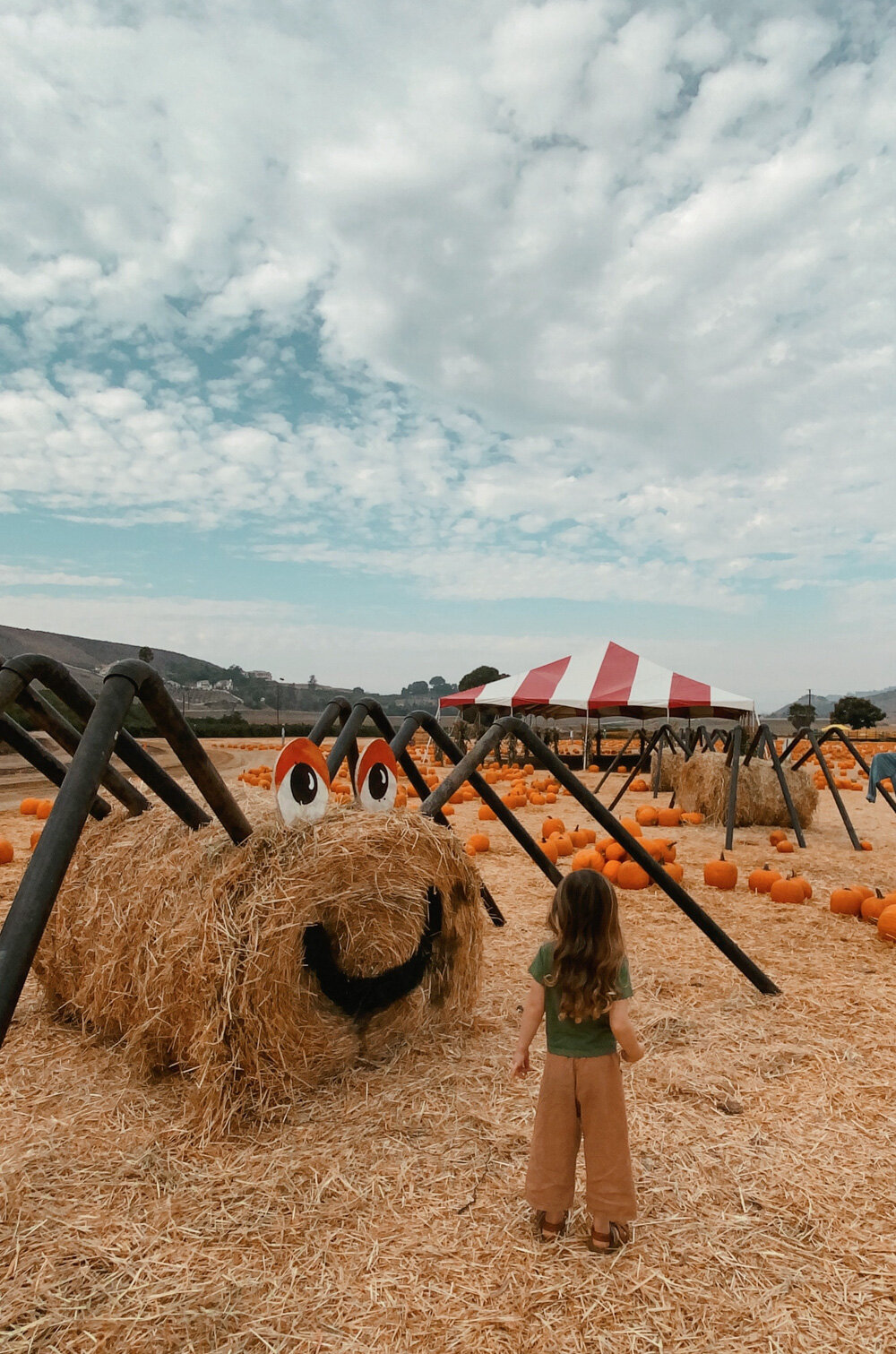

We wore our masks, of course— not just to keep ourselves safer, but to help protect others.

We also adhered to social distancing protocols, and visited right when the farm opened to the public at 9am in order to avoid crowds and the heat.


In order to both reduce waste and possible increased exposure to COVID, we toted our own snacks and beverages as usual.

We brought home a handful of funny lil’ pumpkins.
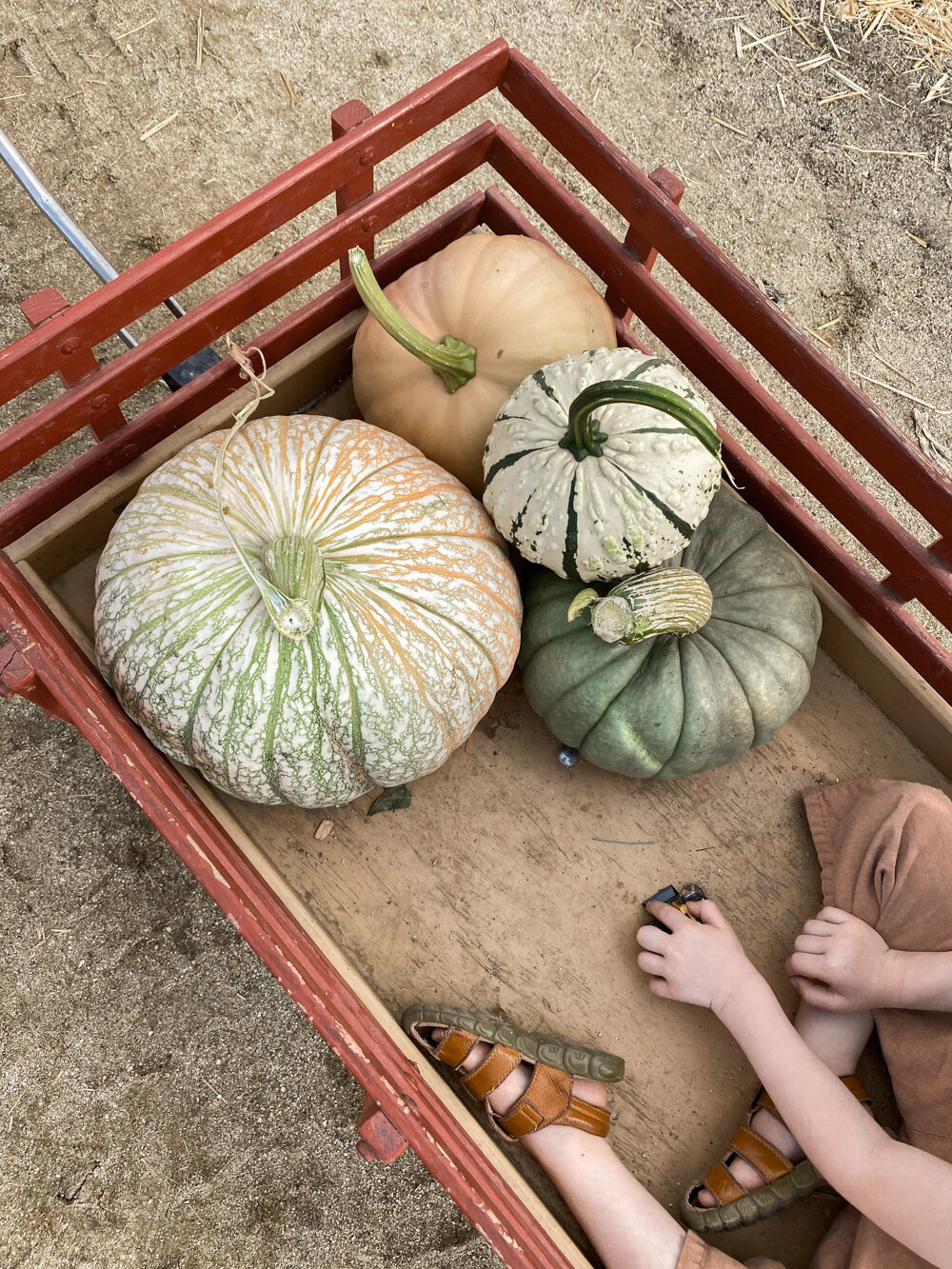
We’ll be decorating them in a no-carve way in order to extend their lifespan. (More on this in the following blog post.)

When we arrived home, we were thrilled to discover our mail-in ballots in our post box. We’ll spend the week educating ourselves on the issues and candidates with which we’re unfamiliar. And in the days to come, we’ll also send out our Vote Forward letters to residents in swing states. After all, October is the new November.

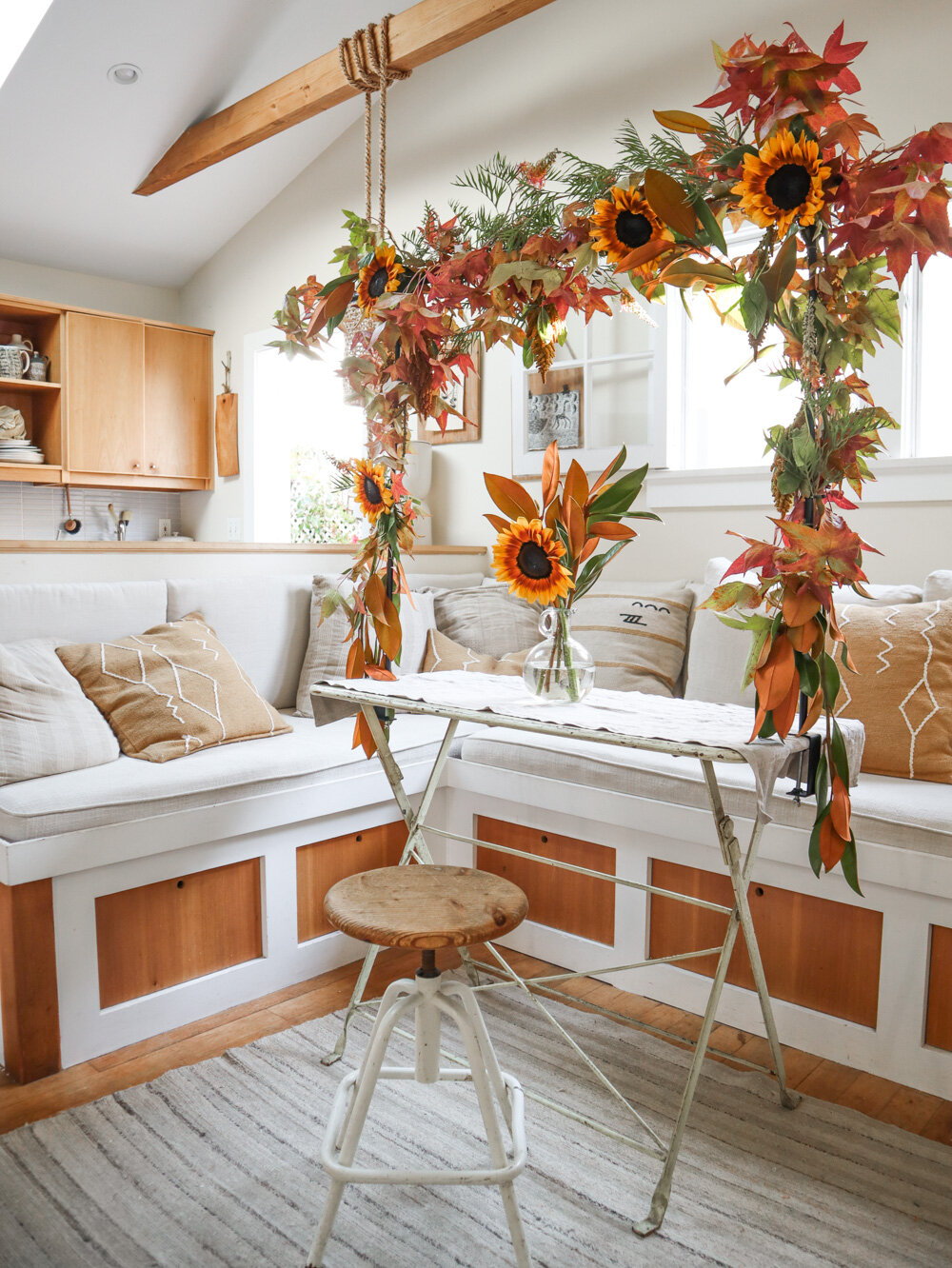
A Living, Over-the-Table Display of Fall Foliage for a Festive Occasion
Post Summary: How we created a space-saving, over-the-table canopy of real branches and flowers in celebration of the little one’s 4th birthday.

Time continues to boggle my mind— our little one turned 4 this week.

I believe this was the first year that he really understood the concept of his birthday. But, of course, it’s also the first year in which a proper party was out of the question due to the pandemic.

We pieced together a simple but festive celebration, replacing hugs with FaceTime calls (sigh), balloons with branches, wrapping paper with household linens (view more photos of this in last year’s birthday post), and a traditional cake with what I imagine must have been the world’s actual biggest donut.

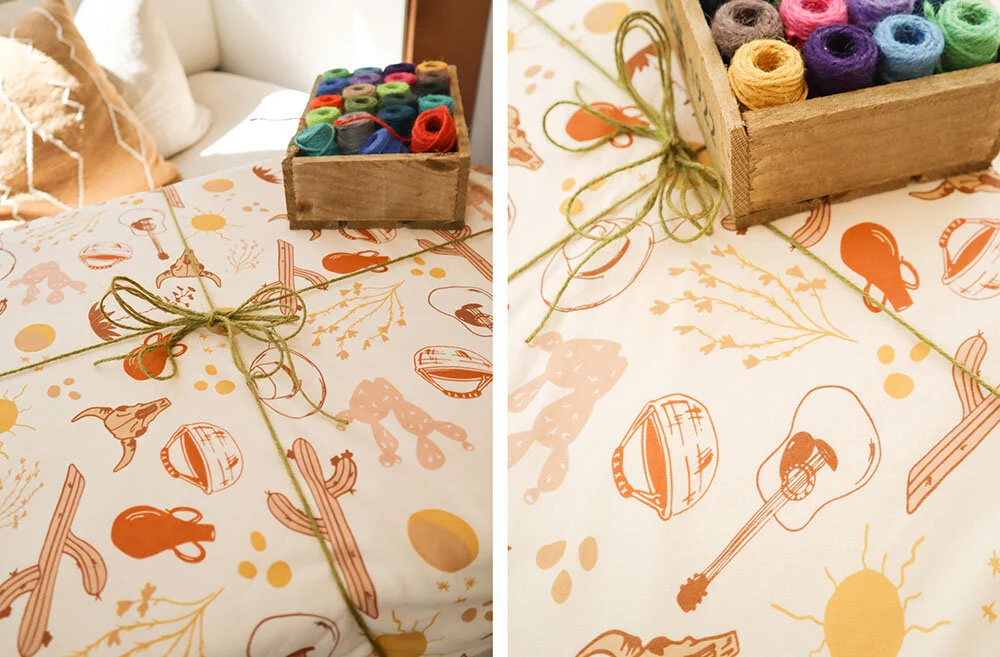
Above: A child’s blanket designed by our friends, New Darlings, doubles as wrapping paper.
The birthday kid helped me create an arrangement of living fall foliage and sunflowers, which we picked up during a swift, masked visit to the flower market.


We used this adjustable, over-the-table system to frame the space-saving display.

What I appreciate about this design is that it consumes no tabletop inches, but instantly creates usable vertical space for a dynamic visual when paired with greenery, hanging lights, and/or decorative accents.

I use zip ties sparingly, as they’re single-use plastic, but I admit to using a handful for this display.

We’d run out of floral wire, as Adam uses it to train the cherry tomatoes on the grow porch, and twine couldn’t support the larger branches.

So the zip ties came to the rescue, making the process faster and much more secure— helpful, given that a (4 year old!) child was actively participating in the creation process.

An hour later, we had a cheerful little spot to quietly sing West a birthday song and attempt to make a dent in that enormous donut.

It was the activity more than the finished product that my son clearly relished the most. Brushing each other’s hands as we reached for the same magnolia branch, our sincere deliberations about where to place the prized sunflowers, and our cartoon-like exclamations when parts of the arrangement tumbled off the rods and crashed to the floor before being properly secured.

When the display dries out later this week, we’ll disassemble it together and tote the greenery to the compost and green bin via our fold-up wheelbarrow, which he loves to hitch a ride in once it’s empty. I vow to indulge him on every wobbly ride he requests— even when my back is sore and I’m behind on work. Time is boldly reminding me that my little one is swiftly becoming not-so-little, and that he won’t fit or delight in our sweet wheelbarrow rides forever.


Interior Decor x Sustainability
The intersection of interior design and sustainability has increasingly been on my mind.

I’ve recently found myself turning almost entirely away from freshly manufactured goods— even those made with renewable resources— and returning instead to vintage, repurposed and found objects.


The tug in this direction is, of course, partially due the environmental footprint associated with creating new items. But it’s also a result of being uninspired by seeing the same designs seemingly on repeat for years in the digital and physical worlds.


Even if a place that’s cobbled together with vintage goods isn’t exactly my style, I appreciate its originality, and the limitless number of unique permutations a space designed with a wide array of pre-loved items can take.


As it pertains to this topic, I was particularly roused by three moments over the weekend:
• I gave my son a small vintage wooden wishing well that I found on Etsy. The piece is a bit of a mess, with exposed, dried glue and wonky hardware, but West is enamored with it all the same. I used some pliers to swap out the rope that came with the well, replacing the accessory with an old garden chain and hook. I added a “bucket” made from a stainless steel creamer cup wrapped in a rubber band, and thus far, this delightfully pell-mell contraption has kept my son engaged in HOURS of imaginary play. And weirdly, it’s quite pretty.

• I indulged in reading The Foraged Home, and found myself reveling in every out-of-the-ordinary detail. Not only did I admire the artistic designs showcased on the pages, but I also appreciated the accessibility of many of the spaces. Here in Los Angeles, buying vintage furnishings and accessories can often cost more than buying new, which makes second-hand shopping prohibitive for many (if not most). This book was a spirited reminder that “found” can just as beautiful as “sourced” if we take our time, and if we approach our spaces with pared down needs and expanded creativity.


• Suay Sew Shop, a local business that uses repurposed and deadstock textiles to craft their designs, posted this photo on Instagram, and part of their caption read: “Developing sentimental attachments to material things is something we have worked against, except now we might have to reinvent what that means. Loving our clothes, making them last along with our daily adventures in life will in fact improve the health of our planet. Being so disconnected to something that took our planet’s precious resources to create isn’t an option anymore.” The balance between not getting too invested in our belongings versus valuing and loving what we do have (and keeping items out of the waste stream) is something I’ve been considering in depth— especially since decluttering is a topic I’m often asked about.


I agree with Suay's caption, and look forward (with excitement for the shift and anxiety over the urgency) to seeing where that takes us in the months and years to come.

These moments all reminded me that heart, resourcefulness and imagination are major elements of what drew me to the tiny life so many years ago.


Today, the evolving overlap of small space living and greener living remains one of my greatest inspirations, interests, and joys.


Shopping Handmade
I'm not much of a shopper. I'm not sure whether it's because we live in a tiny home and thus don't need (or want) much stuff, or because it's just not in my nature. Either way, I rarely look forward to searching for and buying goods online or in brick-and-mortars. Having said that, I LOVE shopping handmade and vintage items via Etsy. (Loooooove.)

Etsy has obviously been around for years, and yet so many people tell me that they don't know "how to shop" the site. They're overwhelmed by the diverse array of offerings, both in the vintage and handmade categories. But for me, Etsy is not only easy, it's fun. As such, I figured I'd share a few of my Etsy shopping habits here on the blog, since so many of the items from our Cottage were discovered via Etsy vendors and makers. (Please note that this isn't a step-by-step of how to use the site-- there are plenty of those online already. This is simply an overview of how I use the site to help make the Cottage look and feel the way it does.)
To visually demonstrate how I integrate vintage and handmade goods into our home, here are some miscellaneous items I found on Etsy that appear regularly in my Instagram feed and on my blog photos:

First off, I only shop for pieces that I need. I don't just browse aimlessly, or on impulse. For me, the key is to search for the general function I need an item to serve, rather than search by a item's name directly. For example, when I need linens that can serve as towels, tablecloths, couch covers, and shoulder wraps, I just search for "linen throw" and explore the results from there, selecting a piece that appeals to my aesthetic, our home, and can serve these multiple functions at once. I don't search for and buy each of these items individually-- that would take four times as long, cost four times as much, and require four times the storage space in our home.

Similarly, when I wanted to find an alternative to traditional, modern file boxes, I searched by function and material, rather than specifically for a "file box." By searching for "vintage" + "rattan" + "box", I realized that small picnic baskets could be upcycled into beautiful file storage solutions.

I even found my wedding dress on Etsy. And because it was made for my measurements, it fit flawlessly upon arrival. (Even at 25 weeks pregnant!) Rather than going down the internet rabbit hole by searching for a "wedding dress," I browsed instead for "handmade" + "custom" + "white" + "dress". I found my dress within 1 hour, and never looked back. It was perfect for me.


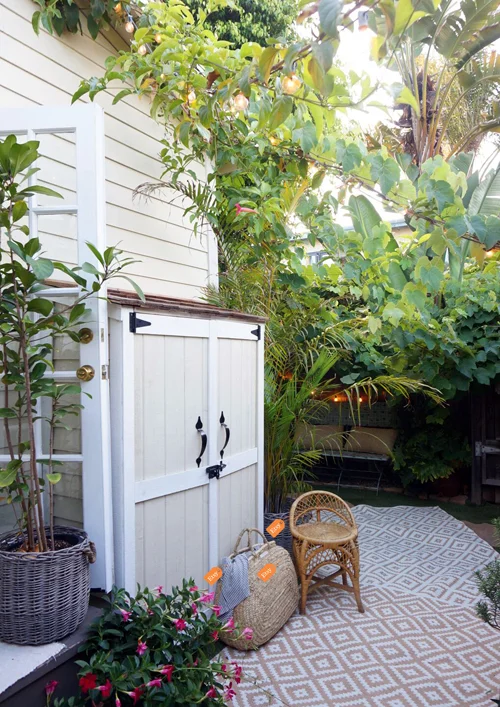


By searching for items via detail and function, I discover creative and unique homewares, clothes, and toys that serve the purposes my family needs, in formats I might not have previously considered. This is one of the traits that makes our lil' home so personal and special to us!